
Sauces & Condiments
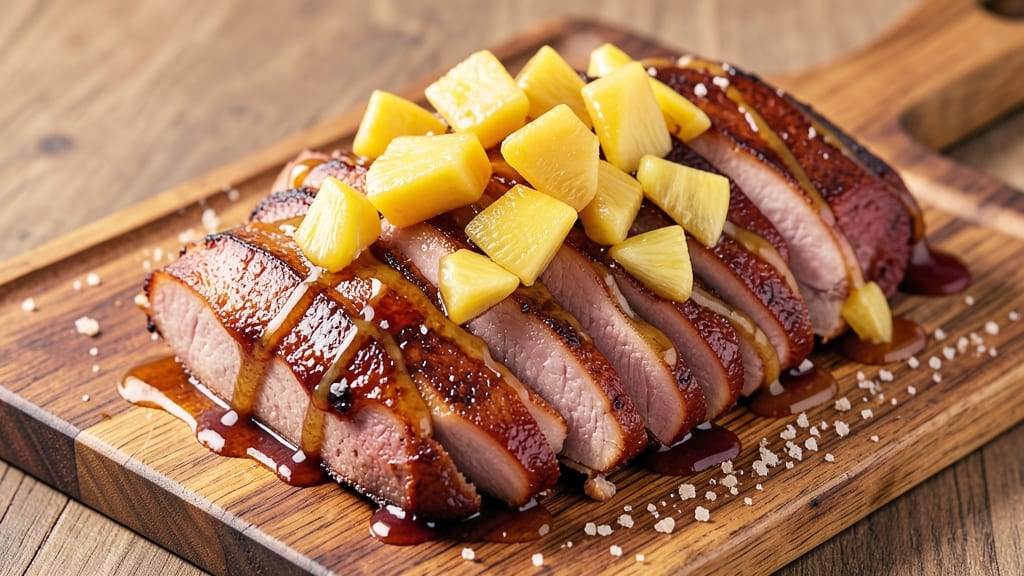
This cooked ham with pineapple glaze recipe transforms ordinary holiday ham into a showstopper with caramelized sweetness that clings to every slice. 🌟 The secret lies in balancing the rich, salty flavor of the ham with the bright acidity of pineapple and the depth of a slow-cooked glaze that develops into a sticky, golden finish.
After years of perfecting this technique—especially during Thanksgiving dinners where ham is the star—I can confidently say this is the one recipe that elevates a classic dish without sacrificing simplicity.
The process begins with a properly cured ham, whether store-bought or homemade, that's roasted until tender and just warm through the center.
While it rests, the pineapple glaze simmers into a thick, aromatic sauce that's equal parts sweet and tangy, thanks to a blend of pineapple juice, brown sugar, and a touch of Dijon mustard for complexity.
The glaze isn't just poured—it's brushed on in layers, allowing each application to caramelize before the next, creating that signature sticky, glossy finish.
What makes this recipe truly special is how the glaze transforms an ordinary ham into something extraordinary. The final product features a deep golden crust with pockets of caramelized sweetness that cut through the richness of the meat, while the pineapple adds a bright, tropical contrast.
Each slice is effortlessly shareable, making it perfect for gatherings where the ham is the centerpiece. The aroma alone—warm spices, caramelized sugar, and pineapple—will have guests gathering long before the meal begins.
Pair this ham with classic sides like scalloped potatoes, roasted Brussels sprouts, or a crisp green salad to balance the richness. The glaze recipe makes enough to coat the ham generously, with leftovers perfect for drizzling over rice or toast.
This isn't just a recipe; it's a celebration of flavor that turns a simple ham into the star of your table. Let's get cooking!
Ingredients for cooked ham with pineapple glaze
Eight ingredients transform a simple ham into a showstopping centerpiece with caramelized sweetness and tropical brightness.
| Ingredient | Amount | Notes |
|---|---|---|
| Pre-Cooked Bone-In Ham 🐷 | 6 lb | Center-cut, fully cooked, skin removed |
| Fresh Pineapple Juice 🍍 | 1 ½ cups | No sugar added, for bright flavor |
| Light Brown Sugar 🍚 | 1 ½ cups | Packed, for deep caramelization |
| Dijon Mustard 🧄 | 2 tbsp | High-quality, for tangy depth |
| Honey 🍯 | ½ cup | Wildflower preferred for complexity |
| Fresh Pineapple Chunks 🍍 | 1 cup | For garnish and flavor boost |
| Fresh Ginger 🌿 | 1 tbsp | Finely grated, aromatic base |
| Garlic Cloves 🧄 | 4 cloves | Minced, for savory balance |
| Apple Cider Vinegar 🍎 | 1 tbsp | For acidity and brightness |
| Unsalted Butter 🧈 | ½ cup | Cold, for basting |
| Ground Cloves 🌶️ | ½ tsp | For warm spice note |
| Ground Cinnamon 🌿 | 1 tsp | For sweet warmth |
| Salt 🧂 | 1 tsp | Kosher preferred for balance |
| Black Pepper 🌶️ | ½ tsp | Freshly cracked for heat |
The ham is the foundation, so choose wisely. A 6-pound bone-in center-cut from Smithfield or Hormel delivers the best balance of flavor and moisture. Look for a ham with visible fat marbling—this ensures juiciness during roasting. If you're using a pre-cooked spiral-cut ham, remove the spiral and score the fat cap in a diamond pattern for even glaze absorption. Fresh pineapple juice is non-negotiable here; canned versions often contain added sugar that disrupts the delicate balance of sweetness. For the brown sugar, Domino brand works perfectly—it's finely ground and packs well for maximum caramelization.
No fresh pineapple juice? Coconut water or extra pineapple chunks blended with water work in a pinch, though the flavor will be slightly less vibrant. Substituting honey for maple syrup (1:1 ratio) maintains sweetness but loses some floral notes. The Dijon mustard is crucial—Grey Poupon adds a refined tang, while generic brands can taste bitter. For a deeper spice profile, swap half the cinnamon for ground allspice. The glaze should coat the back of a spoon when finished; if it's too thin, simmer uncovered for 5-10 minutes to reduce. Fresh ginger can be substituted with 1/2 teaspoon ground ginger, though fresh offers more complexity.
The glaze keeps for 5 days in the fridge, stored in an airtight container with a thin layer of oil on top to preserve freshness. For long-term storage, freeze portions in ice cube trays—perfect for quick basting later. The ham itself reheats beautifully; wrap it in foil and bake at 325°F for 15 minutes to maintain moisture. Leftovers make incredible sandwiches or can be cubed and served on a platter with the reserved glaze drizzled generously. Portion the glaze into small containers for easy reheating—simply warm in the microwave for 20 seconds and brush onto fresh ham slices.
Why You'll Love This Recipe
- No-Fuss Glaze: I swear by this recipe on lazy Sundays—just slice the ham, simmer the pineapple juice with brown sugar and honey until it thickens, then slather it on. The mustard adds that little tangy kick without extra work.
- Sweet-Savory Magic: That caramelized pineapple glaze? It’s like a grown-up dessert sneaking into your main dish. The honey and Dijon mustard cut through the richness of the ham, balancing it into something dangerously addictive.
- Weeknight Hero: Between us, this is my go-to for dinner parties or when I need to feed a crowd with minimal fuss. The leftovers? Even better the next day—crispy edges, sticky glaze, and that bone-in ham stays juicy.
- Budget-Friendly Luxury: You’re using pre-cooked ham, which means no brining or long roasting. A single pineapple lasts for two batches, and the glaze costs pennies. Fancy enough for company, cheap enough for Tuesday nights.
Step-by-step instructions for glazed ham with pineapple caramel
Perfectly balanced sweetness and tang—this method ensures your ham stays juicy while developing that irresistible sticky glaze.
🍳 Step 1: Prepare the Glaze Base
In a medium saucepan over medium heat, combine the 1.5 cups fresh pineapple juice, 1.5 cups light brown sugar, and 0.5 cup honey. Stir until the sugar dissolves completely—this should take about 3-4 minutes. The mixture will begin to bubble gently, creating a fragrant aromatic base.
Here's the thing—you want the sugar to caramelize slightly before adding other ingredients. Watch for tiny bubbles forming around the edges of the pan; that's your signal that the sugar is breaking down. Reduce heat to medium-low to prevent burning while you prepare the remaining components.
👨🍳 Step 2: Build Flavor with Aromatics
Add the 2 tbsp Dijon mustard, 1 tbsp apple cider vinegar, 1 tbsp finely grated fresh ginger, and 4 minced garlic cloves to the saucepan. Stir vigorously for 1-2 minutes until the mixture becomes slightly thickened and the raw garlic aroma transforms into something warm and inviting.
I press down gently on the ginger with a wooden spoon during this stage—this releases its essential oils more effectively. The vinegar will make the glaze brighten, cutting through the sweetness perfectly. Let this mixture simmer uncovered for 5 minutes until it reduces by about 25% and coats the back of a spoon.
🔥 Step 3: Incorporate Spices and Butter
Remove the saucepan from heat and stir in the 0.5 cup cold unsalted butter, 1 tsp ground cinnamon, 0.5 tsp ground cloves, 1 tsp salt, and 0.5 tsp black pepper. The butter will create a velvety texture while the spices deepen the flavor profile. Let the mixture sit for 2 minutes to allow the spices to bloom fully.
This is where the magic happens—the spices need time to infuse properly. You'll notice the cinnamon's warmth and the cloves' subtle earthiness emerge as the butter melts. Return the pan to low heat and stir until the butter is completely incorporated and the glaze reaches a smooth, syrupy consistency.
🥘 Step 4: Glaze the Ham
Transfer the 6 lb pre-cooked bone-in ham to a roasting pan and place it cut-side up. Using a pastry brush, spread about ¼ cup of the glaze evenly over the ham's surface. This initial coating creates a sticky base for the remaining glaze to cling to.
Here's the critical part: cover the ham loosely with foil and bake in a 325°F oven for 45 minutes. The foil traps steam, keeping the ham moist while the initial glaze begins to set. After 45 minutes, remove the foil and brush another ¼ cup of glaze over the ham, focusing on the edges where the glaze tends to pool.
⏰ Step 5: Caramelize and Garnish
Return the ham to the oven uncovered and bake for another 15-20 minutes until the glaze reaches a deep amber color. You'll see it bubbling and forming a glossy crust—this is when the caramelization peaks. The ham's internal temperature should reach 140°F (it was pre-cooked, so this is just for finishing).
Remove the ham from the oven and let it rest for 10 minutes before slicing. During this time, transfer the remaining glaze to a small saucepan and simmer over low heat for 3-4 minutes until it thickens slightly. Garnish the ham with the 1 cup fresh pineapple chunks and drizzle the thickened glaze over the top and around the platter.
Pro Tips For Making Cooked Ham With Pineapple Glaze
- Simmer the Glaze Slow: Start your pineapple glaze on medium-low heat—high heat turns it into syrup fast, and you’ll end up with a sticky mess that burns before it caramelizes. Let it bubble gently for 10-15 minutes, stirring occasionally, until it thickens enough to coat the back of a spoon. (Yes, even if you’re impatient like me.)
- Strain the Pineapple: Fresh pineapple juice is full of pulp that clogs your glaze and makes it grainy. Strain it through a fine-mesh sieve or cheesecloth before using—it takes 30 seconds but makes the glaze silky smooth. I learned this the hard way after serving a glaze that looked like it had sand in it.
- Baste Like You Mean It: Don’t just dump the glaze over the ham—brush it on in thin, even layers while it reheats. The mustard and honey need time to meld into the meat, not pool in the pan. Flip the ham halfway through and baste the other side; it’ll stay juicy and develop that sticky, caramelized crust.
- Add the Mustard Early: Mix the Dijon into the glaze right at the start, not as a last-minute drizzle. The acid and tang need time to soften the ham’s surface and balance the sweetness. If you add it late, you’ll just end up with a glaze that tastes like it was slapped on afterthought. (And trust me, it’s noticeable.)
Pro cooking tips for this dish
Glaze Layering Technique
This is the secret to that signature sticky, glossy finish—applying the glaze in three distinct stages. Start with a thin base coat while the ham is still warm from the oven. The key is patience: let each layer caramelize slightly before adding the next.
I use a high-quality pastry brush (like the OXO Good Grips) to distribute the glaze evenly, focusing on the edges where it tends to pool. 🔥
After the initial foil-covered bake, uncover the ham and brush on the second layer. This is when the magic happens—the residual heat from the ham helps the glaze cling and begin caramelizing. The final uncovered bake is critical for developing that deep amber color and glossy sheen.
If you're worried about burning, reduce the oven temperature to 300°F for the last 10 minutes to ensure even caramelization without overcooking.
Temperature Control
Maintaining a consistent 325°F oven temperature throughout most of the process is essential. I use an infrared thermometer to verify my oven's accuracy—many home ovens run 25°F hotter or colder than set.
The ham's internal temperature should never exceed 140°F during this finishing process, as it was pre-cooked and just needs to warm through.
For the glaze itself, simmering it on the stovetop before applying helps thicken it slightly, ensuring it clings rather than pools. If your glaze becomes too thin during the process, return it to the stove for 2-3 minutes to reduce.
The perfect glaze should coat the back of a spoon with a slight sheen—this consistency ensures it sticks beautifully to every slice. ✨
Ginger Infusion Trick
Fresh ginger is non-negotiable for depth of flavor, but here's my pro tip: zest the ginger first, then finely grate it. This releases more essential oils into the glaze. I press the grated ginger against the saucepan with a wooden spoon for 30 seconds to maximize flavor extraction.
The result? A glaze with bright, zesty notes that cut through the sweetness perfectly.
If you're using ground ginger as a substitute, toast it lightly in a dry pan for 1 minute before adding to the glaze. This deepens its flavor profile significantly.
The ginger also helps balance the richness of the ham, creating a well-rounded flavor experience that keeps guests coming back for seconds.
Resting Period
Never skip the 10-minute rest before slicing—this allows the juices to redistribute throughout the meat, ensuring each slice is moist and flavorful. I place the ham on a wire rack set over a baking sheet to catch any drippings, which I then reduce into a thicker glaze for serving.
This step also gives the glaze time to set slightly, making it easier to slice cleanly.
During this time, I like to transfer the remaining glaze to a small saucepan and warm it gently. This thickens it further and makes it perfect for drizzling over the ham and around the platter.
The contrast of warm glaze over fresh pineapple chunks adds a beautiful visual and textural element to your presentation. 💫
Nutrition facts
Frequently asked questions
Can I use a pre-cooked spiral-cut ham for this recipe?
Yes, but with one important adjustment! Remove the spiral slices first to create a flat surface for the glaze to cling to. Score the fat cap in a diamond pattern before glazing—this helps the pineapple mixture penetrate deeper. For best results, use a 6-pound bone-in center-cut ham as it holds up better to the glazing process.
How do I know when the glaze is ready to apply?
The glaze should coat the back of a spoon with a slight sheen and reduce by about 25% when finished. It should thicken to a syrupy consistency that clings rather than pools. Test by dipping a spoon in—if it leaves a clean trail, it's ready! For extra stickiness, simmer it uncovered for 2-3 minutes to evaporate excess moisture.
What's the best way to reheat leftover glazed ham?
Wrap the ham tightly in foil and reheat in a 325°F oven for 15-20 minutes to maintain moisture. For quick reheating, slice first and warm in a skillet with 1 tablespoon butter over medium heat for 3-4 minutes. To revive the glaze, warm it in a small saucepan over low heat until bubbly, then brush over the ham.
Can I make this glaze ahead of time?
Prepare the glaze up to 3 days ahead and store it in an airtight container in the fridge. To use, simply reheat it in a saucepan over medium heat until warm and syrupy. For long-term storage, freeze portions in ice cube trays—thaw overnight in the fridge before using. The flavors actually deepen when made ahead!
Why did my glaze turn out too thin?
This usually happens if you didn't reduce the glaze enough before applying. The key is simmering uncovered for 5-10 minutes until it thickens to a spoon-coating consistency. If it's too thin during glazing, return it to the stove for 2-3 minutes to reduce. For extra thickness, stir in 1 teaspoon cornstarch mixed with 1 tablespoon water and simmer until clear.