
Sauces & Condiments
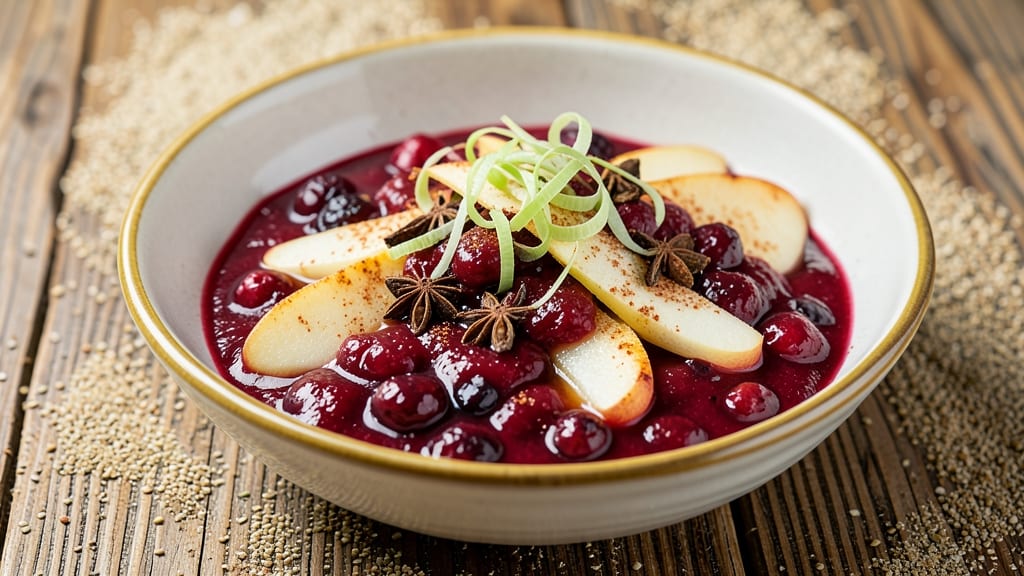
This cranberry apple pear sauce recipe transforms seasonal fruit into a versatile, spiced simmer that elevates everything from holiday roasts to yogurt bowls. The perfect balance of tart cranberries, sweet pears, and crisp apples creates a sauce that's rich enough for savory dishes yet bright enough for desserts.
I developed this recipe after years of testing fruit combinations—this one consistently delivers restaurant-quality results at home.
The secret lies in the slow simmer, which develops deep, caramelized flavors while maintaining that natural fruit brightness. You'll use just five core ingredients—fresh fruit, sugar, cinnamon, and a touch of lemon juice—to create a sauce that's naturally thickened and ready to use.
No fancy equipment needed; a heavy pot and 30 minutes of hands-off time are all it takes.
What makes this sauce truly special is its dual-purpose magic—pairs beautifully with roasted pork or chicken for a festive touch, yet works just as well drizzled over vanilla ice cream or stirred into Greek yogurt.
The spices (cinnamon and a pinch of clove) add warmth without overpowering the fruit's natural sweet-tart profile.
Store it in the fridge for up to two weeks or freeze for months—this sauce becomes even more flavorful as it sits. Whether you're prepping for Thanksgiving or craving a quick weeknight dessert, this recipe delivers restaurant-quality versatility with minimal effort.
Ingredients for cranberry apple pear sauce
Five core ingredients transform seasonal fruit into a restaurant-quality spiced simmer.
| Ingredient | Amount | Notes |
|---|---|---|
| Fresh Cranberries 🍇 | 1 ½ cups | Washed and stems removed |
| Pears 🍐 | 2 medium | Peeled, cored, chopped |
| Apples 🍎 | 2 medium | Peeled, cored, chopped |
| Granulated Sugar 🍚 | ¾ cup | Light brown sugar preferred |
| Ground Cinnamon 🌿 | 1 ½ tsp | Freshly ground preferred |
| Ground Cloves 🌶️ | ¼ tsp | Freshly ground for depth |
| Fresh Lemon Juice 🍋 | 2 tbsp | From 1 small lemon |
| Water 💧 | ½ cup | For simmering consistency |
The fruit selection is critical—Bosc pears and Honeycrisp apples deliver the best texture, but any firm varieties work. Whole Foods or local orchards often have ideal fruit in season. For cranberries, Ocean Spray fresh berries (not dried) work perfectly—they hold their shape during simmering. If using frozen fruit, thaw and drain completely before cooking. The sugar should be light brown for subtle caramel notes, though granulated works in a pinch. For spices, Penzeys or bulk bins offer the freshest ground cinnamon and cloves—pre-ground spices lose potency quickly.
No pears? Substitute an extra cup of apples—just reduce water by 2 tbsp. Using Granny Smith apples adds tartness that balances sweet pears. For sugar alternatives, maple syrup or coconut sugar work at a 1:1 ratio, though texture may vary slightly. The lemon juice is non-negotiable—it brightens the sauce and prevents gumminess. If you're out, white vinegar at half the amount works in a bind. For spice adjustments, cardamom at 1/4 tsp adds complexity, while nutmeg at 1/8 tsp enhances warmth. The water amount can be adjusted based on fruit moisture—simmer until reduced by half.
This sauce thickens beautifully as it cools, so don't over-reduce during simmering. Store in airtight containers in the fridge for up to 2 weeks—flavors deepen overnight. For freezing, portion into ice cube trays for easy single-use servings. Thaw in the fridge overnight. The sauce reheats perfectly—simmer gently for 5 minutes to restore thickness. When using as a glaze, reduce by 10% before applying to meats. For yogurt bowls, chill the sauce first to achieve ideal consistency.
Why You'll Love This Recipe
- No Peel, No Stress: I swear by this—just toss in whole pears and apples with their skins on. The texture’s still silky, and I skip the chopping entirely. My lazy Sundays thank me.
- Sweet-Tart Magic: That first bite? The cranberries’ sharp kick meets the pears’ honeyed softness, all wrapped in cinnamon warmth. It’s the kind of balance that makes you reach for seconds without thinking.
- Holiday Table Star: I make a big batch every Thanksgiving and serve it warm with roasted chicken or dollops on vanilla ice cream. Guests always ask for the recipe—it’s that good, and it’s my go-to for gatherings.
- Budget-Friendly Pantry Hero: Fresh cranberries and pears are often on sale in winter, and this sauce stretches across meals. A jar in the fridge means I’m never scrambling for dessert or breakfast toppings.
Step-by-step instructions for cranberry apple pear sauce
Transform fresh fruit into a fragrant, versatile sauce with perfect balance and depth.
Prepare the Fruit Base
In a large saucepan, combine the 1.5 cups fresh cranberries, 2 medium pears, and 2 medium apples. I use a sharp knife to chop the fruit into ¼-inch pieces—this ensures even cooking and prevents large chunks from remaining undercooked. The cranberries should be whole but stems removed, while the pears and apples need to be peeled, cored, and uniformly chopped.
Stir the fruit gently to distribute it evenly across the bottom of the pan. This creates a better surface area for caramelization later. If using tart apples, you'll notice the cranberries brighten their color immediately—this is your first flavor marriage happening right before your eyes.
Add Sweetener and Spices
Pour in the 0.75 cup granulated sugar, 1.5 teaspoons ground cinnamon, and 0.25 teaspoon ground cloves. I prefer light brown sugar here for its subtle molasses notes that complement the fruit's acidity. Stir vigorously with a wooden spoon to ensure every fruit piece is coated in the spice mixture—this guarantees even flavor distribution throughout the sauce.
The spices should dissolve quickly into the fruit's natural juices. You'll see the mixture darken slightly as the spices bloom, releasing their aromatic compounds. This is where the sauce's complex character begins to develop—don't rush this step. Let the spices infuse for 1 minute before proceeding.
Simmer Until Soft and Fragrant
Add the 0.5 cup water and 2 tablespoons fresh lemon juice, then bring the mixture to a boil over medium-high heat. Once boiling, reduce heat to medium-low and let it simmer uncovered for 25-30 minutes. You're looking for the fruit to break down completely until it reaches a thick, jam-like consistency—the sauce should coat the back of a spoon smoothly.
Stir occasionally, especially during the first 10 minutes, to prevent sticking. The cranberries will burst open, releasing their tart juices, while the pears and apples soften into a velvety texture. The lemon juice prevents the sugar from crystallizing and adds a bright contrast to the warm spices. You'll know it's ready when the mixture smells intensely of cinnamon and cloves with just a hint of citrus.
Finish and Strain for Smooth Texture
Once the fruit is completely tender, transfer the mixture to a fine-mesh strainer set over a heatproof bowl. Press gently but firmly with a wooden spoon to extract all the juices and pulped fruit. I find this step crucial for achieving that silky, professional texture—especially if you plan to use the sauce as a glaze or sauce rather than a chunky compote.
The strained sauce should yield about 2 cups of vibrant, ruby-red liquid with a thick, syrupy consistency. If it's too thick for your liking, you can thin it slightly with a splash of water or apple juice. Taste and adjust seasoning—you might need a pinch more cinnamon or a splash of lemon juice to balance the sweetness and acidity perfectly.
Cool and Store Properly
Let the sauce cool to room temperature, stirring occasionally to prevent a skin from forming. For best results, transfer it to an airtight container and refrigerate. This sauce keeps well for up to 2 weeks in the fridge, making it perfect for meal prep. The flavors actually deepen as it sits, developing even more complexity.
When ready to use, reheat gently in a saucepan over low heat, stirring frequently to prevent scorching. This versatile sauce pairs beautifully with roasted meats, yogurt parfaits, or even as a glaze for baked goods. The perfect balance of sweet, tart, and spice makes it a pantry staple worth making in batches.
Pro Tips For Making Cranberry Apple Pear Sauce
- COOK CRANBERRIES FIRST: Skip tossing them in raw—they’ll just sink and burn. Simmer them alone with 1/4 cup water for 5 minutes until they burst and soften. This jumpstarts the flavor and prevents a watery, undercooked sauce later.
- PEEL PEARS, NOT APPLES: Pears have tougher skins that turn bitter when cooked. Apple peels add texture but can make the sauce grainy. Save time and skip peeling apples if you’re in a hurry, but peel pears every time—no excuses.
- STIR CONSTANTLY AFTER 10 MINUTES: This sauce has a habit of sticking like glue once the sugar caramelizes. After the initial simmer, keep a wooden spoon moving—especially around the edges. A few seconds of inattention means scraping a burned mess off the pot.
- USE BROWN SUGAR LAST: I was skeptical until I tried it: swap the last 1/4 cup of granulated sugar for light brown sugar in the final 2 minutes. The molasses deepens the cranberry’s tartness and adds a subtle caramel note without extra effort. (Yes, even if you’re impatient like me.)
Pro cooking tips for this recipe
Spice Bloom Technique
Before adding liquid, let the spices bloom for 1-2 minutes over low heat. This step unlocks their full aromatic potential—ground cinnamon and cloves release their essential oils, creating that warm, cozy spice aroma that defines this sauce.
I always use a heavy-bottomed saucepan (like my All-Clad Stainless Steel pot) to prevent scorching during this critical phase. This technique ensures every spoonful delivers that complex, layered spice profile. 🌿
Even Fruit Chopping
Uniform ¼-inch fruit pieces are key for even cooking—large chunks stay undercooked while small pieces turn mushy. I use a sharp chef's knife (my Wüsthof Ikon is perfect) and cut the pears and apples into similar-sized pieces.
For cranberries, leave them whole but remove stems to prevent bitterness. This consistency ensures the sauce thickens evenly and develops uniform texture throughout. 🍎
Simmer Control
Maintain a gentle medium-low simmer (small bubbles occasionally breaking the surface) to prevent scorching. I keep the heat at about 300°F on my gas stove. Too high heat causes sugar to caramelize too quickly, creating bitter notes.
Stir every 5 minutes during the first 20 minutes to distribute heat evenly and prevent sticking. The sauce should reduce by about 50% by the end. ⏰
Straining Secrets
For ultra-smooth sauce, press the strained fruit pulp with a wooden spoon through the mesh strainer. This extracts maximum juice without adding fiber. I use a fine-mesh tamis strainer (like the OXO Good Grips model) for professional results.
If you prefer some texture, strain only half the mixture and leave the rest chunky. The strained sauce should yield about 2 cups of vibrant, ruby-red liquid with perfect consistency. 💫
Flavor Balancing
Taste and adjust the final sauce using these ratios: 1:1 sugar-to-acid balance is ideal. If too sweet, add 1 tsp lemon juice per cup. Too tart? Add ½ tsp sugar or a pinch of cinnamon.
For depth, I sometimes add ½ tsp vanilla extract—it enhances the fruit's natural sweetness while complementing the spices. Always taste at room temperature for accurate flavor perception. ✨
Storage Hacks
For long-term storage, portion the sauce into ice cube trays before freezing. This makes it perfect for single-use applications like glaze drizzles. Label with the date—it keeps for 3 months in the freezer. When reheating, add 1 tbsp water per cup of frozen sauce to restore thickness.
The sauce thickens as it cools, so adjust consistency before serving by thinning with a splash of water if needed. ❄️
Nutrition facts
Frequently asked questions
Can I use frozen fruit instead of fresh?
Yes, but thaw and drain frozen fruit completely first. Frozen cranberries work perfectly, while frozen pears and apples may release excess water during cooking. Reduce the water in the recipe by 2 tablespoons if using frozen fruit to prevent a watery sauce. The texture will be slightly softer but still delicious.
How do I adjust the sweetness level?
The sugar amount can be reduced by ¼ cup for a less sweet version, or increased by ¼ cup for a richer taste. For a sugar-free option, use 1 cup unsweetened applesauce instead of sugar, but reduce the water by ¼ cup since applesauce adds moisture. Always taste before serving.
What's the best way to use this sauce?
This versatile sauce works beautifully as a glaze for roasted meats like pork or chicken, a topping for yogurt or oatmeal, or a filling for tarts and pastries. It also pairs well with cheese boards, as a drizzle over vanilla ice cream, or even mixed into cocktails for a fruity twist. The warm spices make it perfect for holiday meals.
Why did my sauce turn out too thin?
If your sauce is too thin, simmer it uncovered for an additional 10-15 minutes to reduce further. For immediate thickening, mix 1 teaspoon cornstarch with 1 tablespoon water, stir into the sauce, and simmer for 2-3 minutes until it reaches your desired consistency. Always taste and adjust as needed.
Can I make this sauce without a strainer?
Yes! If you don't have a strainer, blend the cooked fruit mixture until smooth. For a slightly textured sauce, simply mash the fruit with a potato masher or fork. The flavor will be just as delicious, though the texture will be slightly chunkier. This method works especially well for serving over desserts or meats.