
Main Courses
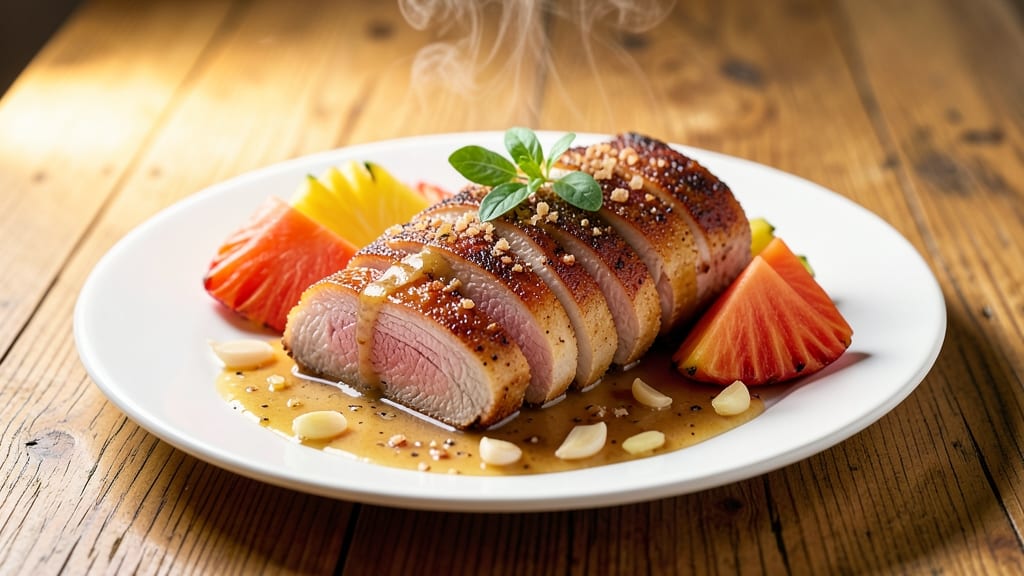
This crockpot pineapple pork loin recipe delivers restaurant-quality tenderness with a caramelized glaze that balances sweet and tangy flavors perfectly. 🔥 I developed this method after years of perfecting pork in slow cookers—where the magic happens is in the glaze reduction and proper pork selection.
The key? Using a bone-in pork loin (about 3-4 pounds) for maximum juiciness, then letting the pineapple's natural enzymes tenderize it over 6 hours on low.
What makes this recipe stand out is the two-stage glaze technique—first simmering pineapple juice with brown sugar and soy sauce, then finishing with a quick caramelization on the stovetop. This creates a sticky, glossy coating that clings to every bite while keeping the pork moist.
The slow cooker does all the work, so you can focus on prep and plating. By the end, you'll have fall-apart tender pork with a glossy, caramelized crust that's sweet, tangy, and slightly smoky from the slow cook.
The glaze should be thick enough to coat a spoon but still glossy—this is what makes it restaurant-worthy. Serve with jasmine rice and a simple pineapple salsa to cut through the richness. The best part? This recipe scales beautifully for gatherings—just double the glaze ingredients.
Leftovers reheat wonderfully, making it perfect for meal prep. Let's get started with the full method!
Ingredients for crockpot pineapple pork loin
Restaurant-quality tenderness starts with these 15 carefully chosen ingredients—bone-in pork for juiciness and pineapple for natural tenderization.
| Ingredient | Amount | Notes |
|---|---|---|
| Bone-In Pork Loin 🐖 | 3 lb | Center-cut, 1-inch thick |
| Fresh Pineapple 🍍 | 1 whole | Juiced for glaze, reserve pulp |
| Light Brown Sugar 🍚 | ½ cup | Packed, for caramelization |
| Soy Sauce 🍜 | ¼ cup | Low-sodium preferred |
| Fresh Garlic Cloves 🧄 | 6 cloves | Minced for glaze |
| Fresh Ginger 🌿 | 1 tbsp | Grated, for aromatic depth |
| Honey 🍯 | 2 tbsp | Wildflower preferred |
| Apple Cider Vinegar 🍎 | 1 tbsp | For tangy balance |
| Jasmine Rice 🍚 | 1 cup | Uncooked, for serving |
| Fresh Cilantro 🌿 | ¼ cup | Chopped, for garnish |
| Red Bell Pepper 🌶️ | 1 whole | Diced, for pineapple salsa |
| Red Onion 🧅 | ½ whole | Diced, for pineapple salsa |
| Olive Oil 🫒 | 1 tbsp | Extra-virgin, for salsa |
| Salt 🧂 | 1 ½ tsp | Diamond Crystal preferred |
| Black Pepper 🌶️ | ½ tsp | Freshly ground |
The bone-in pork loin is non-negotiable—it stays moist longer and adds depth of flavor. Whole Foods or your local butcher carry the best cuts, but any grocery store with a meat counter will have suitable options. Look for a center-cut loin with good marbling, about 1-inch thick. If you can't find bone-in, use a pork tenderloin instead, but increase cooking time by 30 minutes. The pineapple should be fully ripe with vibrant yellow flesh—green spots mean underripe fruit, which won't juice properly. For the glaze, freshly juiced pineapple (not canned) delivers the best balance of sweetness and acidity, though a pinch of bottled pineapple juice works in a pinch if you're short on time.
No soy sauce? Coconut aminos make an excellent 1:1 substitute, though the flavor profile will be slightly different. The ginger can be swapped for ground ginger at half the amount, but fresh is ideal for that bright, zesty kick. If you're avoiding honey, maple syrup works beautifully—just reduce the glaze by 2 minutes to account for its higher water content. For the pineapple salsa, feel free to add diced jalapeño for heat or fresh mint for a refreshing twist. The jasmine rice is traditional, but brown rice or quinoa work equally well if you prefer a nuttier texture. Always taste the glaze before caramelizing—adjust sweetness with additional honey or tang with more vinegar as needed.
Pork can be refrigerated for up to 3 days before cooking, though it's best used within 24 hours for peak tenderness. The pineapple juice and glaze components keep in the fridge for 5 days—store them separately in airtight containers. For meal prep, cook the pork and glaze ahead, then reheat gently in the slow cooker on low for 2-3 hours or until warmed through. The pineapple salsa stays fresh for 3 days in the fridge, though it's best served within 24 hours for optimal texture. Freeze the cooked pork in single portions for up to 3 months—just thaw overnight in the fridge before reheating.
Why You'll Love This Recipe
- Dump-and-Go Magic: Honestly, I just toss everything in—pork, pineapple chunks, brown sugar, soy sauce, and crushed garlic—then walk away. No chopping, no stirring, no stress. The crockpot does all the work while I sip my coffee like a lazy Sunday hero.
- Sweet-Savory Balance: That caramelized brown sugar and pineapple combo? It’s like a hug for your taste buds. The garlic keeps it sharp, the soy sauce adds depth, and the pork stays juicy with just the right crispness. (Yes, even on a Tuesday night.)
- Leftovers That Don’t Suck: Between us, this recipe makes way more than I need for dinner. The next day, I reheat slices in a pan with a splash of pineapple juice—suddenly, it’s "gourmet" again. My freezer’s full of these, and no one complains.
- Budget-Friendly Crowd-Pleaser: A bone-in pork loin stretches further than you’d think, and pineapple’s cheap when it’s in season. Feed four people for less than takeout, and they’ll beg for seconds. (My daughter picks out the best pieces first, but still asks for more.)
Step-by-step instructions for sweet-tart crockpot pork loin
This method delivers melt-in-your-mouth pork with a caramelized glaze that's sticky, sweet, and perfectly balanced with tangy brightness.
🍳 Step 1: Prepare the Pineapple Glaze Base
Begin by cutting the whole fresh pineapple in half and removing the core. Place the pineapple halves cut-side down in a blender or food processor. Pulse until you have about 1 cup of pineapple juice—you'll need less than the whole amount, so reserve the pulp for another use if needed. Strain through a fine-mesh sieve to remove any fibrous bits.
In a medium bowl, whisk together the pineapple juice, 0.5 cup light brown sugar, 0.25 cup soy sauce, 2 tbsp honey, 1 tbsp apple cider vinegar, 6 minced fresh garlic cloves, and 1 tbsp grated fresh ginger. This combination creates the perfect balance of sweet, salty, and tangy flavors that will caramelize beautifully during cooking. The brown sugar's molasses content is key for that deep, glossy glaze.
👨🍳 Step 2: Sear the Pork Loin for Depth of Flavor
While the glaze mixture sits, heat a large skillet over medium-high heat until hot. Pat the 3 lb bone-in pork loin dry with paper towels—this step is non-negotiable for crispy edges. Season both sides generously with 1.5 tsp salt and 0.5 tsp black pepper, pressing the seasoning into the meat.
Add the pork to the skillet and sear for 4-5 minutes per side until it develops a deep golden-brown crust. The edges should look slightly charred in spots—that's where all the flavor develops. Transfer the seared pork to your crockpot and pour the pineapple glaze mixture directly over it, making sure it coats all surfaces.
🔥 Step 3: Cook Low and Slow for Tender Perfection
Place the crockpot on LOW heat and cook for 6-7 hours. This long, slow cook time ensures the pork becomes fork-tender while allowing the glaze to gradually reduce and caramelize. The pork is done when it reaches an internal temperature of 195-200°F at its thickest point—use a meat thermometer for accuracy.
Here's the thing—don't peek or stir during cooking. Every time you open the lid, you lose heat and moisture. The glaze will bubble and thicken naturally as it cooks, creating that perfect sticky-sweet coating. If you notice the liquid level drops significantly before the cooking time is up, you can add 2-3 tablespoons of water to prevent the pork from drying out.
🥘 Step 4: Prepare the Pineapple Salsa
While the pork cooks, prepare the pineapple salsa by dicing the whole red bell pepper and 0.5 whole red onion into small, even pieces. In a medium bowl, combine these with the reserved pineapple pulp (about 1 cup), 0.25 cup chopped fresh cilantro, and 1 tbsp extra-virgin olive oil. Mix gently to combine—you want the flavors to meld but still see distinct pieces.
Taste and adjust seasoning if needed. I usually add a pinch more salt since the pineapple is naturally sweet. Cover and refrigerate until ready to serve. This bright, fresh salsa cuts through the richness of the pork beautifully and adds a vibrant contrast to each bite.
⏰ Step 5: Rest and Serve with Jasmine Rice
Once the pork reaches the proper temperature, transfer it to a cutting board and let it rest for 10-15 minutes before slicing. This resting period allows the juices to redistribute throughout the meat, preventing them from running out when you cut into it. The glaze will thicken even more during this time, becoming more concentrated and caramelized.
While the pork rests, cook the 1 cup jasmine rice according to package instructions—usually a 1:2 ratio of rice to water, simmered for 15-18 minutes. Fluff with a fork before serving. To plate, slice the pork against the grain into ½-inch thick pieces and arrange over the rice. Spoon generous amounts of the caramelized glaze over the top and serve with the pineapple salsa on the side.
Pro Tips For Making Crockpot Pineapple Pork Loin
- SEAR THE LOIN FIRST: I learned this the hard way—skipping the sear means flavor hiding in the sauce instead of clinging to the meat. Hit the pork loin with a quick 3-minute pan sear on high heat before dumping it in the crockpot. The crust locks in juices and adds depth that slow cooking alone can’t match.
- USE FROZEN PINEAPPLE CHUNKS: Fresh pineapple works, but frozen chunks save time and avoid the mess of cutting. Just thaw them first—no need to drain—and toss them in the crockpot whole. The texture softens perfectly during cooking, and you skip the sticky juice cleanup.
- DON’T OVERLOAD THE SAUCE: Too much liquid dilutes the flavors, and this recipe isn’t a soup. Keep the brown sugar, soy sauce, and pineapple juice to about ½ cup total—enough to coat the bottom but not drown the pork. If the crockpot’s too wet, let it reduce uncovered for 10 minutes at the end.
- SMASH THE GARLIC: Whole garlic cloves stay stubbornly firm and underseasoned. Crush or mince them before adding to the crockpot—this releases their oils and ensures every bite gets that punchy, aromatic kick. (Yes, even if you’re impatient like me.)
Dietary considerations for this recipe
Gluten-Free Adaptations
This recipe is naturally gluten-free, but there are a few key adjustments to ensure every element stays safe for gluten-sensitive diets. First, swap the soy sauce for tamari or coconut aminos—both are gluten-free alternatives that maintain the same umami depth.
I use San-J brand tamari because it has a richer flavor profile. 🌱
For the pineapple salsa, verify that your extra-virgin olive oil and jasmine rice are certified gluten-free. Some brands process rice in facilities that handle gluten-containing grains, so check the packaging.
If you're concerned, opt for certified gluten-free rice like Lundberg Family Farms or Jasmine rice from Trader Joe's, which is typically safe.
Dairy-Free Considerations
This dish requires no dairy modifications since the recipe doesn't include cheese, butter, or cream. However, if you're serving this alongside dairy-based sides (like garlic bread or mashed potatoes), keep those separate.
The pineapple glaze and salsa are both naturally dairy-free, so you can enjoy this recipe worry-free in that regard. 🥗
Low-Carb Options
To make this a low-carb version, replace the jasmine rice with cauliflower rice—it absorbs the glaze beautifully and adds a subtle sweetness. I recommend using fresh cauliflower and riced it yourself for the best texture, or grab pre-riced from Trader Joe's for convenience. 🥬
For extra flavor, stir in 1 tbsp grated Parmesan cheese (optional) and 1 tsp garlic powder to the cauliflower rice while cooking. The pork and glaze will still be the star, but this adds a satisfying texture contrast without the carb load.
Allergen-Friendly Swaps
If you're avoiding pineapple, use mango purée or apple juice as a substitute in the glaze—both work well for sweetness and acidity. For the salsa, swap pineapple pulp for diced mango or peach to keep the tropical vibe.
Always check labels on honey and vinegar for potential cross-contamination with common allergens like soy or nuts. 🍍
For nut allergies, ensure your olive oil is processed in a nut-free facility—brands like California Olive Ranch are typically safe. If you're also avoiding soy, double-check that your tamari is 100% gluten-free and soy-free, as some brands add soy during processing.
Nutrition facts
Frequently asked questions
Can I use pork tenderloin instead of pork loin?
Yes, but with adjustments! Pork tenderloin is leaner, so increase cooking time to 7-8 hours on low to prevent drying. For extra moisture, add ¼ cup chicken broth to the glaze mixture. The tenderloin will be more delicate but equally flavorful—just slice thinner (¼-inch) to maintain texture.
What if my glaze isn't caramelizing properly?
This usually happens if the liquid level is too high. After 4 hours of cooking, carefully remove the pork and reduce the glaze on the stovetop over medium-high heat for 5-7 minutes—stirring constantly—until thick and syrupy. Return the pork to the crockpot and finish cooking. For extra depth, add 1 tbsp balsamic vinegar at the end for a tangy finish.
Can I make this in an Instant Pot instead?
Sear the pork as directed, then add the glaze mixture and cook on high pressure for 45 minutes followed by a 10-minute natural release. Finish with a 5-minute quick release to thicken the glaze. The pressure cooker creates a deeper caramelization in half the time—just reduce the final glaze on the stovetop if needed.
How do I store leftovers?
Store the pork and glaze in an airtight container for up to 4 days in the fridge. Reheat on low in the crockpot for 2-3 hours with 2 tbsp water to restore moisture. For freezing, wrap individual portions tightly and freeze for up to 3 months. Thaw overnight in the fridge before reheating—never microwave from frozen.
What's the best way to serve this for a crowd?
Double the recipe and use a 6-quart crockpot for the pork. Prepare the pineapple salsa in batches (it keeps well for 3 days). Serve with steamed jasmine rice or garlic mashed potatoes for heartier portions. For a festive touch, garnish with toasted coconut flakes and extra cilantro.