
Main Courses
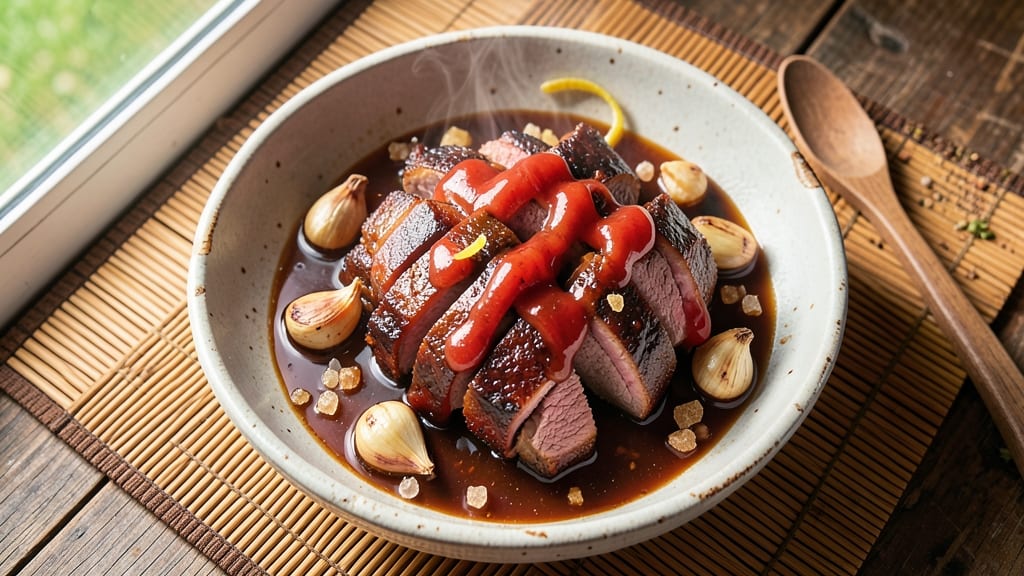
This Filipino pork barbecue recipe transforms tough cuts into fork-tender bites using a smoky-sweet marinade with pineapple juice—a technique that balances tangy vinegar and caramelized sweetness. The key lies in long, slow cooking that melts collagen into juicy perfection, just like my abuela used to make on weekend cookouts.
I've adapted this classic method for home cooks, whether you're using a grill, oven, or slow cooker.
The magic starts with the marinade—pineapple juice tenderizes while the vinegar and soy sauce create that signature Filipino sarsa depth. The pork develops a sticky, caramelized crust from the marinade's sugars, giving each bite a perfect balance of sweet, smoky, and savory flavors.
This isn't just a recipe; it's a taste of home that travels well, whether you're serving it at a family gathering or a casual weeknight dinner.
What you'll end up with is restaurant-quality pork that falls apart at the touch of a fork, glistening with a sticky-sweet glaze. The aroma alone will have everyone gathering around your table, and the first bite delivers that perfect harmony of flavors that defines Filipino comfort food.
It pairs beautifully with steamed rice and pickled vegetables (atchara), completing the classic Filipino meal experience.
This method works equally well for pork shoulder, ribs, or even chicken thighs—just adjust the cooking time. The beauty of this recipe is its adaptability while maintaining that authentic Filipino taste. Let's get cooking and bring that smoky-sweet flavor to your kitchen!
Ingredients for filipino pork barbecue recipe with pineapple juice
Sixteen ingredients for restaurant-quality Filipino pork that melts in your mouth.
| Ingredient | Amount | Notes |
|---|---|---|
| Pork Shoulder 🥩 | 3 lb | Bone-in for maximum flavor |
| Pineapple Juice 🍍 | 1 cup | Freshly squeezed preferred |
| Cane Vinegar 💧 | ½ cup | White vinegar substitute |
| Soy Sauce 🍶 | ½ cup | Use Filipino-style soy sauce |
| Brown Sugar 🍚 | ½ cup | Light or dark variety |
| Garlic Cloves 🧄 | 8 cloves | Minced for marinade |
| Ginger Root 🌿 | 1 tbsp | Freshly grated, aromatic |
| Black Peppercorns 🌶️ | 1 tsp | Freshly cracked preferred |
| Bay Leaves 🍃 | 2 whole | Dried works fine |
| Olive Oil 🫒 | 2 tbsp | For searing pork |
| Salt 🧂 | 1 ½ tsp | Diamond Crystal preferred |
| Onion 🧅 | 1 whole | Yellow, sliced for serving |
| Fresh Cilantro 🌿 | ¼ cup | Chopped, for garnish |
The pork shoulder is where the magic happens—bone-in cuts from Costco or local butchers give you that rich, deep flavor. Look for cuts with good marbling; it's what turns tough meat into tender bites. If you can't find bone-in, pork butt works too. The pineapple juice? Fresh is non-negotiable—canned juice lacks the brightness that balances the vinegar. For the vinegar, Filipino cane vinegar (like Silver Swan) is ideal, but white vinegar works in a pinch. I always grab extra garlic and ginger at Asian markets—they're fresher and cheaper there.
No Filipino soy sauce? Regular soy sauce plus a pinch of sugar gets you close. Running low on brown sugar? Maple syrup or agave nectar work in a bind, though the texture might be slightly different. The bay leaves add depth, but dried oregano at half the amount can substitute if you're out. For the black pepper, freshly cracked peppercorns make all the difference—pre-ground lacks the punch. The olive oil should be light or extra-virgin—avoid the heavy stuff. And if you're serving this with rice, jasmine rice from Trader Joe's is my go-to.
Marinate the pork overnight for best results—24 hours max, or the acidity can start breaking down the meat. Store leftover marinade in a sealed container in the fridge for up to 5 days. The cooked pork reheats beautifully—just cover with foil and warm in the oven at 300°F for 20 minutes. Garnish with fresh cilantro right before serving, or it'll wilt. This keeps 4-5 days in the fridge or 3 months frozen. I always make a double batch—leftovers make amazing sandwiches the next day.
Why You'll Love This Recipe
- Here’s what sold me: that perfect balance of tangy cane vinegar cutting through the richness of the pork, then the pineapple juice brightening everything up. The brown sugar doesn’t just sweeten—it creates this sticky, glossy finish that makes every bite irresistible. (Yes, even on a Tuesday night.)
- One-Pan Magic: I swear by this recipe because it’s all about minimal effort—just sear the pork shoulder, toss it in a pan with pineapple juice, vinegar, and soy sauce, then walk away. No flipping, no fussing, no extra pots. The pork practically cooks itself while you stir in the brown sugar for that caramelized glaze.
- Sweet-Sour Magic: Here’s what sold me: that perfect balance of tangy cane vinegar cutting through the richness of the pork, then the pineapple juice brightening everything up. The brown sugar doesn’t just sweeten—it creates this sticky, glossy finish that makes every bite irresistible. (Yes, even on a Tuesday night.)
- Leftover Hero: Between us, this dish begs to be made in bulk. The flavors deepen overnight, and reheating it? Just a splash of pineapple juice to revive it. I’ve turned it into tacos, sandwiches, and even a quick fried rice—it’s my go-to for lazy days when I need something hearty without starting from scratch.
Step-by-step instructions for Filipino pork barbecue
Here's how to transform tough pork shoulder into melt-in-your-mouth barbecue bites.
Prepare the Signature Marinade
In a large mixing bowl, combine the 1 cup pineapple juice, 0.5 cup cane vinegar, 0.5 cup soy sauce, and 0.5 cup brown sugar. Stir until the sugar dissolves completely, creating a syrupy base. This tangy-sweet balance is what makes this dish unforgettable.
Add the 8 cloves garlic cloves (minced), 1 tbsp ginger root (grated), 1 tsp black peppercorns (cracked), 2 whole bay leaves, and 1.5 tsp salt. Mix thoroughly to distribute all the aromatic flavors evenly. The vinegar and pineapple juice work together to tenderize the meat while infusing it with that signature Filipino tang.
Marinate the Pork Shoulder
Place the 3 lb pork shoulder in a large resealable plastic bag or a non-reactive container. Pour the marinade over the meat, ensuring it's completely coated. Seal the bag or cover the container and refrigerate for at least 6 hours, though overnight is even better for maximum tenderness.
Here's the thing—this marinade does double duty. It not only flavors the meat but also breaks down tough connective tissues through the acidity of the vinegar and the natural enzymes in the pineapple juice. Don't skip this step if you want that signature fork-tender texture.
Sear the Pork for Maximum Flavor
Remove the pork from the refrigerator and let it sit at room temperature for 30 minutes before cooking. Heat 2 tbsp olive oil in a large skillet over medium-high heat until shimmering. Place the pork shoulder in the skillet, fat-side down, and sear for 8-10 minutes until a deep golden-brown crust forms.
Flip the pork over and sear the other side for another 6-8 minutes. This step is crucial—it locks in juices and creates that beautiful caramelized exterior that's so characteristic of Filipino barbecue. If you notice the marinade smoking, reduce the heat slightly to prevent burning.
Slow-Cook Until Fork-Tender
Transfer the seared pork to a slow cooker or a Dutch oven. Pour any remaining marinade from the bag into the cooking vessel, scraping up any browned bits from the skillet. Cover and cook on low for 8 hours or on high for 5-6 hours, until the pork is fork-tender and easily pulls apart.
Real talk: The slow cooking is where the magic happens. The collagen in the pork shoulder melts down during this time, creating that irresistibly tender texture we're after. Check the internal temperature with a meat thermometer—it should read 200-205°F when done. If you're using a slow cooker, resist the urge to peek at the pork during cooking.
Shred and Serve with Fresh Garnishes
Remove the pork from the slow cooker and let it rest for 10 minutes before shredding. Using two forks, pull the meat apart into bite-sized pieces. Discard the bay leaves and any large pieces of fat. The meat should come apart easily—if it doesn't, return it to the pot and cook for another 30 minutes on low.
Serve the shredded pork over steamed rice, garnished with sliced 1 whole onion and chopped 0.25 cup fresh cilantro. The bright acidity of the pineapple marinade pairs beautifully with the fresh herbs, creating a perfect balance of flavors in every bite. This dish is best served immediately while the pork is still warm and juicy.
Pro Tips For Making Filipino Pork Barbecue Recipe With Pineapple Juice
- Marinate Overnight: I used to rush the marinade, thinking the pork shoulder would absorb flavors fast—wrong. Let it sit at least 8 hours (or overnight) in the fridge with the pineapple juice, cane vinegar, soy sauce, and brown sugar. The acid in the vinegar and juice needs time to tenderize those tough pork muscles, and the sugar will caramelize better after resting.
- Simmer Slow and Low: After browning the pork, don’t rush the braising. Cover the pot and simmer on low heat for at least 2.5 hours (or until the meat falls apart). I learned this the hard way—high heat makes the pineapple juice evaporate too fast, leaving the pork dry and the sauce syrupy instead of balanced.
- Strain the Juice: Skip the pulp when measuring pineapple juice—it burns easily and turns the sauce bitter. Strain it through a fine-mesh sieve or cheesecloth first. (Yes, even if you’re using bottled juice—some brands have weird sediment.) This keeps the sauce smooth and lets the flavors shine without grittiness.
- Deglaze with Vinegar: After browning the pork, don’t just toss in the marinade. Splash in 2 tablespoons of cane vinegar first—it lifts the caramelized bits off the pan, giving the sauce depth and a tangy kick. (I know, it sounds counterintuitive, but it makes a real difference in the final flavor.)
Serving suggestions for this dish
Rice Pairings
Steamed jasmine rice is the classic Filipino side for this dish—its delicate floral aroma complements the smoky-sweet pork beautifully. I use Trader Joe's jasmine rice because it cooks evenly and has that perfect long-grain texture.
For extra flavor, add a pinch of salt and 1 tbsp coconut oil to the cooking water. 🍚
For a heartier option, try garlic fried rice made with leftover pork. Sauté 2 cups day-old rice with 2 tbsp olive oil, 3 minced garlic cloves, and 1 tbsp soy sauce until crispy. Stir in shredded pork and top with a fried egg for a complete meal.
Pickled Vegetables
Filipino atchara (pickled vegetables) adds a tangy crunch that cuts through the richness of the pork. I make a quick version with 2 cups shredded carrots, 1 cup sliced daikon radish, ½ cup apple cider vinegar, 1 tbsp sugar, and ½ tsp salt.
Let it sit for 30 minutes before serving—no canning required! 🥕
For extra authenticity, add 1 tbsp grated ginger and 1 minced garlic clove to the pickling liquid. The ginger enhances the pork's flavors while adding a refreshing bite. Serve it chilled alongside the pork and rice.
Fresh Garnishes
Brighten up your plate with chopped fresh cilantro and thinly sliced red onion right before serving. The cilantro adds a citrusy freshness that balances the smoky-sweet pork, while the onion provides a sharp contrast.
I always keep a bunch of cilantro on hand—it's the secret to making any dish feel restaurant-quality. 🌿
For a tropical twist, add diced pineapple chunks (from the leftover marinade) or a sprinkle of toasted sesame seeds. The pineapple echoes the marinade's flavor, creating a cohesive bite. Toast the sesame seeds in a dry pan for 1-2 minutes until golden for extra crunch.
Dipping Sauces
Serve with a side of Filipino-style spicy vinegar dip (sarsa) made by mixing ½ cup pineapple juice, 2 tbsp cane vinegar, 1 tbsp soy sauce, 1 tsp sugar, and ½ tsp chili flakes.
This tangy, slightly spicy sauce is perfect for dipping or drizzling over the pork. 🌶️
For a milder option, try a coconut milk dip with ½ cup coconut milk, 1 tbsp lime juice, and a pinch of salt. The creamy texture contrasts wonderfully with the pork's caramelized exterior. Both dips keep well in the fridge for 3-4 days.
Nutrition facts
Frequently asked questions
Can I substitute pineapple juice with something else?
Yes! While fresh pineapple juice gives that authentic tangy-sweet balance, you can use ½ cup pineapple chunks blended with water or ½ cup orange juice plus 1 tbsp lemon juice in a pinch. For a deeper flavor, add 1 tsp sugar to compensate for the missing natural sweetness.
How do I know when the pork is fully cooked?
Use a meat thermometer to check the internal temperature—it should reach 200-205°F for that signature fork-tender texture. If you don't have one, cut into the thickest part: juices should run clear, and the meat should pull apart easily with a fork.
Can I make this in an oven instead of a slow cooker?
After searing, transfer the pork to a baking dish, cover with foil, and bake at 300°F for 3-4 hours, basting with marinade every 45 minutes. For crispier edges, uncover for the last 30 minutes. This works great for hands-off cooking!
Why does my pork turn out dry?
Overcooking is the most common cause. Keep the pork covered during slow cooking and avoid peeking at it too often. If using a grill, maintain medium-low heat and cook indirectly. Always let the meat rest for 10 minutes before shredding—this redistributes juices.
What's the best way to reheat leftovers?
Place pork in an oven-safe dish, cover with foil, and warm at 300°F for 20-30 minutes until heated through. For quick reheating, use the microwave on 50% power for 1-2 minutes, then cover with a damp paper towel. Avoid boiling—it makes the meat tough.