
Sauces & Condiments
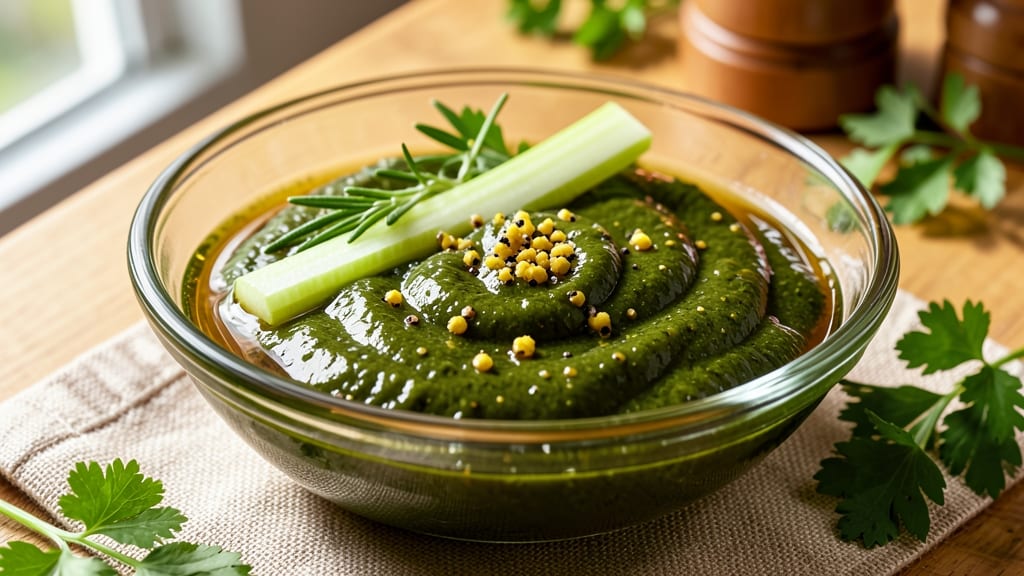
This French dressing recipe with apple cider vinegar delivers the perfect balance of tangy brightness and bold flavor that elevates any salad or roasted vegetable. 💛 The secret lies in a classic emulsion technique that binds oil and vinegar into a silky, stable dressing with just the right crunch from celery and black pepper.
I developed this version after years of testing—it’s the one that finally convinced even my pickiest diners to skip the bottled stuff.
The foundation is simple: high-quality olive oil, apple cider vinegar for depth, and Dijon mustard to create that signature French tang. Fresh herbs like tarragon and parsley add aromatic complexity, while a pinch of onion and garlic powder build layers of savory warmth.
The key technique? Whisking vigorously to create a smooth emulsion that won’t separate, even after days in the fridge.
What you’ll end up with is a dressing that’s rich enough for hearty dishes but bright enough to cut through dense greens. The apple cider vinegar adds a subtle sweetness that balances the pepper’s kick, while the celery brings a satisfying crunch.
This isn’t just another vinaigrette—it’s a dressing that transforms simple meals into something special.
Store it in an airtight container for up to a week, or freeze for longer shelf life. The flavors only deepen over time, making it perfect for meal prep. Let’s make this dressing—it’s about to become your go-to for everything from salads to marinades.
Ingredients for french dressing recipe with apple cider vinegar
Just ten ingredients transform into the dressing that’ll make you swear off store-bought forever.
| Ingredient | Amount | Notes |
|---|---|---|
| Extra-Virgin Olive Oil 🫒 | ¾ cup | High-quality, fruity variety |
| Apple Cider Vinegar 🍏 | ½ cup | Raw, unfiltered preferred |
| Dijon Mustard 🌶️ | 1 tbsp | Smooth, not coarse |
| Fresh Tarragon Leaves 🌿 | ¼ cup | Chopped finely, stems removed |
| Fresh Parsley Leaves 🌿 | ¼ cup | Flat-leaf preferred |
| Celery Stalk 🧅 | ¼ cup | Finely minced, crisp |
| Onion Powder 🧅 | ½ tsp | Freshly ground preferred |
| Garlic Powder 🧄 | ½ tsp | Not garlic salt |
| Ground Black Pepper 🌶️ | ½ tsp | Freshly cracked preferred |
| Granulated Sugar 🍚 | 1 tsp | Optional, for subtle sweetness |
The olive oil and apple cider vinegar are your power duo—look for extra-virgin olive oil with a fruity finish (none of that cheap, bitter stuff). Trader Joe's and Whole Foods carry great options, but any bottle labeled 'fruity' or 'light' will work. Apple cider vinegar? Raw, unfiltered has more flavor, but regular works in a pinch. The Dijon mustard is non-negotiable—it’s what gives this dressing its signature tang. Skip the 'prepared' mustard from the jar; grab the yellow packet from the spice aisle. Fresh herbs make all the difference, so if you’ve got a window herb garden, snip some tarragon and parsley—otherwise, dried works but use half the amount.
No tarragon? Fresh dill or thyme adds a different but still lovely brightness. Out of Dijon? Yellow mustard powder mixed with a splash of water works in a bind. Celery not crisp? Soak it in ice water for 10 minutes to perk it up. The onion and garlic powders are just flavor boosters—no need to fuss over them, but don’t skip them either. Want it sweeter? Add another teaspoon of sugar, or a splash of honey if you’re not strict about vegan. The black pepper is where the magic happens—freshly cracked gives it that little kick, but pre-ground is fine if you’re in a hurry.
This dressing keeps like a champ—up to 1 week in the fridge if you seal it tightly. I like to pour it into a small mason jar so it’s ready to shake and pour. For longer storage, freeze it in ice cube trays—just thaw and shake before using. The flavors actually get better over time, so make a big batch and thank me later. Pro tip: If it separates, just give it a good whisk before using. It’ll come back together like nothing happened.
Why You'll Love This Recipe
- No-Fuss Mixing: I’ll be real—this dressing comes together in one bowl with just a whisk. No blender, no straining, no fuss. The Dijon mustard emulsifies the oil and vinegar in seconds, and the fresh herbs? Just a quick chop and toss.
- Herb-Packed Brightness: That tangy apple cider vinegar cuts through everything, while the tarragon and parsley add a fresh, almost floral lift. Honestly, the balance of sharp, sweet, and green is ridiculously good—especially when drizzled over grilled chicken or a simple salad.
- Weeknight to Party: I’ve used this on everything from quick lunch salads to roasted veggies at dinner parties. The same jar works for both—just adjust the salt to taste. And between us? It’s the one dressing that never feels like an afterthought.
- Jar After Jar: Make a big batch—it keeps for weeks in the fridge. I always have at least two jars stashed, so I’m never scrambling for something to toss on a sandwich or a bowl of greens. Plus, the ingredients are cheap and last forever.
Step-by-step instructions for French dressing with apple cider vinegar
Here's how to whip up this bright, herbaceous dressing that's perfect for salads, sandwiches, or dipping.
👨🍳 Step 1: Whisk Together the Wet Ingredients
In a medium bowl, combine the 0.75 cup extra-virgin olive oil with the 0.5 cup apple cider vinegar. I like to use a whisk for this step—it creates a nice, light emulsion right from the start. Add the 1 tbsp Dijon mustard and 1 tsp granulated sugar (if using) and whisk everything together until fully integrated.
This is where the magic begins—the vinegar and oil should start to blend slightly, though you'll still see some separation. Don't worry, we'll fix that in the next step. The sugar here is optional but helps balance the acidity of the vinegar, especially if you're using a particularly tart variety.
🍳 Step 2: Add the Fresh Herbs and Spices
Next, stir in the 0.25 cup finely chopped fresh tarragon leaves, 0.25 cup fresh parsley leaves, and 0.25 cup finely minced celery stalk. These fresh ingredients bring that signature French dressing crunch and bright flavor. Add the 0.5 tsp onion powder, 0.5 tsp garlic powder, and 0.5 tsp freshly cracked ground black pepper and give everything another good stir.
Here's the thing—those fresh herbs and celery should be finely chopped. You want them small enough to blend into the dressing but still contribute that wonderful freshness. If your celery is particularly fibrous, you might want to pulse it quickly in a food processor before adding it to the bowl.
🥘 Step 3: Blend Until Smooth and Emulsified
Transfer the mixture to a blender or food processor. Blend on high for 30-45 seconds until the dressing becomes completely smooth and emulsified. You should end up with a thick, creamy dressing that coats the back of a spoon. If it's still too thick, add 1-2 tablespoons of water at a time until you reach your desired consistency.
This blending step is crucial—it breaks down the fresh herbs and celery into tiny particles that distribute evenly throughout the dressing. The result should be a vibrant green dressing with no visible chunks. If you prefer a slightly chunkier texture, you can pulse briefly instead of blending fully.
⏰ Step 4: Rest and Adjust Seasoning
Let the dressing sit at room temperature for 10-15 minutes before tasting. This resting period allows all the flavors to meld together. After resting, give it a good stir and taste. Adjust the seasoning if needed—you might want to add a pinch more black pepper or a splash more apple cider vinegar for extra tang.
I know it seems like a short wait, but trust me—this resting time makes a big difference in the final flavor. The dressing will taste more balanced and cohesive after letting it sit. If you're making this ahead of time, you can refrigerate it for up to 1 week, but give it a good shake before using to re-emulsify.
Pro Tips For Making French Dressing Recipe With Apple Cider Vinegar
- STIR LIKE YOU MEAN IT: Whisk that Dijon mustard into the vinegar first—don’t just dump it in. The mustard needs 10-15 seconds of vigorous stirring to fully emulsify before the oil goes in, or you’ll end up with a separated mess that’s more sad than savory.
- CHOP HERBS FINE AND FAST: Stack those tarragon and parsley leaves, roll them tightly, and slice through with a sharp knife. Big chunks sink to the bottom of the dressing, and no one wants to fish for greens mid-dip. (Yes, even if you’re impatient like me.)
- USE COLD OIL, NOT ROOM TEMP: Pull that extra-virgin olive oil straight from the fridge—cold oil emulsifies better with vinegar and mustard. I learned this the hard way after making dressing that split like a bad marriage. Trust the chill.
- SALT THE VINEGAR FIRST: Toss a pinch of flaky salt into the apple cider vinegar before mixing—it cuts through the sharpness and rounds out the flavor. Skipping this step leaves the dressing tasting one-note, like a song missing its chorus. (Your future self will notice.)
Regional styles of this dish
Southern U.S. Twist
Down in the South, we love to give French dressing a little extra warmth by adding a dash of hot sauce—think Crystal or Tabasco—and a pinch of smoked paprika for that deep, smoky kick.
My grandmother Nana Mae always kept a jar of this version in her diner because it made everything from fried chicken to collard greens taste like a celebration. 🌶️ The apple cider vinegar here adds a subtle sweetness that balances the heat beautifully, and the celery brings that classic Southern crunch.
New England Herb Variation
Up in New England, where I spent summers with my aunt, they take this dressing in a different direction by swapping tarragon for fresh chives and adding a splash of lemon juice instead of extra vinegar.
The chives give it a milder, almost onion-like brightness, while the lemon keeps it light and refreshing. I’ve made this version with local honey from Vermont instead of sugar—it’s a game-changer if you want to keep it vegan or just add a touch of floral sweetness.
The celery stays, but they often add a tiny bit of fennel for an anise note that’s pure coastal charm.
Texas BBQ Fusion
Now, this might sound wild, but in Austin, we’ve taken to drizzling this dressing over smoked brisket or using it as a marinade for grilled chicken. The apple cider vinegar cuts through the richness of the meat, while the black pepper and garlic powder add that smoky depth.
I like to boost it with 1 tsp of chipotle powder for a little heat and a splash of bourbon (just 1 tbsp) for a grown-up twist. It’s become a staple at our backyard cookouts—trust me, your brisket will thank you. 🔥
French Country Classic
Back to its roots, the classic French version of this dressing—what the French call vinaigrette—often includes shallots instead of onion powder and a touch of white wine vinegar mixed with the apple cider.
They’d also add a pinch of salt (trust me, it’s essential) and sometimes a hard-boiled egg yolk for extra richness. The herbs here are usually tarragon and chervil, but parsley works just as well. This version is all about balance—tangy, herbaceous, and just slightly sweet.
It’s the kind of dressing that makes even the simplest salad feel like a meal at a Parisian bistro.
Midwest Farmhouse Style
Out in the heartland, where I used to source ingredients for my first cookbook, they love to make this dressing with homemade apple cider vinegar from their own orchards. They’ll often add a handful of fresh dill instead of parsley and a teaspoon of wholegrain mustard for texture.
The celery is usually from their garden, and they’ll sometimes throw in a grated apple for extra sweetness. It’s hearty, rustic, and perfect for those big family dinners where everyone’s bringing a dish.
The apple cider vinegar here is the star—it’s got that deep, earthy flavor that ties everything together. 🍏
Modern Austin Adaptation
Here in Austin, we’re all about mixing global flavors, so I’ve seen this dressing get a Korean-inspired twist with a splash of gochujang (just ½ tsp) and a grated daikon radish for crunch. The apple cider vinegar keeps it bright, while the gochujang adds a fermented depth that’s addictive.
We also love adding toasted sesame oil (½ tsp) for a nutty finish. It’s unexpected but works like magic on everything from sushi bowls to grilled shrimp. If you’re feeling adventurous, give it a try—it’s the kind of fusion that makes cooking fun again. 🌟
Nutrition facts
Frequently asked questions
Why does my French dressing separate after making it?
Separation happens when the oil and vinegar emulsion breaks. To fix it, whisk vigorously or blend again for 15-20 seconds. For prevention, use Dijon mustard (it stabilizes emulsions better than regular mustard) and add ingredients slowly while whisking. Store in an airtight container to maintain consistency.
Can I substitute apple cider vinegar with white wine vinegar?
Yes! Use a 1:1 ratio, but expect slightly different flavors. Apple cider vinegar adds subtle sweetness and depth, while white wine vinegar has a sharper, more acidic profile. For a balanced result, add ½ tsp extra sugar if using white wine vinegar to mimic the apple cider's natural sweetness.
How do I make this dressing spicier?
Add ½ tsp cayenne pepper or 1 tsp hot sauce (like Tabasco) for immediate heat. For a smoky kick, stir in ¼ tsp smoked paprika. If you love bold flavors, try ½ tsp chipotle powder for a deeper, slightly sweet heat—perfect for grilled meats or hearty salads.
What’s the best way to store leftover dressing?
Keep it in an airtight glass jar in the fridge for up to 1 week. Before using, shake or whisk well to re-emulsify. For longer storage, freeze in ice cube trays—thaw overnight in the fridge. The flavors actually improve over time, so don’t wait until it’s "expired" to use it!
Can I make this dressing without fresh herbs?
Use 1 tsp dried tarragon and 1 tsp dried parsley instead of fresh. For celery, substitute with ½ tsp celery seed or 1 tbsp finely minced dried celery flakes. The texture will be smoother, but the flavor will still be vibrant—just less fresh. Add a pinch of lemon zest to brighten it up!