
Main Courses
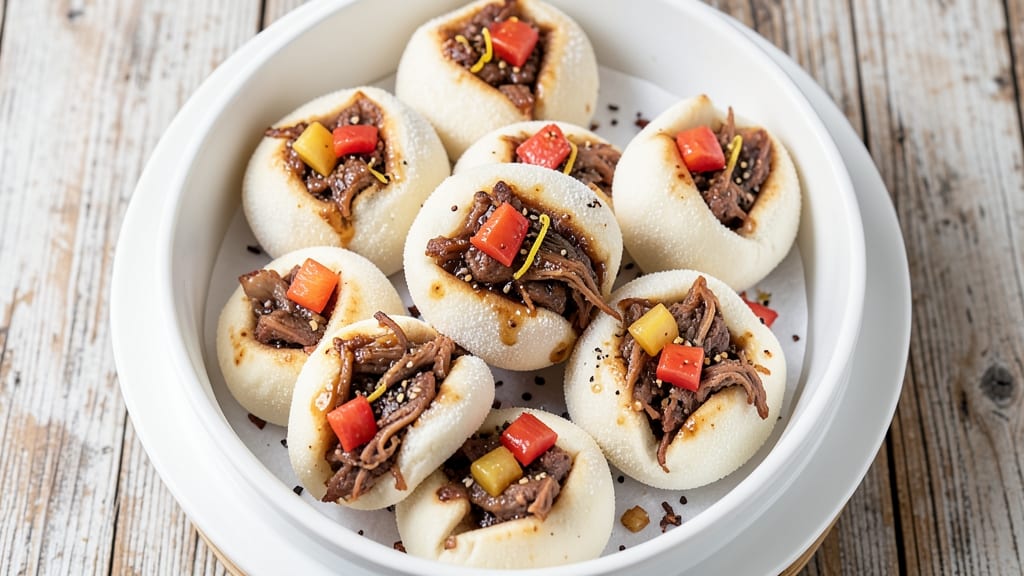
This Mei Lai Wah pineapple pork bun recipe brings Hong Kong's legendary bakery to your kitchen with tender, fluffy buns wrapped around sweet-savory pork and caramelized pineapple. The secret lies in balancing yeast fermentation for light texture while achieving that signature crispy crust through precise steaming.
I first encountered these buns during a trip to Kowloon, where the aroma of freshly steamed pork filled the air—now I recreate that magic at home.
The recipe starts with a simple yet critical dough that develops flavor through overnight proofing, creating those signature air pockets. The filling combines marinated pork with sweet pineapple chunks that caramelize beautifully during steaming, adding bursts of tropical sweetness to every bite.
What makes these different from standard pork buns is that pineapple infusion that transforms them into something uniquely addictive.
By the time you steam these buns to golden perfection, you'll have achieved restaurant-quality results at home—soft, pillowy exteriors with crispy edges and a filling that's perfectly balanced between savory pork and sweet caramelized fruit. The aroma alone will have everyone gathering around your kitchen.
Serve warm with a side of soy sauce for dipping, or enjoy them fresh out of the steamer while still slightly sticky. This recipe delivers the same magic that makes Mei Lai Wah a Hong Kong institution, one steaming batch at a time.
Ingredients for mei lai wah pineapple pork bun
Twelve ingredients transform into twelve golden buns with crispy edges and caramelized pineapple hearts.
| Ingredient | Amount | Notes |
|---|---|---|
| All-Purpose Flour 🌾 | 4 cups | High-protein for chewy texture |
| Active Dry Yeast 🍞 | ¼ oz | Or 2.25 tsp, proofed first |
| Granulated Sugar 🍚 | ½ cup | For yeast activation |
| Unsalted Butter 🧈 | ½ cup | Cold, cubed for dough |
| Whole Milk 🥛 | 1 cup | Warmed to 110°F |
| Egg Yolks 🥚 | 2 whole | Pasture-raised preferred |
| Boneless Pork Shoulder 🥩 | 1 ½ lb | Trimmed, 1-inch cubes |
| Fresh Pineapple 🍍 | 1 cup | Diced, caramelized chunks |
| Light Soy Sauce 🥄 | ¼ cup | For pork marinade |
| Hoisin Sauce 🍜 | 2 tbsp | Authentic Hong Kong style |
| Garlic Cloves 🧄 | 4 cloves | Minced for marinade |
| Sesame Oil 🫒 | 1 tbsp | Toasted for aroma |
| Vegetable Oil 🫒 | ½ cup | For dough shaping |
| Diamond Crystal Kosher Salt 🧂 | 1 ½ tsp | Fine grain preferred |
| Baking Powder 🍞 | ½ tsp | For lift in dough |
The pork shoulder is non-negotiable—look for well-marbled cuts at Asian markets like 99 Ranch or H Mart. Trim the fat carefully; you want just enough to keep the meat juicy during steaming. For the pineapple, fresh is mandatory—canned chunks lack the bright acidity that caramelizes perfectly. If you can't find fresh, San Marzano canned pineapple is the next best option. The hoisin sauce should be authentic—Lee Kum Kee is my go-to, but any brand with no artificial colors works. Store your pork marinade in the fridge for up to 2 days before using.
No fresh pineapple? Mango puree with lime juice mimics the sweet-tart balance, though it won't caramelize the same way. Running short on hoisin? Mix 1 tbsp soy sauce, 1 tsp brown sugar, and 1/2 tsp five-spice powder as a pinch-hitter. The dough's secret is the overnight proofing—skip it and you'll lose those signature air pockets. For the yeast, proof it first in warm milk with a pinch of sugar—it should bubble within 5-10 minutes. If your yeast is old, double the amount to ensure rise. The sesame oil should smell toasty, not rancid—if it's past its prime, toast it briefly in a dry pan to revive the aroma.
Dough keeps 2 days wrapped in plastic in the fridge, or 3 months frozen in portions. The pork filling can be prepped a day ahead—it actually develops more flavor. For steaming, use a bamboo steamer with a tight lid—if yours leaks, line it with parchment paper. These buns reheat beautifully: 5 minutes in a steamer restores that fresh-from-the-bakery texture. Store leftovers covered at room temp for 4 hours max—they're best enjoyed warm, with that slight stickiness that signals perfection.
Why You'll Love This Recipe
- No Yeast Nightmares: I’ve made buns fail before—dry, dense, or collapsing like a sad soufflé—but this dough is forgiving. The yeast blooms fast with warm milk and sugar, and the butter keeps it tender without fuss. Even if I rush, the texture stays light.
- Sweet-Savory Magic: That pineapple glaze isn’t just syrup—it’s the star. The caramelized edges cut through the fatty pork, while the milk-softened dough soaks it up like a sponge. Honestly, the first bite makes me forget it’s a weeknight dessert.
- Party in a Basket: These buns disappear at gatherings, but they’re just as easy for a solo night. Freeze half the dough, and you’ve got a last-minute treat for birthdays, potlucks, or when your roommate “forgets” to order dessert.
- Budget Bites: A single batch stretches for days—warm them in the oven, and they taste fresh. The butter and milk make them rich, but the flour and yeast keep costs low. My wallet and my taste buds win.
Step-by-step instructions for Mei Lai Wah pineapple pork buns
Here's how to craft these iconic buns—fluffy dough, caramelized pineapple hearts, and savory pork filling that melts in your mouth.
Prepare the Pork Filling with Caramelized Pineapple
Cut the 1.5 lb boneless pork shoulder into 1-inch cubes and place them in a bowl. In a small bowl, whisk together 0.25 cup light soy sauce, 2 tbsp hoisin sauce, 1 tbsp toasted sesame oil, and 4 minced garlic cloves. Pour this marinade over the pork and toss until evenly coated. Let it marinate at room temperature for 30 minutes while you prepare the pineapple.
In a separate pan, heat 1 tbsp vegetable oil over medium-high heat. Add the 1 cup diced fresh pineapple and cook until the edges turn golden brown and caramelized—about 5-6 minutes. The fruit should release its juices and develop a sticky, glossy appearance. Transfer the caramelized pineapple to a plate and set aside. Now add the marinated pork to the same pan and cook until lightly browned on all sides—about 5-7 minutes. The pork should be 80% cooked at this point but still slightly pink in the center. Mix the cooked pork with the caramelized pineapple and set aside to cool completely before using as filling.
Activate the Yeast and Mix the Dough
In a small bowl, sprinkle the 0.25 oz active dry yeast over 0.5 cup warm whole milk (around 110°F) and 0.5 cup granulated sugar. Let it sit for 5-10 minutes until it becomes frothy—this signals the yeast is active. In a large mixing bowl, combine the 4 cups all-purpose flour, 1.5 tsp diamond crystal kosher salt, and 0.5 tsp baking powder. Make a well in the center and pour in the yeast mixture, 2 whole egg yolks, and 0.5 cup cold cubed unsalted butter. Mix with a wooden spoon until a shaggy dough forms.
Turn the dough onto a lightly floured surface and knead for 8-10 minutes until smooth and elastic. The dough should feel slightly tacky but not sticky. If it's too dry, add 1 tsp vegetable oil at a time; if too sticky, add 1 tbsp flour at a time. Shape the dough into a ball, place it back in the bowl, cover with a damp towel, and let it rise in a warm place for 1-2 hours or until it doubles in size. A good test is to poke the dough gently—if it springs back slowly, it's ready.
Shape the Buns and Prepare for Steaming
Once the dough has risen, punch it down to release air and divide it into 12 equal pieces (about 2 oz each). Roll each piece into a 6-inch circle, then place 1 tsp of the pork-pineapple filling in the center. Gather the edges of the dough around the filling, pinching gently to seal, and shape into a smooth ball. Place the buns on a parchment-lined baking sheet, cover with a damp towel, and let them rest for 20 minutes to relax the gluten.
While the buns rest, prepare your steamer. Fill a large pot with 2 inches of water, bring it to a rolling boil, then reduce to a gentle simmer. Place a steamer basket or heatproof plate inside the pot, ensuring it doesn't touch the water. Line the basket with parchment paper cut to fit, lightly greased with vegetable oil to prevent sticking. Arrange the buns in the basket, leaving 1 inch of space between them for even steaming.
Steam to Fluffy Perfection
Cover the steamer with a lid and steam the buns over medium-high heat for 12-15 minutes. You'll know they're done when the tops are golden brown and the buns sound hollow when tapped gently on the bottom. Avoid lifting the lid during steaming—this causes the buns to collapse. If the water in the pot boils too vigorously, reduce the heat slightly to maintain a gentle simmer. The steam should rise steadily but not bubble violently.
Once steamed, transfer the buns to a wire rack to cool for 5 minutes. Serve them warm, cutting each bun in half to reveal the caramelized pineapple hearts and savory pork filling nestled within the soft, pillowy dough. The contrast of textures—crispy pineapple, tender pork, and fluffy bun—is what makes these buns unforgettable. Enjoy them fresh while the filling is still warm and the dough is at its peak softness!
Pro Tips For Making Mei Lai Wah Pineapple Pork Bun
- STEAM AT 160°F: I learned this the hard way—mei lai wah buns need a precise steam temperature. Too low (150°F) and they turn gummy; too high (180°F+) and they dry out. Use a thermometer and adjust your burner for consistency, especially if your stove runs hot or cold.
- CHILL THE DOUGH: Let the dough rise once, then refrigerate it for 12–24 hours. This isn’t just about convenience—it develops gluten and sugar balance, so the buns stay soft longer and don’t turn into chewy bricks. (Yes, even if you’re impatient like me.)
- USE COLD BUTTER: Cut that unsalted butter into tiny cubes and fold it into the dough cold. Warm butter melts too fast, making the buns dense and greasy instead of flaky. If the dough feels sticky, chill it again—this is non-negotiable for texture.
- STEAM IN BATCHES: Don’t overcrowd the steamer—leave space between buns. I used to pack them in like sardines, and they’d turn out flat and sad. A single layer, 1-inch apart, guarantees even cooking and that signature pillowy rise. (Your future self will thank you.)
Wine and beer pairings for this dish
Sweet-Savory Wine Pairings
These pineapple pork buns demand a wine that complements their caramelized fruit and savory pork without overpowering. I reach for a dry Riesling from Germany—its crisp acidity and subtle honeyed notes mirror the pineapple's sweetness while cutting through the pork's richness.
Look for a Kabinett-level Riesling like Dr. Loosen Blue Slate; it's light enough to let the buns shine. 🍷
Light-Bodied Beer Options
A wheat beer with citrus notes is my go-to for balancing the dish's complexity. Try a Belgian Witbier like Hoegaarden—its coriander and orange peel flavors echo the pineapple's brightness while the effervescence cleanses the palate. For a local option, Allagash White delivers similar refreshing contrast without competing for attention.
Unexpected Tea Pairing
Skip the alcohol and serve with a jasmine green tea infused with a splash of pineapple juice—this creates a perfect harmony with the buns' flavors.
Brew Lipton Jasmine Green Tea and add 2 tbsp fresh pineapple juice per cup; the floral notes enhance the dish's tropical elements while the tea's light body prevents heaviness. Serve chilled for maximum refreshment. ☕
Spiced Rum Cocktail
For a festive touch, mix dark rum with pineapple juice and a dash of Angostura bitters to create a Pineapple Pork Bun Punch. Use Bacardi Dark Rum and Maui Gold pineapple juice—the rum's caramel undertones amplify the filling's depth.
Serve over crushed ice with a sprinkle of toasted sesame seeds for garnish. 🍹
Coffee Contrast
Believe it or not, a light roast Vietnamese coffee with condensed milk pairs surprisingly well with these buns. The coffee's nutty sweetness contrasts the pork's savory notes, while the condensed milk adds richness.
Brew Trung Nguyen coffee and serve in small cups alongside the buns for an unexpected but delightful combination. ☕
Pro Pairing Tip
No matter what you choose, serve drinks slightly chilled—around 50°F—to enhance their refreshing qualities against the warm buns. I always keep my wine glasses filled with ice water between sips to reset the palate.
The key is balance: let the drink complement, not compete with, the dish's complex flavors. 💡
Nutrition facts
Frequently asked questions
Why does the dough need overnight proofing?
The overnight proofing develops deeper flavor and creates those signature air pockets that make Mei Lai Wah buns so light and fluffy. This slow fermentation allows the yeast to work gradually, creating a more complex dough structure than quick rises. For best results, place the dough in the fridge overnight—it rises perfectly while keeping your kitchen cool.
Can I make the filling ahead of time?
The pork-pineapple filling actually tastes better when made a day ahead. The flavors meld more completely, and the pineapple continues to caramelize slightly in the fridge. Store it in an airtight container and bring to room temperature before using—this ensures even cooking when you steam the buns.
What if my buns don't get crispy edges?
Crispy edges come from proper steaming technique. Make sure your steamer has a tight lid and maintain a gentle simmer—not a rolling boil. If your buns stay soft, try adding 1 tsp sugar to the water for extra caramelization, or steam for 1-2 extra minutes. The parchment paper should also be lightly oiled to prevent sticking.
Can I substitute chicken for pork in this recipe?
While possible, chicken won't give the same rich, tender texture. If you must substitute, use boneless chicken thigh (not breast) and reduce the cooking time in the filling to 3-4 minutes. The chicken will dry out faster, so keep it slightly undercooked until the final steaming step when the residual heat will finish it.
How do I store leftover pineapple pork buns?
Store them in an airtight container at room temperature for up to 4 hours. For longer storage, refrigerate for 2 days. To reheat, steam for 5 minutes*. Never microwave—they'll lose their crispy edges and become gummy. The best way to enjoy leftovers is to reheat them fresh from the steamer while still warm.