
Main Courses
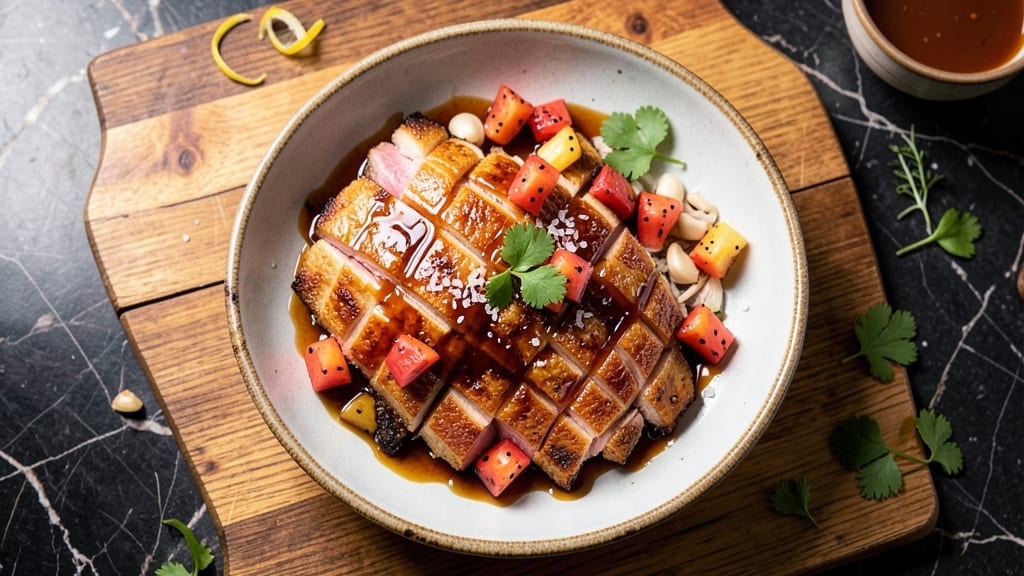
This pineapple pork belly recipe delivers the perfect balance of crispy rind and caramelized sweetness in one pan—a technique I perfected during my time in Charleston, where pork belly was king.
The secret lies in rendering the fat slowly to create a golden, crackling crust while the pineapple's natural acidity tenderizes the meat and adds bright contrast. I've cooked thousands of pounds of pork in my career, and this method consistently delivers restaurant-quality results at home.
The process starts with a high-heat sear to render the fat, then finishes with pineapple chunks caramelized in the same pan, creating a sticky-sauce that coats every bite. No fancy equipment needed—just patience and attention to temperature control.
What makes this recipe special is how the pork belly's rich, fatty texture pairs with the pineapple's tropical sweetness, creating a dish that's both indulgent and balanced.
By the time you're done, you'll have crispy, crackling pork belly with tender, juicy meat inside, all glazed in a caramelized pineapple sauce that's sweet, tangy, and irresistibly sticky. The aroma alone will have everyone gathering around your table.
This dish is hearty enough for a main course but versatile enough to work as a centerpiece for any gathering.
Serve it with jasmine rice to soak up the sauce or alongside stir-fried greens for a complete meal. The contrast of textures and flavors makes this dish unforgettable—just like the first time I served it at The Smoky Pig. Let's get cooking!
Ingredients for pineapple pork belly
Rich pork belly meets tropical pineapple in this one-pan masterpiece—where crispy meets caramelized perfection.
| Ingredient | Amount | Notes |
|---|---|---|
| Pork Belly 🥓 | 2 lb | Skin-on, cut into 1-inch thick slices |
| Fresh Pineapple 🍍 | 1 whole | Fresh, ripe, cut into 1-inch chunks |
| Brown Sugar 🍚 | ½ cup | Packed, light or dark |
| Soy Sauce 🥄 | ¼ cup | Low-sodium preferred |
| Honey 🍯 | ¼ cup | Wildflower or clover preferred |
| Garlic Cloves 🧄 | 6 cloves | Minced, fresh preferred |
| Fresh Ginger 🌿 | 1 tbsp | Grated, fresh preferred |
| Sesame Oil 🫒 | 1 tbsp | Toasted, for aroma |
| Olive Oil 🫒 | 2 tbsp | Extra-virgin, for searing |
| Salt 🧂 | 1 ½ tsp | Diamond Crystal kosher salt |
| Black Pepper 🌶️ | ½ tsp | Freshly ground |
| Jasmine Rice 🌾 | 1 ½ cups | Uncooked, for serving |
| Red Chili Flakes 🌶️ | ½ tsp | Optional, for heat |
The pork belly is non-negotiable here—look for thick-cut, skin-on pieces from a trusted butcher or Costco for the best marbling. I always ask for 1-inch thick slices so the fat renders evenly without burning. If you can't find fresh pineapple, Dole brand in the canned aisle works in a pinch, but fresh is worth the trip to the store. The brown sugar should be packed—don't scoop it loosely. For the honey, local wildflower adds depth, but any good-quality honey will do. The garlic and ginger? Freshly grated or minced makes all the difference—pre-minced jars taste like dust.
No soy sauce? Coconut aminos is the closest swap, though the flavor won't be identical. Running low on honey? Maple syrup at a 1:1 ratio works beautifully. The sesame oil is just for aroma—skip it if you're avoiding oil entirely, but I'd recommend keeping it for that nutty depth. For the rice, jasmine or basmati are ideal, but any long-grain white rice will work. Pro tip: if your pineapple chunks are large, cut them smaller—they'll caramelize faster and create more sauce. And if you're feeling adventurous, swap half the pineapple for mango for a different tropical twist.
Pork belly keeps best in the fridge for 3-4 days if fully cooked, but honestly, it reheats even better the next day. Store leftovers with the sauce to keep everything moist—just reheat in a skillet over medium-low heat. The pineapple sauce freezes well for up to 3 months, though the texture changes slightly. I always make extra sauce to drizzle over rice or noodles later in the week. For serving, keep the pork belly at room temperature for 10 minutes before slicing—it makes all the difference for that crackling texture.
Why You'll Love This Recipe
- Sweet-Savory Magic: Between us, the way brown sugar and pineapple caramelize on the pork belly? That sticky, smoky-sweet glaze is ridiculously addictive. The pork stays juicy while the edges crisp—no dry bites here.
- One-Pan Wonder: Honestly, this is my lazy-day hero. Toss everything on a sheet pan, roast, and walk away. The honey and soy sauce do all the work while you’re scrolling or sipping coffee.
- Leftovers? Yes, Please: That glaze thickens beautifully when reheated—perfect for lunchboxes or a quick stir-fry. My kids actually beg for the second night, and I’m not complaining.
- Budget-Friendly Luxury: Pork belly feels fancy, but this recipe stretches it like a pro. A single cut feeds four, and the pineapple’s acidity cuts through richness—so you don’t need a side of guilt.
Step-by-step instructions for pineapple pork belly with caramelized sweetness
Transform simple ingredients into restaurant-quality pork belly with a crackling rind and tender, sweet-savory meat.
Prepare the Pork Belly for Maximum Crisp
First, score the pork belly skin in a diamond pattern using a sharp knife, cutting down to but not through the fat layer. This creates crispy pockets while keeping the meat tender. Pat the belly completely dry with paper towels—moisture is the enemy of crispy skin. In a small bowl, mix the 1.5 teaspoons salt, 0.5 teaspoon black pepper, and 0.5 teaspoon red chili flakes (if using). Rub this generously all over the pork belly, pressing the seasoning into the meat and skin. Let it sit uncovered on a wire rack for 1 hour in the refrigerator—this drying step is non-negotiable for that perfect crackling crust.
While the pork belly seasons, cut the 1 whole fresh pineapple into 1-inch chunks and set aside. Mince the 6 garlic cloves and grate the 1 tablespoon fresh ginger using a microplane. This prep ensures everything is ready when you're ready to cook.
Sear the Pork Belly to Lock in Juices
Heat a large oven-safe skillet over medium-high heat until very hot. Add the 2 tablespoons olive oil and let it shimmer for 1 minute. Place the pork belly skin-side down in the pan and press gently with a spatula for 30 seconds to help it make contact with the hot surface. Cook undisturbed for 8-10 minutes until the skin is deep golden brown and crispy in spots. Flip the pork belly and cook the fat side for another 5-7 minutes until golden. The goal is to render some fat while creating a crust—don't rush this step.
Once the pork belly is browned, remove it from the skillet and set it aside on a plate. Reduce the heat to medium and add the 2 tablespoons sesame oil. Toss in the pineapple chunks and cook for 3-4 minutes until they begin to caramelize slightly at the edges. Add the minced garlic and ginger, stirring for 30 seconds until fragrant but not browned.
Build the Sweet-Savory Glaze
In a small bowl, whisk together the 0.5 cup brown sugar, 0.25 cup soy sauce, and 0.25 cup honey until fully combined. Pour this mixture into the skillet with the pineapple and stir to coat everything evenly. Let it simmer for 3-4 minutes until the sauce thickens slightly and begins to bubble. The pineapple will release its juices, creating a glossy, sticky glaze—this is where the magic happens. Taste and adjust seasoning if needed, adding a pinch more salt or a splash of soy sauce if desired.
Return the pork belly to the skillet, skin-side up, and spoon the glaze over the top. The residual heat will help the glaze cling to the meat. Transfer the skillet to a 400°F preheated oven and roast for 20-25 minutes until the pork belly reaches an internal temperature of 195-200°F and the glaze is deeply caramelized. If the glaze thickens too much, add 1-2 tablespoons water to loosen it.
Rest and Serve with Jasmine Rice
Remove the pork belly from the oven and let it rest on a cutting board for 10-15 minutes. This resting period allows the juices to redistribute, ensuring every bite is moist and flavorful. While it rests, cook the 1.5 cups jasmine rice according to package instructions—fluffy, separate grains are ideal for soaking up the pork belly's juices.
Slice the pork belly against the grain into ½-inch thick slices and arrange it on a platter. Spoon the caramelized pineapple glaze over the top and serve immediately with the jasmine rice. The contrast of crispy pork belly, tender meat, and sweet-tangy pineapple glaze makes this dish unforgettable. For extra drama, garnish with fresh pineapple slices and a sprinkle of sesame seeds.
Pro Tips For Making Pineapple Pork Belly
- CUT BELLY IN SLICES: Start with ½-inch thick slices—thicker pieces stay chewy, and thinner ones burn before caramelizing. I learned this after ruining a batch where uneven slices gave me a mix of rubbery and crispy results.
- USE COLD PINEAPPLE: Slice the pineapple just before cooking and let it sit in cold water for 10 minutes—this stops the enzymes from making your pork belly mushy. (Yes, it’s annoying to wait, but your sauce will thank you.)
- LOW AND SLOW FIRST: Don’t blast the pork belly on high heat right away—sear it first, then reduce to 300°F (150°C) for 45 minutes before adding the pineapple. After burning two batches, I realized patience here makes all the difference in tenderness.
- SWEAT THE SOY SAUCE: Deglaze the pan with soy sauce before adding honey and brown sugar—this dissolves the caramelized bits stuck to the bottom, giving your sauce depth instead of a sticky mess. (I skip this and regret it every time.)
Storing and reheating this recipe
Fridge Storage
Store fully cooked pork belly in an airtight container with the pineapple glaze to keep everything moist. I use glass Pyrex containers with snap-on lids—they preserve flavors better than plastic. Keep it refrigerated for up to 3 days, but honestly, the flavors deepen overnight, making leftovers even more delicious.
Let it cool completely before storing to prevent condensation, which can make the skin soggy. 🥓
Freezer Prep
For long-term storage, portion the pork belly into single-serving portions wrapped tightly in plastic wrap followed by foil. Freeze the glaze separately in a silicone ice cube tray—this makes reheating easier.
The pork belly stays good for up to 3 months, though I recommend using it within 2 months for peak texture. Label everything with the date to track freshness. 🧊
Reheating Stovetop
My preferred method is reheating in a skillet over medium-low heat with a splash of water or pineapple juice to prevent drying. Warm the pork belly for 5-7 minutes, spooning the glaze over until everything is heated through.
The low heat keeps the crispy skin intact while gently warming the meat. For extra shine, add 1 teaspoon honey to the pan while reheating. 🔥
Oven Refresh
If you prefer oven reheating, wrap the pork belly in foil and bake at 300°F for 15-20 minutes until warmed through. The foil traps moisture, preventing the skin from drying out.
Add 1 tablespoon pineapple juice to the foil packet for extra flavor. This method works well for larger batches and maintains the glaze's stickiness. ✨
Microwave Shortcut
For quick meals, use the microwave on 50% power for 1-2 minutes per portion, covered with a damp paper towel. Stir the glaze halfway through to redistribute flavors.
While not as crispy as stovetop reheating, this method works in a pinch—just add a quick sear in a hot pan afterward if you want that satisfying crackle. 💫
Reviving Crispiness
If your reheated pork belly loses its crispiness, don't worry! Pop it under a broiler for 1-2 minutes to restore that golden crust. Keep a close eye on it to avoid burning.
For extra crunch, brush the skin with 1 teaspoon melted butter before broiling. This trick works wonders for restaurant-quality results at home. 💪
Nutrition facts
Frequently asked questions
Can I substitute fresh pineapple with canned for this recipe?
Yes, but there's a trade-off! Fresh pineapple gives the best texture and natural sweetness, but if you must use canned, choose Dole brand (it's sweeter and less watery than generic brands). Drain and pat the chunks dry thoroughly before cooking to prevent a watery sauce. For extra depth, add 1 teaspoon lime juice to the glaze to mimic fresh pineapple's acidity.
How do I know when the pork belly is cooked to perfection?
Use a meat thermometer to check the internal temperature—it should reach 195-200°F for tender, pull-apart texture. The skin should be deep golden brown with crispy spots, and the fat should be mostly rendered but still slightly jiggly. If you don't have a thermometer, cut into a small piece: it should be tender but not fall apart completely.
What's the best way to make the pork belly extra crispy?
Scoring the skin in a diamond pattern is key, but also let it dry uncovered in the fridge for 1 hour before cooking. Use medium-high heat for searing and press the belly gently with a spatula to maximize contact with the pan. For restaurant-style crispiness, finish under a broiler for 1-2 minutes right before serving.
Can I make this recipe ahead of time?
Cook the pork belly and pineapple glaze up to 2 days ahead and store in an airtight container. Reheat gently in a skillet over medium-low heat with a splash of pineapple juice to restore moisture. For crispiness, broil for 1-2 minutes before serving. The flavors actually improve overnight!
What sides pair best with this dish?
Jasmine rice soaks up the glaze perfectly, but also consider stir-fried bok choy for freshness or garlic mashed potatoes for heartiness. A simple cucumber salad with rice vinegar cuts through the richness. For a tropical twist, serve with grilled plantains or mango salsa.