
Sauces & Condiments
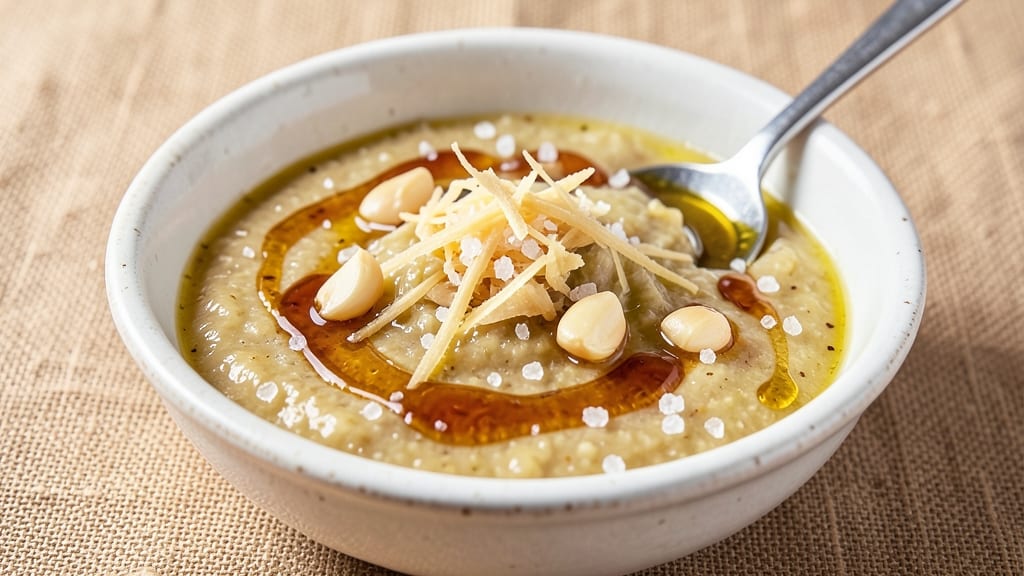
This apple cider vinegar garlic ginger recipe transforms simple ingredients into a vibrant pan sauce that adds depth to everything from stir-fries to roasted meats.
The tangy brightness of apple cider vinegar cuts through rich flavors, while fresh garlic and ginger create a warm, aromatic base that lingers on the palate. I developed this sauce after years of searching for a versatile, all-purpose condiment that could elevate dishes without overpowering them.
The beauty of this recipe lies in its simplicity—just five core ingredients combine in minutes to create a sauce that's equally at home drizzled over grilled chicken or tossed with fresh greens.
The key is balancing acidity with sweetness, which I achieve by adding a touch of honey or maple syrup at the end. This adjustment transforms the sauce from sharp to complex, making it perfect for both savory and slightly sweet applications.
What sets this sauce apart is its foolproof technique: simmering the ingredients until fragrant and slightly reduced creates a concentrated flavor that intensifies with each use. The result is a glossy, aromatic sauce that clings beautifully to proteins and vegetables, adding layers of umami and brightness.
Unlike store-bought versions, this recipe delivers fresh, vibrant flavor with no artificial additives.
Once made, this sauce keeps well in the refrigerator for up to two weeks, making it ideal for meal prep. Use it as a marinade, pan sauce, salad dressing, or even a finishing drizzle for soups and noodles.
The possibilities are endless, and the process couldn't be simpler—just mix, simmer, and elevate your cooking game.
Ingredients for apple cider vinegar garlic ginger
Five ingredients create this aromatic pan sauce that transforms ordinary dishes into extraordinary ones.
| Ingredient | Amount | Notes |
|---|---|---|
| Apple Cider Vinegar 🍎 | ½ cup | Raw, unfiltered preferred for depth |
| Fresh Garlic Cloves 🧄 | 4 cloves | Minced for aromatic release |
| Fresh Ginger Root 🌿 | 1 ½ tbsp | Finely grated, skin removed |
| Extra-Virgin Olive Oil 🫒 | ¼ cup | High-quality for richness |
| Honey or Maple Syrup 🍯 | 1 tbsp | Pure grade for sweetness balance |
| Diamond Crystal Kosher Salt 🧂 | ½ tsp | Fine grain for even seasoning |
| Freshly Ground Black Pepper 🌶️ | ¼ tsp | Cracked peppercorns preferred |
The apple cider vinegar should be raw and unfiltered—brands like Bragg or Texas Pete deliver that tangy depth without artificiality. Fresh garlic and ginger are non-negotiable here; organic produce from the grocery store's refrigerated section ensures maximum potency. For ginger, peel the root with a spoon to avoid wasting the valuable flesh. The olive oil matters too—California avocado oil or Spanish extra-virgin adds subtle fruity notes that elevate the sauce beyond basic. If you're using honey, Manuka or clover varieties bring unique floral undertones that pair beautifully with the vinegar's acidity.
No raw apple cider vinegar? Distilled white vinegar with 1 tsp lemon juice mimics the brightness, though the flavor profile shifts slightly. Substituting fresh garlic with 2 tsp garlic powder works in a pinch, but you'll lose that essential aromatic punch. For ginger, 1 tsp ground ginger can replace the fresh, though it lacks the same complexity. The honey can be swapped for maple syrup (use the same amount) or even agave nectar for a neutral sweetness. If you prefer less sweetness, reduce the honey to 1 tsp and add an extra 0.5 tsp lemon juice to compensate. The salt and pepper are flexible—adjust to taste, but don't skip them entirely as they round out the sauce's character.
This sauce develops even better the next day as the flavors meld. Store it in an airtight glass jar in the refrigerator for up to 2 weeks, though I find it's best used within 10 days for peak freshness. For longer storage, freeze in ice cube trays—each cube makes a perfect single-use portion for drizzling. The sauce thickens slightly when chilled, so give it a quick whisk before using. If it separates, simply stir vigorously to re-emulsify. Trust me, the first time you drizzle this over grilled fish or roasted vegetables, you'll never go back to store-bought again.
Why You'll Love This Recipe
- Here’s what sold me: the way the raw garlic and ginger sizzle in olive oil until fragrant, then get mellowed by the vinegar’s bright bite. A drizzle of honey? Suddenly it’s sweet-savory perfection—dip it in everything, from roasted veggies to grilled chicken.
- Five-Ingredient Magic: I swear by this combo—just peel, chop, and blend. No fancy gadgets, no waiting for spices to toast. That sharp tang of apple cider vinegar cuts through the heat of fresh ginger and garlic, while the olive oil ties it all together like a warm hug.
- Bright & Tangy Zing: Here’s what sold me: the way the raw garlic and ginger sizzle in olive oil until fragrant, then get mellowed by the vinegar’s bright bite. A drizzle of honey? Suddenly it’s sweet-savory perfection—dip it in everything, from roasted veggies to grilled chicken.
- Pantry Powerhouse: This stuff lasts forever in my fridge, and I use it weekly. Stir into dressings, marinades, or even a quick stir-fry sauce. Honestly, I’ve had it sitting for months, and it still tastes fresh—no waste, just flavor on demand.
Step-by-step instructions for apple cider vinegar garlic ginger pan sauce
Transform simple ingredients into a vibrant, multi-purpose sauce that brightens proteins and vegetables alike.
Prepare the Aromatics for Maximum Flavor Extraction
Heat the 0.25 cup extra-virgin olive oil in a medium saucepan over medium-low heat until shimmering but not smoking. Add the 4 cloves minced fresh garlic cloves and 1.5 tablespoons finely grated fresh ginger root, stirring constantly for 2-3 minutes until the garlic turns golden and the ginger releases its bright aroma.
This low-and-slow approach prevents burning while maximizing flavor extraction. You'll know it's ready when the mixture smells intensely aromatic and the garlic's edges begin to turn a delicate golden hue. Avoid high heat—ginger and garlic burn faster than you might expect, and charred aromatics will dominate the sauce rather than complement it.
Deglaze with Apple Cider Vinegar for Tangy Depth
Immediately pour in the 0.5 cup apple cider vinegar and increase heat to medium-high. Stir vigorously as the vinegar hits the pan, scraping up any browned bits that have formed—a process called deglazing. Allow the mixture to simmer vigorously for 3-4 minutes until it reduces by about half and becomes slightly syrupy in texture.
The acidity of the vinegar will create a chemical reaction with the oil, breaking down the flavors into a more cohesive sauce. You'll notice the liquid darken slightly and develop a complex, tangy aroma. This reduction step is crucial—it concentrates the flavors and creates the sauce's signature balance between sweet, spicy, and acidic notes.
Sweeten and Season for Perfect Balance
Reduce heat to low and stir in the 1 tablespoon honey or maple syrup and 0.5 teaspoon Diamond Crystal kosher salt. Let the sauce simmer gently for 2 minutes, stirring occasionally, until the sweetener dissolves completely and the sauce becomes glossy. Finish with the 0.25 teaspoon freshly ground black pepper.
Taste the sauce at this stage—it should be vibrant with a bright acidity, a subtle sweetness, and a warm spiciness from the ginger. The salt should enhance all the flavors without overpowering them. If you find it needs more depth, you can add a pinch more salt or a splash of water to adjust the consistency. This sauce is incredibly versatile, so don't be afraid to tweak it to your taste preferences.
Adjust Consistency and Finish to Perfection
For a thinner sauce suitable for drizzling over salads or grains, add 1-2 tablespoons water and simmer for 1 minute. For a thicker sauce that clings beautifully to proteins, simmer uncovered for an additional 3-4 minutes until it reaches your desired consistency. The sauce should coat the back of a spoon without being overly thick.
This sauce works beautifully as a marinade, pan sauce, or finishing drizzle. Its bright acidity cuts through rich dishes, while the sweetness and spice add complexity. Store any leftovers in an airtight container in the refrigerator for up to 5 days, or freeze for up to 3 months. To use, simply reheat gently over low heat, adding a splash of water if needed to restore the desired consistency.
Pro Tips For Making Apple Cider Vinegar Garlic Ginger
- Infuse, Don’t Boil: Simmer your garlic and ginger in the apple cider vinegar on lowest heat—just enough to keep it bubbling gently, not rolling. I learned this the hard way after my garlic turned bitter and gray; high heat kills the delicate flavors you’re trying to extract.
- Peel Ginger Like a Pro: Use a spoon to scoop off the skin in one smooth motion—no peeling required. Fresh ginger’s fibrous peel resists knives, and this method saves time while keeping the root intact for even slicing. (Yes, even if you’re impatient like me.)
- Balance the Vinegar: Taste the vinegar-garlic-ginger base before adding honey—raw ACV is sharp, and you’ll need 1:1 or 2:1 sweetener ratio to avoid pucker. I used to eyeball it and ended up with something that tasted like a medicine cabinet.
- Toast the Garlic First: Sear whole garlic cloves in olive oil for 30 seconds until golden—this deepens their flavor before crushing. Skip this, and your dish will taste like it’s missing a layer. (Your future self will notice.)
Storing and reheating your apple cider vinegar garlic ginger
Refrigerator Storage
Store your apple cider vinegar garlic ginger sauce in an airtight glass jar in the refrigerator, where it keeps beautifully for up to 2 weeks. The flavors actually deepen overnight as the acidity mellows and the aromatics meld together.
I like to use a mason jar because it preserves the sauce's freshness and makes it easy to pour—just twist off the lid and drizzle directly over your dish. 🥫
Before storing, let the sauce cool completely to room temperature to prevent condensation buildup. The sauce will thicken slightly when chilled, so give it a quick whisk or stir before using.
If you notice any separation, simply shake or stir vigorously to re-emulsify the ingredients. The sauce's glossy texture returns instantly, and you won't lose any flavor in the process.
Freezer Storage
For longer storage, freeze the sauce in ice cube trays—each cube makes a perfect single-use portion for drizzling over grilled fish, roasted vegetables, or noodles. Once frozen, transfer the cubes to a freezer bag or airtight container, squeezing out excess air to prevent freezer burn.
This method preserves the sauce's quality for up to 3 months, with no loss of flavor or texture. 🧊
When ready to use, thaw a cube in the refrigerator overnight or quickly in a bowl of warm water. The sauce will retain its vibrant color and aromatic punch, making it ideal for last-minute flavor boosts.
For a smoother texture, reheat the thawed sauce gently in a small saucepan over low heat for 1-2 minutes, stirring occasionally. Add a splash of water if needed to restore the desired consistency.
Reheating Methods
To reheat the sauce from the refrigerator, pour it into a small saucepan and warm over low heat for 2-3 minutes, stirring constantly. Avoid high heat—this sauce is delicate and can easily curdle or separate if heated too aggressively.
If the sauce thickens more than you'd like, add 1-2 tablespoons water and stir until smooth. The goal is to restore the sauce's glossy texture while maintaining its bright, tangy flavor profile. 🔥
For microwave reheating, transfer the sauce to a microwave-safe bowl and heat on 50% power for 20-30 seconds. Stir well after heating, as microwaves can cause uneven heating. If the sauce looks separated, give it a vigorous stir or whisk to re-emulsify.
This method is quick but less ideal for maintaining the sauce's delicate balance—reserve it for when you're short on time.
Reviving Stale Sauce
If your sauce has been sitting in the fridge for a week and tastes a bit flat, don't toss it! Add 1 teaspoon fresh lemon juice and ½ teaspoon honey to revive its brightness. Stir well and let it sit for 5 minutes before tasting again.
This simple adjustment often brings back the sauce's vibrant acidity and complexity, making it feel fresh again. The lemon juice also helps rebalance the flavors if the ginger or garlic notes have mellowed too much. ✨
For extra depth, stir in ½ teaspoon minced fresh garlic or ¼ teaspoon freshly grated ginger just before using. The fresh aromatics will cut through any dullness and remind you why this sauce is so special.
A pinch of black pepper can also add a welcome kick if the flavors have softened over time. With these quick fixes, your sauce will taste like it was just made.
Nutrition facts
Frequently asked questions
Can I use this sauce as a marinade?
This aromatic sauce works beautifully as a marinade for chicken, pork, or tofu. The apple cider vinegar tenderizes proteins while the garlic and ginger infuse deep flavor. Marinate for 30-60 minutes for poultry or 1-2 hours for thicker cuts like pork chops. Always reserve some marinade for basting or finishing the dish.
What if I don't have fresh ginger or garlic?
You can substitute 1.5 tbsp ground ginger or 2 tsp garlic powder, but fresh is ideal for authentic flavor. For ginger, try ½ tsp ground ginger + ½ tsp lemon zest to mimic fresh brightness. If using powdered garlic, add it with the vinegar to dissolve properly and infuse the sauce.
How can I make this sauce spicier?
Add ½ tsp red pepper flakes or 1 tsp sriracha during the final simmer for heat. For smoky depth, stir in ¼ tsp smoked paprika while reheating. The sauce's acidity balances spice beautifully, so start with small amounts and adjust to taste.
Can I use this sauce in cold dishes?
Perfect for salads, grain bowls, or cold noodles! The sauce's tangy brightness shines in cold applications. For extra richness, whisk in 1 tbsp olive oil before serving. It also makes a fantastic dressing when thinned with 2 tbsp water—just stir until smooth and drizzle generously.
Why did my sauce separate when reheating?
This happens when heated too quickly. Always reheat over low heat while stirring constantly. If separation occurs, whisk in 1 tsp cold water** or a splash of vinegar to re-emulsify. The sauce should return to its glossy texture instantly—just avoid high heat next time!