
Main Courses
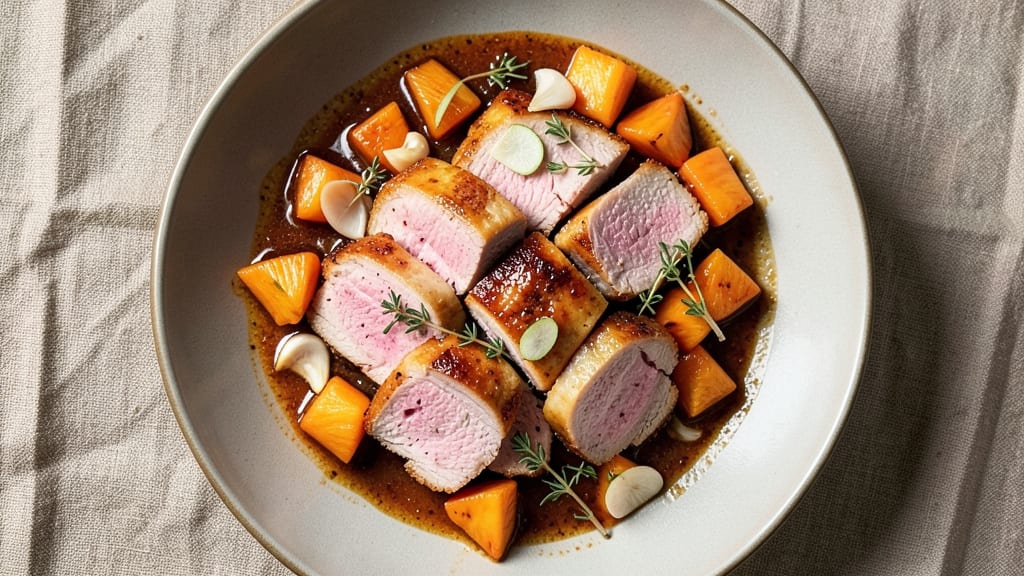
This pineapple stuffed pork tenderloin recipe transforms a simple cut into a showstopping centerpiece that balances tropical sweetness with savory depth. The secret lies in caramelizing the pork's exterior while keeping the interior juicy, all thanks to a pineapple filling that adds natural sweetness and moisture.
I first developed this dish during a Charleston summer when I needed a main course that could handle both heat and a crowd—it never failed to impress.
What makes this recipe special is the technique: butterflying the tenderloin creates a larger surface area for even cooking, while the pineapple filling infuses the meat with bright, caramelized flavors.
The dish pairs beautifully with roasted sweet potatoes and a simple arugula salad, creating a well-rounded meal that feels both elegant and approachable. No special equipment is needed—just a baking dish and patience for the caramelization process.
The result is tender, golden-brown pork with a perfectly balanced filling that's sweet yet not overpowering, thanks to the natural acidity of the pineapple. The caramelized edges add a rich contrast, making every bite a harmony of textures and flavors.
This is the kind of dish that elevates weeknight dinners into special occasions without requiring hours in the kitchen.
Serve with a crisp white wine or a refreshing citrus cocktail to complement the tropical notes. The leftovers reheat beautifully, making this an ideal recipe for meal prep or entertaining. Here's how to achieve restaurant-quality results at home.
Ingredients for pineapple stuffed pork tenderloin
The perfect balance of tropical sweetness and savory depth starts with these quality ingredients.
| Ingredient | Amount | Notes |
|---|---|---|
| Pork Tenderloin 🥩 | 1 ½ lb | Center-cut, trimmed of fat |
| Fresh Pineapple 🍍 | 1 whole | Juicy variety, peeled and diced |
| Brown Sugar 🍯 | ¼ cup | Packed, light variety |
| Fresh Ginger 🌿 | 1 tbsp | Grated, finely minced |
| Garlic Cloves 🧄 | 3 cloves | Minced, fresh preferred |
| Soy Sauce 🍶 | 1 tbsp | Low-sodium preferred |
| Honey 🍯 | 1 tbsp | Wildflower preferred |
| Olive Oil 🫒 | 2 tbsp | Extra-virgin, for brushing |
| Diamond Crystal Kosher Salt 🧂 | 1 tsp | For seasoning |
| Ground Black Pepper 🌶️ | ½ tsp | Freshly cracked |
| Fresh Thyme Leaves 🌿 | ½ tsp | Chopped, stems removed |
| Unsalted Butter 🧈 | 2 tbsp | Cold, for searing |
| Fresh Lime 🍋 | 1 whole | Zested and juiced |
The pork tenderloin should be center-cut and trimmed of any visible fat—this ensures even cooking and maximum tenderness. Look for USDA Choice or Prime cuts at your local butcher shop, as they offer the best marbling and texture. Whole Foods or Costco often carry premium cuts that elevate this dish. For the pineapple, Dole or Del Monte brands provide consistent sweetness, but local farmers' markets sometimes offer even better quality. The pineapple's natural acidity tenderizes the meat while adding a bright contrast to the caramelized exterior. Avoid canned pineapple—fresh or frozen (thawed) is essential for authentic flavor.
No fresh ginger? Ground ginger at half the amount works in a pinch, though it lacks the bright aroma. Substitute the honey with maple syrup if you prefer, though honey's floral notes complement the pineapple beautifully. For the soy sauce, Kikkoman or La Choy are reliable choices, but any low-sodium variety will do. The olive oil should be extra-virgin**—look for bottles labeled 'first cold press' for the richest flavor. If you're short on time, pre-mince the garlic and ginger using a microplane, which saves minutes. The lime zest adds a citrusy brightness that balances the sweetness, so don't skip it—fresh is non-negotiable here.
The pork tenderloin keeps best in the coldest part of your fridge, wrapped in parchment paper, for up to 3 days. The pineapple filling can be prepped a day ahead and stored in an airtight container, though it's best used fresh. This dish reheats beautifully—cover with foil and warm in a 350°F oven for 10-15 minutes to restore moisture. For entertaining, double the recipe and portion into individual baking dishes. The leftovers freeze well for up to 3 months, making this a perfect meal-prep option for busy weeks.
Why You'll Love This Recipe
- I’ll be real: this recipe takes less time than deciding what to make for dinner. Slice the pineapple, stuff the pork—no fancy techniques, just a knife and a spoon. Honestly, the hardest part is waiting for it to cook.
- No Fuss Prep: I’ll be real: this recipe takes less time than deciding what to make for dinner. Slice the pineapple, stuff the pork—no fancy techniques, just a knife and a spoon. Honestly, the hardest part is waiting for it to cook.
- Sweet-Savory Magic: That caramelized brown sugar and ginger glaze? It’s the star. The pineapple inside keeps it juicy while the crust gets crispy—like a hug for your taste buds. (Yes, even on a Tuesday night.)
- Weeknight to Party: Same recipe, totally different vibes. Serve it with rice for a quick family meal or slice it thin for fancy appetizers. My in-laws asked for the recipe after one bite—no exaggeration.
Step-by-step instructions for pineapple stuffed pork tenderloin
This method delivers melt-in-your-mouth tenderness with a caramelized glaze that balances sweet and savory perfectly.
Prepare the Pineapple Filling and Season the Pork
Start by peeling and dicing the whole fresh pineapple into ½-inch cubes. In a medium bowl, combine the pineapple with the 0.25 cup brown sugar, 1 tbsp honey, 1 tbsp soy sauce, 1 tbsp finely minced fresh ginger, 3 cloves minced garlic, and 0.5 tsp chopped fresh thyme leaves. Mix gently but thoroughly to distribute the flavors evenly. Let this mixture sit at room temperature for 10 minutes to allow the pineapple to release some of its natural juices.
While the filling rests, trim any excess fat from the 1.5 lb pork tenderloin and pat it completely dry with paper towels. This step is crucial—moisture on the surface prevents proper browning. Season the pork generously with 1 tsp Diamond Crystal kosher salt and 0.5 tsp freshly cracked black pepper, pressing the seasoning into the meat so it adheres well. Let it sit at room temperature for 15 minutes before stuffing to ensure even cooking.
Stuff and Sear the Pork Tenderloin
Preheat your oven to 400°F and position a rack in the middle position. Using a sharp boning knife, carefully make a lengthwise cut down the center of the pork tenderloin, just deep enough to create a pocket without cutting all the way through. Gently open the pocket and stuff it with the pineapple mixture, pressing lightly to compact it. The filling should be snug but not forced—this ensures even cooking and prevents spillage during roasting.
Heat a large oven-safe skillet over medium-high heat and add the 2 tbsp unsalted butter and 2 tbsp olive oil. Once the butter foams and the oil shimmers, carefully place the stuffed pork tenderloin in the skillet. Sear it on all sides for 2-3 minutes per side until it develops a deep golden-brown crust. This step is critical for building flavor and texture—don't rush it, but avoid overcrowding the pan to ensure even browning.
Roast Until Juicy and Caramelized
Transfer the seared pork tenderloin to a baking dish and roast in the preheated oven for 20-25 minutes, or until the internal temperature reaches 145°F when measured with an instant-read thermometer. The pork should feel firm to the touch but still yield slightly when pressed gently with your finger. During the last 10 minutes of roasting, the pineapple filling will caramelize and release its juices, creating a sticky, glossy glaze that coats the meat.
To finish, remove the pork from the oven and let it rest for 10 minutes before slicing. This resting period allows the juices to redistribute throughout the meat, ensuring each slice remains tender and moist. While it rests, you can use the pan juices to create a quick sauce by simmering them with a splash of the fresh lime juice and a sprinkle of lime zest if desired.
Slice and Serve with Caramelized Glaze
Using a sharp carving knife, slice the pork tenderloin into ½-inch thick medallions, cutting against the grain for maximum tenderness. The pineapple filling should be visible within each slice, glistening with caramelized juices. Serve the pork immediately, spooning the pan juices and any extra pineapple mixture over the top for added flavor. The combination of tender pork, sweet pineapple, and savory glaze creates a harmonious balance of textures and tastes.
Pair this dish with roasted vegetables or a simple side salad to complement its rich, tropical flavors. The caramelized glaze adds depth, making each bite a perfect blend of sweet, savory, and umami notes that elevate this classic cut of meat into something truly special.
Pro Tips For Making Pineapple Stuffed Pork Tenderloin
- SEAR THE PORK FIRST: The pineapple filling will leak—trust me, it will. Lock in those juices by searing the tenderloin in a screaming-hot pan for 2-3 minutes per side before stuffing. That crust keeps everything inside where it belongs, not pooling in your roasting pan.
- USE COLD PINEAPPLE: Fresh pineapple gets mushy when it hits heat. Cut your filling (pineapple, ginger, garlic) right before stuffing and toss it in ice water for 10 minutes. Cold ingredients cook more evenly and hold their shape—no sad, watery stuffing.
- STUFF LOOSELY, NOT TIGHT: Pork swells when it cooks. Pack the pineapple mixture in too tight, and you’ll end up with a burst tenderloin or a messy spill. Fill the cavity about 70% full, then secure with toothpicks or kitchen twine—leave room for expansion.
- REST BEFORE SLICING: That stuffed pork needs a breather. As soon as it hits 145°F, pull it from the oven and tent it with foil for 10 minutes. Cutting too soon means juices running everywhere—wait, and you’ll get clean slices with all the caramelized pineapple glaze still clinging to the meat.
Pro cooking tips for this dish
Butterfly for Even Cooking
Instead of roasting the tenderloin whole, I butterfly it by slicing horizontally about halfway through—this creates a larger surface area for even caramelization. The pineapple filling will spread more evenly, and the meat cooks faster without drying out.
Use a sharp boning knife to make clean cuts, and don’t press too hard or you’ll tear the meat. This technique is especially useful for larger tenderloins over 2 lbs—the filling stays contained while the exterior develops that perfect crust. 🔥
High-Heat Sear First
Always sear the stuffed pork in a hot skillet before roasting—this locks in juices and builds deep flavor. I use medium-high heat with 2 tbsp butter and 2 tbsp olive oil until the pork develops a deep golden crust (2-3 minutes per side).
The butter adds richness while the oil prevents sticking. If your skillet isn’t oven-safe, transfer the pork to a baking dish after searing. Pro tip: Let the pork rest 10 minutes after searing to redistribute juices before roasting.
Caramelize the Pineapple
The magic happens in the last 10 minutes of roasting when the pineapple’s natural sugars caramelize. For extra depth, brush the pork with a mix of 1 tbsp honey and 1 tbsp lime juice before the final 5 minutes. This creates a glossy glaze that ties all the flavors together.
If the filling looks dry, add 2 tbsp apple juice to the pan during roasting to keep it moist. The result? A sticky, sweet-savory sauce that clings to every bite. 💫
Rest Before Slicing
Skipping the rest is the #1 mistake I see—pork continues cooking off the heat, and juices pool if sliced too soon. Let the pork rest 10-15 minutes before cutting, tented loosely with foil. This ensures tender slices with no dryness.
For extra drama, slice against the grain into ½-inch medallions—the pineapple filling will peek through like edible jewels. Use a sharp carving knife to avoid tearing the meat. 💪
Oven vs. Grill
For grill lovers, finish the pork on indirect heat after searing. Wrap the stuffed tenderloin in aluminum foil with 1 tbsp butter and 1 tbsp honey, then grill over 350°F coals for 20-25 minutes, flipping once.
The foil traps steam, keeping the filling juicy while the grill adds smoky depth. Just avoid direct flame—it can char the exterior too quickly. My favorite grill hack? Spritz the foil with pineapple juice before sealing for extra moisture. ✨
Nutrition facts
Frequently asked questions
Can I use canned pineapple instead of fresh?
Fresh pineapple is ideal because it holds its shape better during cooking and has more vibrant flavor. If you must use canned, drain it thoroughly and pat dry with paper towels to remove excess liquid. For the best results, use 1 (20 oz) can of crushed pineapple, not chunks, and reduce the honey to ½ tbsp since canned pineapple is often sweeter. The texture won't be as premium, but it'll still work in a pinch!
How do I adjust this recipe for a larger crowd?
Double the recipe for 8 servings, but increase the oven temperature to 375°F and reduce roasting time to 18-20 minutes for larger tenderloins. Use two oven-safe skillets for searing to avoid crowding. For 4+ lbs, butterfly the tenderloin into two pieces and stuff each separately. Always use an instant-read thermometer—145°F internal temp is key for perfect doneness.
What's the best way to reheat leftovers?
Slice the pork and store it in an airtight container with the pan juices. Reheat in a skillet over medium-low heat with 1 tbsp butter for 3-4 minutes until warmed through. For oven reheating, cover with foil and warm at 300°F for 10 minutes. Never microwave—it makes the pork tough. The pineapple filling reheats beautifully this way, keeping its caramelized texture.
Can I make this dish ahead of time?
Prepare the pineapple filling up to 2 days ahead and store it in an airtight container in the fridge. Stuff the pork 4 hours before cooking and refrigerate (uncooked). Bring to room temperature for 30 minutes before searing and roasting. The flavors meld beautifully overnight, making this perfect for meal prep. Just don't cook it ahead—pork is best served fresh from the oven!
What wine pairs best with this dish?
A crisp Sauvignon Blanc or Pinot Grigio complements the tropical sweetness perfectly. For red wine lovers, a light Pinot Noir with bright acidity balances the caramelized flavors. My personal favorite is a Sancerre—its citrus notes echo the lime in the recipe. For non-alcoholic options, try sparkling pineapple juice or ginger ale with lime wedges for a refreshing match.