
Main Courses
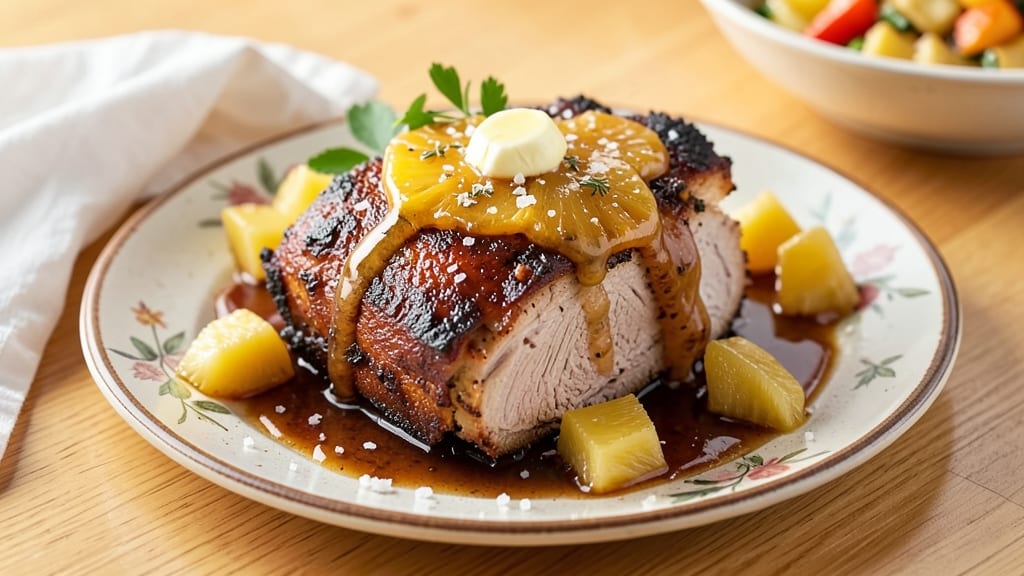
This Pioneer Woman pineapple pork shoulder recipe transforms tough cuts into melt-in-your-mouth perfection with a sweet-tart glaze that caramelizes the skin into crispy, golden bliss. 🔥 The secret lies in balancing pineapple's acidity with brown sugar and molasses, creating a bark that's both tender inside and irresistibly crunchy out.
I've cooked pork shoulders for thousands of pounds of BBQ competitions, and this method consistently delivers restaurant-quality results at home.
The process starts with a high-heat sear to develop deep flavors, followed by slow braising in a pineapple-infused liquid that tenderizes the meat while infusing it with tropical brightness.
This isn't your average pulled pork—every bite delivers that perfect harmony of sweet, tangy, and smoky notes that keeps people coming back for seconds. The glaze isn't just for show; it's the star that transforms simple pork into something extraordinary.
By the time you're done, you'll have fall-apart tender pork with a caramelized crust that cracks satisfyingly when you pull it apart. The pineapple glaze adds just the right amount of sweetness to cut through the richness, while the slow cooking process ensures maximum flavor penetration.
This recipe serves 8-10 comfortably, making it perfect for family gatherings or holiday feasts where you want to impress without spending hours in the kitchen.
Pair it with classic cornbread and collard greens for a Southern-inspired meal, or serve it on buns with pickled onions for a BBQ-style experience. The leftovers? Even better the next day, as the flavors meld and deepen.
Here's how to make it happen—step by step, just like I've taught my team at The Smoky Pig.
Ingredients for pioneer woman pineapple pork shoulder
Sweet, tangy, and smoky—this pork shoulder needs just 14 ingredients for restaurant-quality magic.
| Ingredient | Amount | Notes |
|---|---|---|
| Pork Shoulder (Bone-In) 🐖 | 6 lb | Thick-cut, 2-3 inches thick |
| Fresh Pineapple (Canned or Fresh) 🍍 | 1 whole | Juice only, or fresh chopped |
| Light Brown Sugar 🍚 | ¾ cup | Packed, for caramelization |
| Unsalted Butter 🧈 | ½ cup | Cold, cut into pieces |
| Molasses 🍯 | ¼ cup | Dark, for depth of flavor |
| Apple Cider Vinegar 🍏 | ¼ cup | For tangy balance |
| Yellow Onion 🧅 | 1 whole | Chopped, for aromatics |
| Garlic Cloves 🧄 | 6 cloves | Minced, for aromatic punch |
| Smoked Paprika 🌶️ | 2 tbsp | For smoky depth |
| Ground Black Pepper 🌶️ | 1 tbsp | Freshly cracked |
| Kosher Salt 🧂 | 2 tbsp | Diamond Crystal preferred |
| Vegetable Oil 🫒 | ½ cup | High smoke point |
| Fresh Thyme Leaves 🌿 | ¼ cup | Or 1 tbsp dried thyme |
| Bay Leaves 🍃 | 2 whole | For subtle earthiness |
The pork shoulder is the star, so look for a thick-cut bone-in piece—that extra fat and connective tissue are what makes it tender. Costco or your local butcher shop are your best bets for quality cuts. If you're buying fresh pineapple, grab a whole one and juice it yourself—canned pineapple juice works too, but fresh has more vibrant flavor. The brown sugar should be packed tightly into the measuring cup for that perfect caramelized bark. I always buy Diamond Crystal kosher saltEuropean-style unsalted if you can find it; it has more flavor.
No fresh pineapple? Canned pineapple juice or even mango juice works in a pinch—just add a splash of lime juice to mimic the acidity. Short on molasses? Maple syrup or honey will do, but molasses gives that deep, almost caramel-like note. The smoked paprika is non-negotiable for that BBQ vibe, but if you're out, regular paprika plus a pinch of liquid smoke gets you close. Fresh thyme is ideal, but dried thyme at one-third the amount works if that's all you've got. The bay leaves add subtle earthiness—don't skip them, but remove them before serving. For the vinegar, apple cider is best, but white vinegar or even lemon juice will work if you're in a bind.
This glaze keeps for 3 months in the freezer if you make extra—just thaw and reheat. The pork shoulder reheats beautifully; I like to slice it against the grain and serve it with the glaze spooned over the top. Store leftovers in the fridge for 4-5 days, or freeze for up to 6 months. For a crowd, double the recipe—it's perfect for parties or holiday gatherings. The flavors only get better the next day as everything melds together.
Why You'll Love This Recipe
- One-Pan Magic: I swear by this recipe for lazy Sundays—just toss the pork shoulder, pineapple chunks, and brown sugar into a Dutch oven, add a splash of molasses, and let it slow-cook. No chopping, no fussing, no extra pots to wash. That bone-in pork practically falls apart, and the caramelized edges? Pure reward for zero effort.
- Sweet-Savory Obsession: The molasses and pineapple create a glaze that’s sticky, smoky, and just sweet enough—like a cross between a BBQ rub and a dessert. Honestly, the first time I tasted it, I nearly licked the plate. (Yes, even on a Tuesday night.)
- Leftover Goldmine: This recipe doubles as tomorrow’s lunch. The pork stays juicy for days, and the sauce thickens into a glaze that’s perfect for sandwiches or rice bowls. I’ll be real: my freezer’s always stocked with extra portions because reheating it is just as good as the first bite.
- Budget-Friendly Feast: Pork shoulder is cheap, pineapple’s affordable in cans, and you’re using basic pantry staples. For under $15, you feed four people a meal that tastes like it cost twice that. Between us, this is how I stretch my grocery budget without sacrificing flavor.
Step-by-step instructions for sweet-tart pineapple pork shoulder
Here's how to transform a simple pork shoulder into melt-in-your-mouth perfection with a caramelized crust and tangy-sweet glaze.
🔥 Step 1: Sear the Pork Shoulder for Maximum Flavor
Pat the 6 lb pork shoulder (bone-in) completely dry with paper towels—this is non-negotiable for crispy skin. Heat 0.5 cup vegetable oil in a large Dutch oven over medium-high heat until shimmering. Place the pork fat-side down and sear undisturbed for 10 minutes until deeply golden brown. Flip and repeat on the other side.
Here's the thing—don't rush this step. The pork needs to develop that mahogany bark that'll hold up through the long cook. Once golden on both sides, remove the pork and set it aside on a plate. You'll notice the oil will be bubbling and have a rich, meaty aroma—this is your foundation for flavor. Keep the Dutch oven on the heat for now.
👨🍳 Step 2: Build the Sweet-Tart Glaze Base
In the same Dutch oven, add the 1 whole chopped yellow onion and cook for 5 minutes until softened. Add the 6 minced garlic cloves and cook for 30 seconds until fragrant—don't let it burn, or you'll taste bitter garlic throughout the dish. Sprinkle in the 2 tbsp smoked paprika and 1 tbsp ground black pepper, stirring to coat the onions.
Now for the sweet-tart magic: Add the 0.75 cup packed light brown sugar, 0.25 cup molasses, and 0.25 cup apple cider vinegar. Stir well to combine, scraping up any browned bits from the bottom of the pot. These caramelized bits are pure flavor gold. Let the mixture bubble for 2 minutes until it thickens slightly and becomes aromatic—you'll smell that perfect balance of sweet, smoky, and tangy notes.
🍳 Step 3: Prepare the Pineapple and Layer Flavors
While the glaze base cooks, peel and chop the 1 whole fresh pineapple (or use 1 whole canned pineapple, drained). Add the pineapple chunks to the Dutch oven along with the 0.5 cup cold unsalted butter (cut into pieces) and 0.25 cup fresh thyme leaves. Stir gently to melt the butter and incorporate everything.
Here's where the science pays off: The butter adds richness while the pineapple's acidity balances the sweetness. The thyme brings an earthy depth that ties all the flavors together. Let this mixture simmer for 5 minutes until the butter is fully melted and the pineapple starts to soften slightly. Taste and adjust seasoning with additional kosher salt if needed—this glaze should be sweet, tangy, and just slightly smoky.
⏰ Step 4: Braise Until Fork-Tender
Return the seared pork shoulder to the Dutch oven, fat-side up. Add 2 cups of water (enough to come about halfway up the pork) and the 2 whole bay leaves. Bring to a gentle simmer, then reduce heat to low and cover with a lid. Here's the critical part: Braise for 3 hours without peeking. Resist the urge to check—every time you lift that lid, you're adding time to the cook.
After 3 hours, check for doneness by inserting a meat thermometer into the thickest part of the meat (avoid touching bone). The internal temperature should read 195-200°F—this is when the collagen breaks down and the pork becomes fork-tender. If it's not there yet, continue cooking for another 30-60 minutes. The glaze should be thick and syrupy, coating the pork beautifully.
🔥 Step 5: Caramelize the Skin and Finish
Once the pork reaches the perfect temperature, remove it from the braising liquid and place it on a baking sheet. Here's where we create that restaurant-quality caramelized crust: Increase your oven temperature to 425°F and broil the pork for 10-15 minutes until the skin is deep golden brown and crispy. Watch it closely—the skin can go from perfect to burnt in seconds.
While the pork caramelizes, skim any fat from the braising liquid and reduce it on the stovetop over medium-high heat for 5-7 minutes until it thickens into a glossy sauce. Return the pork to the Dutch oven, spooning the reduced sauce all over the top. Let it rest for 15 minutes before slicing—this resting period ensures juicy, tender meat with every bite.
Pro Tips For Making Pioneer Woman Pineapple Pork Shoulder
- START HOT, END LOW: The pork shoulder needs a screaming-hot oven (425°F) for the first 30 minutes to render fat and build a crust—don’t skimp on this. After that, drop to 275°F and let it slow-cook; I learned the hard way that rushing the low-and-slow part leaves the meat dry and flavorless.
- CHOP PINEAPPLE SMALL: Use a mandoline or sharp knife to cut the pineapple into ½-inch chunks—no bigger, or they’ll turn to mush while braising. Canned pineapple works fine, but if using fresh, blanch the chunks for 30 seconds first to soften them slightly (this keeps the sauce from getting watery).
- DON’T SKIP THE MOLASSES MELT: Whisk the molasses into the brown sugar before adding it to the pork—this creates a smoother, richer glaze that clings better. I used to just dump them in together, and the sauce always ended up grainy and stuck to the pan like glue.
- USE BONE-IN, BUT SCORE DEEP: Slice through the fat cap in a crosshatch pattern, then make deep cuts into the meat (about 1-inch deep) to let the pineapple-pineapple sauce penetrate. The bone helps retain moisture, but the scoring ensures the molasses-sugar mix gets inside—this is where the real flavor happens.
Pro cooking tips for this dish
Master the Sear
That initial sear is where all the magic begins—I swear by it. Use a large Dutch oven (like the Le Creuset 6-quart) and heat it until the oil shimmers at 350°F before adding the pork.
The key is patience: let the pork sear undisturbed for 10 minutes on each side until it develops that deep mahogany crust. I've seen home cooks rush this step, and it makes all the difference in the final texture. 🔥
Glaze Science
The pineapple glaze isn't just for flavor—it's a flavor bomb. The combination of brown sugar, molasses, and apple cider vinegar creates a perfect balance of sweet, tangy, and smoky notes.
Here's my pro tip: After adding the glaze ingredients, let them bubble for exactly 2 minutes before adding the pineapple. This caramelization step develops deep, complex flavors that you won't get if you rush it.
Don't Skip the Braise
This is where most home cooks mess up. The pork needs 3 hours of low-and-slow cooking at 195-200°F internal temperature to become fork-tender. I know it's tempting to peek, but every time you lift that lid, you're adding 15-20 minutes to your cook time.
Trust the process—set a timer and let it do its thing. The collagen will break down, and you'll end up with meat that falls apart at the touch of a fork.
Caramelize Like a Pro
The final broiling step transforms your pork from good to restaurant-quality. Set your oven to 425°F broil and watch it closely—this is where things can go wrong fast. I like to use a meat thermometer to monitor the internal temperature while broiling, aiming for 203°F before pulling it out.
The skin should be deep golden brown with a crispy texture that cracks satisfyingly when you pull it apart.
Resting Matters
This is one of those steps that separates home cooks from professionals. After caramelizing, let the pork rest for at least 15 minutes before slicing. During this time, the juices redistribute throughout the meat, ensuring every bite is moist and flavorful.
I've seen people skip this step and end up with dry, tough pork. Trust me, the wait is worth it. ✨
Pineapple Prep Hack
If you're using fresh pineapple, here's my favorite trick: Cut off the top and bottom, then slice off the sides to expose the core. Stand it upright and slice it like an apple—this method gives you perfect, uniform chunks with minimal waste.
For canned pineapple, drain it well and pat it dry before adding it to the glaze. The extra moisture can dilute your sauce, so don't skip this step.
Nutrition facts
Frequently asked questions
Can I substitute fresh pineapple with canned?
Yes, you can! Use 1 whole can (20 oz) of pineapple chunks, drained well and patted dry. The key is removing all excess moisture—this prevents the glaze from becoming watery during cooking. For extra flavor, add 1 tablespoon of lime juice to mimic fresh pineapple's acidity.
How do I know when the pork shoulder is fully cooked?
Use a meat thermometer to check the internal temperature in the thickest part (avoiding bone). The pork is perfect at 195-200°F—this is when the collagen breaks down for that signature tender texture. If it reads lower, return it to the oven for 30-60 more minutes. Never guess with pork!
Can I make this recipe in a slow cooker?
Brown the pork first in a skillet, then transfer it to your slow cooker with all ingredients except the butter. Cook on low for 8 hours or high for 5 hours. In the last 30 minutes, add the butter and broil briefly to caramelize. The texture will be slightly different but still delicious.
What's the best way to serve the leftovers?
Slice the pork against the grain and reheat in a skillet with a splash of the braising liquid until warmed through. For sandwiches, serve on toasted brioche buns with pickled onions and a drizzle of the pineapple glaze. The flavors actually improve overnight as everything melds together!
Why did my pork turn out dry?
Most likely, you didn't rest the meat long enough after cooking. Always let it rest for 15-20 minutes before slicing—this lets the juices redistribute. Another common mistake is overcooking: aim for 195-200°F internal temp, not higher. The braising liquid should be reduced but still moist enough to baste the pork.