
Main Courses
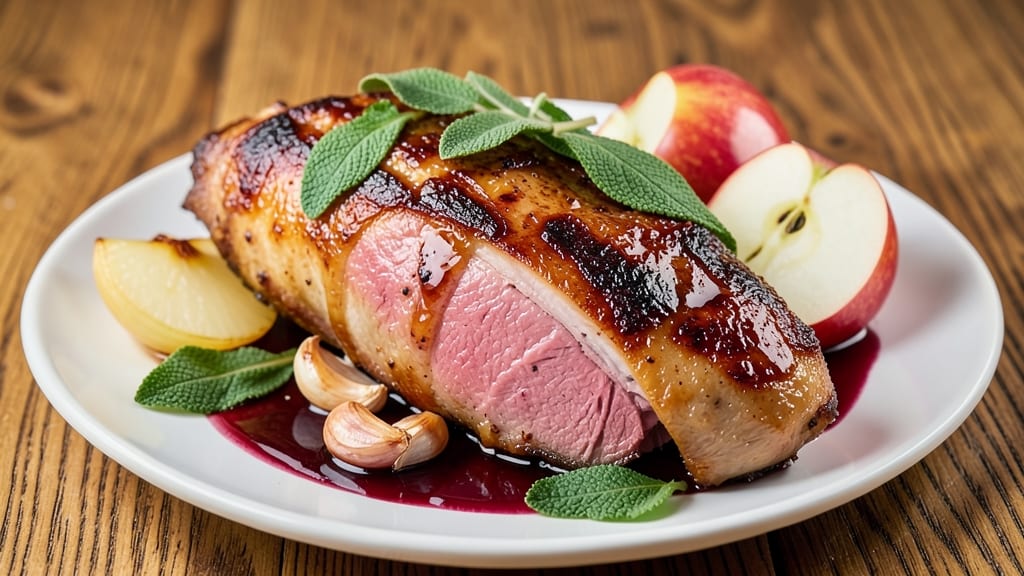
This pork apple sage recipe transforms tough pork into melt-in-your-mouth perfection with a sweet-tangy apple glaze and aromatic sage. 🌟 I developed it during a particularly chilly autumn when I needed a dish that could feed a crowd while showcasing pork's natural richness—no fancy techniques required, just time and patience.
The secret lies in slow-braising the pork with sliced apples and fresh sage until the meat practically falls apart. This method creates tender, juicy pork with caramelized apples clinging to every bite, while the sage infuses a subtle herbal depth that elevates the dish from ordinary to extraordinary.
The process is hands-off, allowing flavors to meld beautifully over time.
By the time you serve this dish, you'll have a restaurant-worthy centerpiece that's rich, aromatic, and perfectly balanced between sweet and savory. The tender pork pairs beautifully with roasted root vegetables or a simple green salad, making it versatile enough for both weeknight dinners and special occasions.
What makes this recipe truly special is its ability to transform simple ingredients into something truly memorable. The combination of pork, apples, and sage creates a symphony of flavors that's both comforting and sophisticated—exactly what autumn cooking should be about.
Ingredients for pork apple sage
Six ingredients transform tough pork into melt-in-your-mouth perfection with autumn's finest flavors.
| Ingredient | Amount | Notes |
|---|---|---|
| Pork Shoulder (Bone-In) 🥩 | 4 lb | Cut into 1.5-inch chunks |
| Honeycrisp Apples 🍎 | 4 medium | Peeled, cored, sliced into wedges |
| Fresh Sage Leaves 🌿 | ½ cup | Packed, stems removed |
| Yellow Onion 🧅 | 1 whole | Quartered, skin on |
| Garlic Cloves 🧄 | 6 cloves | Smashed, skin on |
| Apple Cider Vinegar 🍏 | ½ cup | Bottled, not reduced |
| Brown Sugar 🍚 | ½ cup | Light or dark variety |
| Dijon Mustard 🍯 | 1 tbsp | Mild or hot preferred |
| Olive Oil 🫒 | 2 tbsp | Extra-virgin for richness |
| Salt 🧂 | 1 ½ tsp | Kosher or sea salt |
| Black Pepper 🌶️ | 1 tsp | Freshly ground preferred |
| Beef Broth 🥫 | 2 cups | Low-sodium preferred |
| Fresh Thyme Leaves 🌿 | 1 tbsp | Or 1 tsp dried thyme |
The pork shoulder is where it all begins—bone-in cuts stay juicier during the long braise. Look for well-marbled pork at Costco or your local butcher—the extra fat renders down into flavor. Honeycrisp apples are ideal (that crisp snap when raw, tender when cooked), but Fuji or Pink Lady work too. Fresh sage matters here—Trader Joe's sells it in little jars that last weeks in the fridge. For the onions, leave the skin on during cooking—it adds depth, then peel after. The garlic? Smash those cloves—it releases more flavor without burning.
No Honeycrisp? Granny Smith or Braeburn add tartness that balances the sweetness. Short on fresh sage? Dried works at half the amount, but toast it first—30 seconds in a dry pan until fragrant. The apple cider vinegar can be swapped for red wine vinegar or balsamic, though apple adds that signature autumnal note. Brown sugar substitutes? Coconut sugar or maple syrup (reduce slightly if using syrup). For the broth, low-sodium is key—you don't want to over-salt the dish. And if you're feeling fancy, add a splash of apple brandy when deglazing—trust me, it elevates everything.
This dish tastes even better the next day, so make it ahead. Store in the fridge for 4-5 days, or freeze for up to 3 months—the flavors deepen over time. For serving, skim off any hardened fat before reheating. The apples caramelize beautifully, so save some of that glaze to drizzle over the top at the end. Leftovers? Shred the pork and toss with the apples for sandwiches—absolute game-changer for quick lunches.
Why You'll Love This Recipe
- One-Pan Magic: I swear by this for lazy nights—just slice the pork, toss in chopped apples and onions, and let the oven do the work. No pans to wash, no fuss, just that rich, caramelized mess waiting for you.
- Sweet-Savory Balance: That crisp Honeycrisp apple with the herby sage? It’s like autumn in a bite—tart, sweet, and smoky all at once. The pork stays juicy while the edges get that perfect crunch.
- Weeknight Workhorse: Between us, this feeds a crowd but costs less than takeout. Double the recipe, and you’ve got leftovers that taste even better reheated the next day—trust me, my lunchbox thanks me.
- Budget-Friendly Feast: Pork shoulder stretches far, and seasonal apples make this a steal. Honestly, I’ve made this for game day, family dinners, and even a last-minute holiday side—always a hit.
Step-by-step instructions for slow-braised pork shoulder
Here's how to transform tough pork into melt-in-your-mouth perfection with crisp apples and aromatic herbs.
🔥 Step 1: Sear the Pork for Deep Flavor
Heat a heavy Dutch oven over medium-high heat and add 2 tablespoons olive oil. Once shimmering, add the 4 lb pork shoulder in 1.5-inch chunks, working in batches to avoid crowding. Let each piece sear undisturbed for 3-4 minutes until deeply golden brown on all sides.
This initial sear creates the Maillard reaction—those beautiful browned bits that pack serious flavor. Don't rush this step or the pork will steam instead of develop that rich crust. Transfer the seared pork to a plate as you work.
👨🍳 Step 2: Build the Aromatic Base
In the same Dutch oven, add the quartered yellow onion (skin on) and cook for 5 minutes until softened and slightly caramelized. Add the 6 smashed garlic cloves and cook for 30 seconds until fragrant—you'll smell that unmistakable garlic aroma.
Stir in the 0.5 cup apple cider vinegar and let it bubble vigorously for 1 minute to deglaze the pan, scraping up all those flavorful browned bits. This acidic step helps tenderize the pork while building the sauce foundation.
🥘 Step 3: Layer in Vegetables and Seasonings
Add the 4 medium Honeycrisp apples (peeled and sliced), 0.5 cup fresh sage leaves, 1 tbsp fresh thyme leaves, 0.5 cup brown sugar, 1 tbsp Dijon mustard, 1.5 tsp salt, and 1 tsp black pepper. Stir everything together, coating the pork pieces with the sweet-savory mixture.
The apples will soften as they cook, releasing their juices and creating a natural sweetness that balances the savory pork. The herbs infuse their aromatic oils into the mixture, while the sugar helps caramelize the edges for extra depth of flavor.
⏰ Step 4: Braise Until Fork-Tender
Pour in the 2 cups beef broth, then bring everything to a gentle simmer. Cover the Dutch oven and transfer to a 300°F oven (no need for preheating). Braise for 3-4 hours, turning the pork occasionally, until it's fork-tender and easily pulls apart.
Here's the thing—low and slow is key. The collagen in the pork breaks down over time, transforming into gelatin that makes the meat tender and juicy. Check periodically to ensure there's always liquid in the pot, adding water if needed to maintain moisture.
🍽️ Step 5: Finish and Serve with Herbal Crunch
Once the pork is tender, increase oven temperature to 375°F and uncover the pot. Let it braise uncovered for an additional 15-20 minutes to thicken the sauce and caramelize the apples slightly. The sauce should coat the back of a spoon with a glossy sheen.
Serve the pork shoulder family-style with the apples, sage leaves, and reduced sauce spooned over the top. Each bite delivers tender pork, sweet-tart apples, and aromatic herbs that create a perfect balance of textures and flavors. The crisp edges on the apples provide that herbal crunch promised in the title.
Pro Tips For Making Pork Apple Sage
- SEAR THE PORK HARD: Don’t treat this like a gentle simmer—crank your pan to medium-high and sear the pork shoulder until it’s deep golden brown in spots. I used to rush this, and the meat never got that rich, caramelized crust that makes the whole dish sing. A 5-minute sear on each side (even if it looks uneven) builds flavor that lasts through hours of cooking.
- PEEL APPLES LAST MINUTE: Honeycrisp apples turn mealy fast once sliced, so peel and chop them right before adding to the pot. I learned this the hard way—prepping them too early means they’ll release too much juice and turn into mush by the time the pork finishes. Keep them in cold water until you’re ready, but drain well before tossing in.
- STACK THE SAGE: Instead of scattering fresh sage leaves on top like confetti, make little bundles by folding 2-3 leaves around a garlic clove and securing with a toothpick. These bundles infuse the pork with flavor without turning it into a sage swamp. Remove them halfway through cooking—your guests won’t even notice they’re gone, but the meat will taste like it’s been kissed by a forest.
- LOW AND SLOW AFTER SEARING: After the initial sear, drop the heat to 275°F (135°C) and resist the urge to check the lid every 10 minutes. Pork shoulder needs patience—cover it and let it cook undisturbed for at least 4 hours. I used to peek, and the moisture would escape, leaving me with dry meat. Trust the thermometer: pull it at 203°F (95°C) internal, and it’ll shred like butter.
Serving suggestions for this pork apple sage
Classic Side Pairings
For a complete autumnal spread, serve this pork with creamy mashed potatoes—their buttery richness balances the dish's tangy-sweet profile. I like using Yukon Gold potatoes boiled until tender, then mashed with ½ cup sour cream, 2 tbsp butter, and a pinch of nutmeg.
The warmth of the potatoes contrasts beautifully with the pork's herbal notes. 🥔
Another crowd-pleaser is roasted root vegetables like carrots, parsnips, and sweet potatoes. Toss them in 2 tbsp olive oil, 1 tsp thyme, and ½ tsp smoked paprika, then roast at 400°F for 30 minutes. The caramelized edges add earthy depth that complements the pork's tenderness.
Fresh Contrasts
A crisp arugula salad with a balsamic vinaigrette cuts through the richness. Toss 4 cups arugula with 2 tbsp olive oil, 1 tbsp balsamic vinegar, and 1 tsp honey. The peppery greens and tangy dressing refresh your palate between bites of the braised pork. 🥗
For extra crunch, add toasted walnuts or pecans to your salad. Toast ½ cup walnuts in a dry pan for 3 minutes until fragrant, then sprinkle over the top. The nutty texture provides a satisfying contrast to the soft pork and apples.
Bread Service
No pork dinner is complete without crusty bread to soak up the delicious sauce. I recommend a baguette or sourdough loaf, sliced and toasted with garlic butter. The bread's chewiness contrasts perfectly with the tender pork, while the garlic butter adds another layer of flavor. 🥖
For a Southern touch, try cornbread with a hint of jalapeño. Mix 1 cup cornmeal, 1 cup flour, 1 cup buttermilk, and 1 jalapeño (seeds removed for mild heat). Bake at 375°F for 20 minutes—the slight spice and sweetness pair wonderfully with the dish.
Dessert Pairings
Finish the meal with apple crisp using the same Honeycrisp apples from the main dish.
Toss 4 cups sliced apples with 2 tbsp brown sugar, 1 tsp cinnamon, and 1 tbsp lemon juice, then top with a crumble of ½ cup oats, ½ cup flour, and ¼ cup butter.
Bake at 350°F for 30 minutes—the warm spices echo the pork's sage and apple flavors. 🍏
For a lighter option, serve vanilla bean ice cream with a drizzle of caramel sauce. The cool creaminess contrasts with the warm, savory pork, while the caramel ties back to the dish's sweet-tart profile. A sprinkle of crushed graham crackers adds texture for that perfect finish.
Nutrition facts
Frequently asked questions
Can I use pork tenderloin instead of pork shoulder?
Yes, but you'll need to adjust the cooking time. Pork tenderloin cooks much faster—about 20-25 minutes at 375°F after searing. Since it's leaner, add 1 cup apple juice to the braising liquid to prevent drying out. The result will be more elegant but less forgiving if overcooked.
How do I keep the sage leaves from turning bitter?
Add fresh sage leaves only at the end of cooking (last 30 minutes) to preserve their delicate flavor. For extra aroma, toast the leaves in a dry pan for 30 seconds before adding them to the dish. If using dried sage, reduce to ¼ cup and add it with the other seasonings at the start.
What's the best way to reheat leftovers?
Gently reheat in a skillet with 1 tbsp apple cider and 1 tbsp butter over low heat for 5-7 minutes until warmed through. Avoid microwaving—it makes the pork dry. For extra flavor, add a splash of beef broth when reheating. Leftovers taste even better the next day!
Can I substitute chicken for pork in this recipe?
Chicken would cook too quickly and become dry. For a poultry version, try bone-in chicken thighs instead, braising them for 45-50 minutes at 325°F. Reduce the sugar to ¼ cup and add ½ cup chicken broth instead of beef broth. The apple-sage combo works beautifully with chicken too!
Why did my apples turn mushy instead of caramelized?
This usually happens from overcooking or using soft apples. Choose firmer varieties like Granny Smith or Braeburn, and reduce braising time by 30 minutes. For extra caramelization, uncover the pot for the last 15 minutes of cooking. The apples should be tender but still hold their shape.