
Main Courses
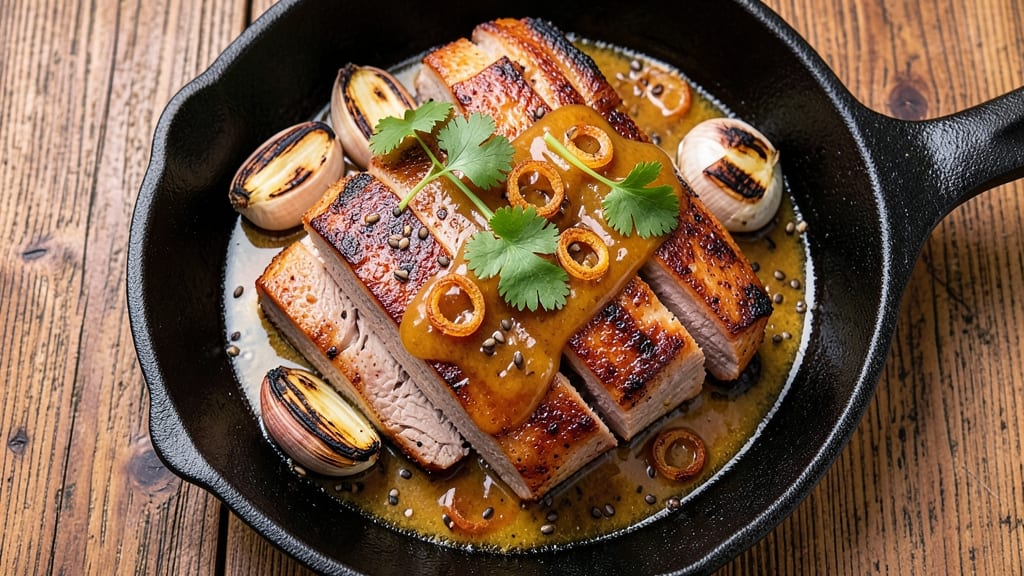
This pork asado recipe with pineapple juice transforms tough cuts into melt-in-your-mouth perfection through a tropical marinade that tenderizes and caramelizes. My grandmother used to swear by pineapple juice for breaking down meat—its natural enzymes work magic while adding a bright, sweet contrast to the smoky flavors.
The key is letting the pork marinate overnight, then basting with the same pineapple reduction as it cooks, creating a sticky, glaze-like finish that's impossible to resist.
The beauty of this recipe lies in its simplicity: just a few pantry staples and a grill (or oven) create restaurant-quality results. I've perfected the balance between the tangy-sweet pineapple and savory spices, ensuring every bite delivers juicy pork with a caramelized crust.
The marinade doubles as a basting sauce, so you won't waste a drop of that flavorful liquid—just reduce it slightly for an extra-rich glaze.
What you'll end up with is tender, caramelized pork slices that practically fall apart, all wrapped in that beautiful pineapple glaze. The aroma alone will have everyone gathering around your grill or oven, and the presentation—juicy meat with glossy caramelized edges—makes it feel special enough for company.
Serve with chimichurri, grilled vegetables, or rice to complete the meal.
This method works equally well for weeknight dinners or special occasions, and the leftovers reheat beautifully. The pineapple marinade keeps the meat moist even after reheating, so you won't lose that tender texture. Let's get cooking—your taste buds (and dinner guests) will thank you.
Ingredients for pork asado recipe with pineapple juice
Pineapple juice and spices transform tough pork into melt-in-your-mouth perfection with minimal effort.
| Ingredient | Amount | Notes |
|---|---|---|
| Pork Shoulder (Bone-In) 🥩 | 2 ½ lb | Cut into 1-inch thick slices |
| Fresh Pineapple Juice 🍍 | 1 ½ cups | From 1 large pineapple (or bottled) |
| Garlic Cloves 🧄 | 6 cloves | Minced for marinade |
| Orange Juice 🍊 | ½ cup | Freshly squeezed preferred |
| Olive Oil 🫒 | ¼ cup | Extra-virgin for richness |
| Ground Cumin 🌿 | 1 tbsp | Toasted for deeper flavor |
| Smoked Paprika 🌶️ | 1 tbsp | For smoky depth |
| Brown Sugar 🍚 | 2 tbsp | Light or dark |
| Salt 🧂 | 1 ½ tsp | Diamond Crystal kosher |
| Black Pepper 🌶️ | ½ tsp | Freshly ground |
| Fresh Cilantro 🌿 | ¼ cup | Chopped for garnish |
| Lime Wedges 🍋 | 2 whole | For serving |
| Fresh Jalapeño 🌶️ | 1 whole | Sliced, optional for heat |
| Chimichurri Sauce 🌿 | ½ cup | Store-bought or homemade |
The pork shoulder is non-negotiable here—its fat content keeps the meat juicy while the bone-in cut adds incredible flavor. Trader Joe's and Costco often have great deals on bone-in pork shoulder, but any grocery store's butcher section will have it. Look for cuts with good marbling—those white fat streaks are your secret weapon for juiciness. If you can't find bone-in, use pork loin and adjust cooking time. The pineapple juice should be fresh if possible—Dole or Del Monte bottled juice works in a pinch, but homemade from a fresh pineapple has that bright, tropical punch. My grandmother always used fresh, and I've never gone back.
No fresh pineapple? Canned crushed pineapple in water (drained well) works, but it's less vibrant. The orange juice can be swapped for grapefruit juice if you prefer a more bitter contrast. Running short on smoked paprika? Regular paprika plus a pinch of cayenne mimics that smoky flavor. The brown sugar is crucial—it caramelizes beautifully during cooking, creating that sticky glaze. If you're avoiding sugar, coconut sugar works just as well. For the chimichurri, store-bought is fine, but homemade (parsley, garlic, olive oil, red wine vinegar) takes this dish to the next level. The jalapeño is optional but adds a nice kick—remove seeds for less heat.
Marinate the pork overnight in the fridge for maximum tenderness. The longer it sits, the more the pineapple enzymes work their magic. When grilling, baste frequently with the reduced marinade—this creates that signature caramelized crust. Leftovers reheat beautifully—just add a splash of water or pineapple juice to keep them moist. Store in an airtight container for up to 4 days. For extra flavor, freeze portions of the pineapple marinade in ice cube trays—perfect for future quick marinades. The chimichurri keeps for 5 days in the fridge, so make extra for other dishes.
Why You'll Love This Recipe
- Minimal Chopping Required: I swear, the prep is almost too easy—just rough-chop the garlic, juice the pineapple, and let the oven do the rest. No dicing, no mincing, just hands-off magic while the pork transforms itself.
- Tangy-Sweet Magic: That pineapple juice isn’t just a marinade—it’s the secret weapon. The acid tenderizes the pork while the natural sweetness caramelizes into a glossy, sticky crust. (Yes, even my picky teenager licks the plate.)
- Leftovers That Shine: This recipe actually improves the next day. The pork gets even more fall-apart tender, and I repurpose it into tacos, sandwiches, or fried rice without breaking a sweat. (Budget win, flavor win.)
- One-Pan, Crowd-Pleaser: Feed six people for the price of two steaks—bone-in pork shoulder stretches further than chicken, and the citrusy glaze makes it feel fancy. Honestly, I’ve served it at BBQs, potlucks, and lazy Sundays with zero complaints.
Step-by-step instructions for pork asado with pineapple juice
Transform simple ingredients into restaurant-worthy pork asado with this tropical marinade technique.
Prepare the Tropical Marinade
In a large bowl, combine the 1.5 cups fresh pineapple juice, 0.5 cup orange juice, 0.25 cup olive oil, 6 minced garlic cloves, 1 tbsp ground cumin, 1 tbsp smoked paprika, 2 tbsp brown sugar, 1.5 tsp salt, and 0.5 tsp black pepper. Whisk vigorously until the brown sugar dissolves completely and the mixture becomes homogeneous.
This marinade works its magic through the acidity of the pineapple and orange juice, which tenderizes the pork while infusing it with vibrant tropical flavors. The spices and brown sugar create a beautiful caramelized crust during cooking. Let the marinade sit at room temperature for 10 minutes to allow the spices to bloom and release their aromatic oils.
Coat and Marinate the Pork
Cut the 2.5 lb bone-in pork shoulder into 1-inch thick slices and place them in a resealable plastic bag. Pour the marinade over the pork, ensuring each slice is thoroughly coated. Seal the bag tightly and massage the marinade into the meat for 1 minute to ensure even distribution.
Refrigerate the pork for at least 4 hours, but overnight is ideal for maximum tenderness and flavor penetration. The acidity in the marinade will begin breaking down the muscle fibers, while the spices and sugars create a flavorful crust. If you're short on time, marinate for at least 2 hours—just be prepared for slightly less tender meat.
Sear the Pork for Maximum Flavor
Remove the pork from the refrigerator 30 minutes before cooking to bring it to room temperature. Heat a large skillet over medium-high heat and add the marinated pork slices, reserving ½ cup of marinade for later. Sear the pork for 3-4 minutes per side until it develops a deep golden-brown crust and releases easily from the pan.
The searing step is crucial—it locks in juices and creates that irresistible caramelized exterior. Don't overcrowd the pan, or the pork will steam instead of sear. Transfer the seared pork to a plate and tent loosely with foil to keep it warm while you prepare the finishing sauce.
Finish with Chimichurri and Tropical Garnishes
Return the reserved ½ cup marinade to the same skillet and bring to a gentle simmer over medium heat. Reduce by half—about 2-3 minutes—until it thickens slightly into a glossy glaze. Remove from heat and stir in the 0.5 cup chimichurri sauce until fully incorporated.
Return the seared pork to the skillet and coat thoroughly with the chimichurri-marinade mixture. Garnish each serving with chopped fresh cilantro, sliced fresh jalapeño, and 2 lime wedges. The chimichurri adds a bright, herby contrast to the sweet and smoky pork, while the lime and jalapeño bring freshness and a touch of heat.
Serve Immediately for Juicy Perfection
Transfer the pork asado to serving plates and serve immediately while still sizzling. The combination of tender, juicy pork with the tropical marinade and herby chimichurri creates a harmonious balance of flavors. Pair with warm tortillas, grilled vegetables, or a simple side salad to complete the meal.
Each bite should deliver a perfect marriage of sweet, smoky, and tangy flavors with a tender, juicy texture. The key to success lies in the marinade and proper searing—don't rush either step. This dish is all about transforming simple ingredients into something extraordinary through careful technique and bold flavors.
Pro Tips For Making Pork Asado Recipe With Pineapple Juice
- USE A DUTCH OVEN FOR CRISP: I learned this the hard way—cast iron or stainless steel makes all the difference. The pork shoulder needs that heavy, even heat to render fat properly and develop a proper crust, especially when you’re basting with pineapple juice. If you don’t have one, a heavy pot with a tight lid works, but don’t skimp on the heat.
- STRAIN THE PINEAPPLE JUICE: Fresh pineapple juice is fantastic, but the pulp clogs your braising liquid and makes the sauce grainy. Strain it through a fine-mesh sieve or cheesecloth—yes, it takes 2 minutes, but your sauce will be silky instead of gloppy. Skip this, and you’ll be scraping pulp off your plate all night.
- BASTE WITH THE JUICE MIX: Don’t just pour pineapple juice over the pork—mix it with the orange juice and garlic first. The acid balance is what tenderizes the meat and cuts through the richness, but you need that garlic-infused base to actually penetrate. I used to do it separately, and the flavor was half as deep.
- LET THE PORK REST BEFORE SLICING: I know, you’re starving, but give it a solid 5-10 minutes under foil. The meat will reabsorb juices instead of leaking all over your cutting board. If you’re impatient (like me), at least tent it loosely—just don’t skip this, or your slices will be dry and sad.
Essential equipment for pork asado recipe with pineapple juice
Grill Essentials
For authentic asado flavors, a charcoal grill is ideal—it gives that smoky depth the pineapple marinade craves. I swear by my Weber Original Kettle (about $120) for its even heat distribution.
If you're grilling indoors, a stainless steel grill pan (like the Cuisinart MG-712) works beautifully for the same sear. For those with limited space, a portable propane grill (such as the Char-Broil Classic) is a game-changer for balconies or small patios. 🔥
Oven Alternatives
No grill? No problem. A heavy-duty cast iron skillet (like my trusty Lodge 12-inch) on the stovetop mimics grill marks perfectly. For oven roasting, use a half-sheet pan lined with foil and preheat to 425°F.
I also love my Breville Smart Oven Air Fryer for quick weeknight versions—set to 375°F with the air fry function for that caramelized crust.
Basting Tools
Basting is where the magic happens! A long-handled silicone brush (like the OXO Good Grips) lets you glaze the pork without burning yourself. For extra precision, a small metal baster (such as the Norpro 20001) works wonders.
My grandmother always used a wooden spoon—it's rustic and effective, but silicone lasts longer and won't absorb flavors.
Temperature Control
Invest in a meat thermometer—I use the ThermoWorks Smoke ($30)—to ensure the pork hits 145°F internal temperature for perfect doneness. For grilling, maintain a medium-high heat zone (about 375-400°F) and a direct heat zone for searing.
If using the oven, a digital thermometer probe keeps things foolproof. Pro tip: Let the pork rest for 10 minutes before slicing—this keeps it juicy! 🌡️
Marinade Storage
Store leftover marinade in glass jars (like Ball Mason jars) in the fridge for up to 5 days. I keep a jar in my freezer at all times—just thaw overnight and reuse.
For easy basting later, freeze marinade in ice cube trays and transfer to a bag. This way, you always have a quick marinade ready for last-minute grilling.
Serving Gear
Presentation matters! I use wooden cutting boards (like the John Boos Walnut) to keep the meat warm while slicing. For serving, ceramic platters (such as Le Creuset) elevate the dish instantly.
Don't forget lime wedges and jalapeño slices—they add freshness and color. A chimichurri spoon (just a small bowl with a spoon) keeps the sauce handy for drizzling. 🍋
Nutrition facts
Frequently asked questions
Can I use canned pineapple juice instead of fresh?
Yes, but fresh pineapple juice delivers the best results! Canned juice works in a pinch, but it lacks the vibrant brightness of fresh. If using canned, choose crushed pineapple in water (not juice), drain it well, and add 1 extra tablespoon of brown sugar to compensate for the lack of natural sweetness. The texture will be slightly less glossy, but the flavor will still shine.
What's the best way to cook this if I don't have a grill?
A heavy-duty cast iron skillet on the stovetop works perfectly for grill-like results! Preheat it over medium-high heat until smoking hot, then sear the pork slices for 3-4 minutes per side until caramelized. For oven cooking, roast at 425°F on a half-sheet pan for 20-25 minutes, basting with reduced marinade every 5 minutes. The air fryer also works well at 375°F for 12-15 minutes.
How do I prevent the pork from drying out?
The key is proper marinating and basting! Never skip the overnight marinade—this breaks down tough fibers for juicy results. During cooking, baste frequently with the reduced marinade to keep moisture locked in. Let the pork rest for 10 minutes after cooking before slicing (this redistributes juices). If reheating leftovers, add a splash of pineapple juice to the pan to prevent drying.
Can I make this recipe ahead of time?
This dish actually tastes better the next day. Cook the pork as directed, then refrigerate in an airtight container for up to 4 days. Reheat gently in a skillet with a splash of pineapple juice or water until warmed through. The flavors deepen overnight, and the texture remains tender. You can even freeze portions of the cooked pork for up to 3 months—just thaw in the fridge before reheating.
What are the best sides to serve with this?
Classic pairings include grilled vegetables (bell peppers, onions, zucchini), white rice, or warm tortillas. For a tropical twist, serve with coconut rice or a mango avocado salad. The chimichurri sauce also works beautifully with grilled shrimp or chicken. My grandmother always served it with plantain chips for crunch—simple but delicious!