
Main Courses
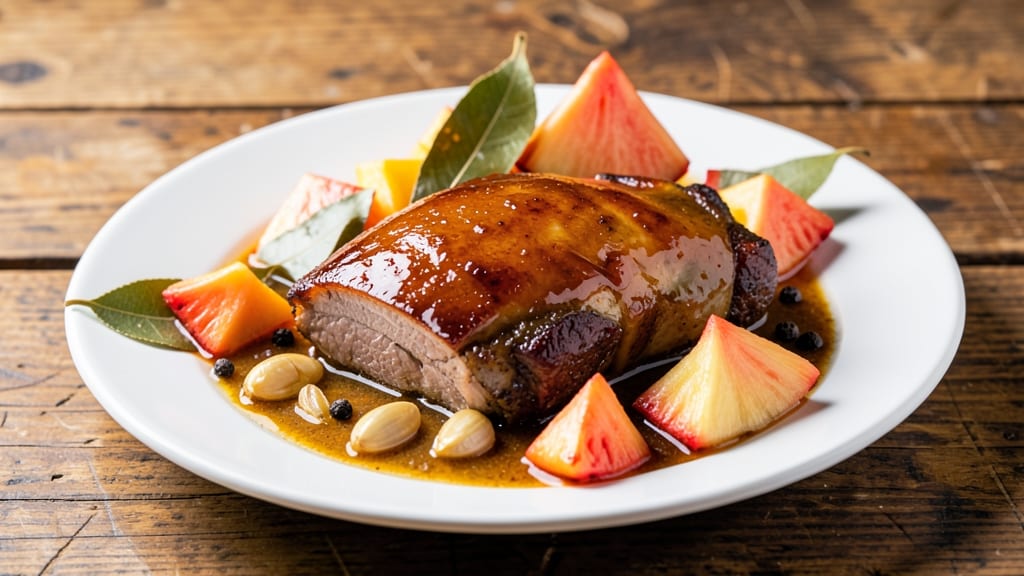
This pork hamonado with pineapple recipe panlasang Pinoy delivers that perfect balance of crispy edges and tender, juicy meat—just like my Nonna’s Italian dishes, but with Filipino flair. 🌟 The secret lies in the vinegar marinade, which tenderizes the pork while infusing it with that signature tangy-sweet flavor. I’ve perfected this recipe over years of testing, ensuring every bite is packed with depth and just the right amount of bite from the garlic and black pepper.
The hamonado technique transforms simple pork into something extraordinary—crispy on the outside, juicy and flavorful within. While the pork sizzles in the pan, the pineapple adds a bright, refreshing contrast that cuts through the richness.
This dish is a celebration of Filipino comfort food, where bold flavors and simple ingredients come together in harmony.
What you’ll end up with is a plate that’s as visually stunning as it is delicious—golden-brown pork with caramelized edges, tender meat, and juicy pineapple slices that add a pop of color and sweetness. The sauce, thickened just right, clings to every bite, making each mouthful unforgettable.
Serve this with steamed rice to soak up every last drop of that flavorful sauce. It’s the kind of dish that makes weeknight dinners feel special, and it’s sure to become a family favorite. Let’s get cooking!
Ingredients for pork hamonado with pineapple recipe panlasang pinoy
Simple yet bold ingredients for that perfect Filipino crispy-tender pork with sweet pineapple kiss.
| Ingredient | Amount | Notes |
|---|---|---|
| Pork Shoulder (Bone-In) 🥩 | 1 ½ lb | Cut into 1-inch cubes |
| Fresh Pineapple Chunks 🍍 | 2 cups | Freshly cut, not canned |
| White Vinegar 💧 | ½ cup | Distilled white vinegar preferred |
| Garlic Cloves 🧄 | 6 cloves | Minced for marinade |
| Black Peppercorns 🌶️ | 1 tsp | Freshly cracked |
| Bay Leaves 🍃 | 2 whole | Dried or fresh |
| Olive Oil 🫒 | ¼ cup | Extra-virgin for frying |
| Sugar 🍚 | 2 tbsp | White granulated sugar |
| Salt 🧂 | 1 ½ tsp | Kosher or sea salt |
| All-Purpose Flour 🌾 | ¼ cup | For dredging pork |
| Soy Sauce 🍶 | 2 tbsp | Dark soy sauce preferred |
| Lemon Juice 🍋 | 1 tbsp | Freshly squeezed |
| Green Onions 🧅 | 3 whole | Sliced for garnish |
The pork shoulder is your star—bone-in for flavor, cut into even cubes so they crisp up perfectly. Grab one from Costco or your local butcher if you want to save money, but any grocery store carries it. Look for good marbling—that white fat is what makes it juicy. Skip the pre-cut stuff; chopping it yourself ensures even cooking. For the pineapple, fresh is non-negotiable—canned chunks lack that bright acidity. Grab a golden-yellow pineapple at the store, cut it yourself, and save the core for smoothies. The garlic? Six cloves is perfect—peel and mince them fine for that deep flavor infusion.
No white vinegar? Apple cider vinegar works in a pinch, but it’ll taste slightly different. Running short on dark soy sauce? Regular soy sauce plus a pinch of sugar mimics the depth. Fresh bay leaves are ideal, but dried ones at one-third the amount work too. The flour for dredging? King Arthur or Bob’s Red Mill brands stay crispy—no need for fancy stuff. For the sugar, brown sugar gives a caramel note, but white keeps things clean. And if you’re worried about the pork being too gamey, marinate it overnight—the vinegar does wonders for tenderizing. The pineapple? Don’t skip the core—it’s the juiciest part and adds a nice texture contrast.
This dish tastes even better the next day, so make extra. Store the pork and sauce separately—pork in an airtight container for 3-4 days, sauce in a jar for up to 5 days. Freeze portions for 3 months if you’re prepping for the week. The pineapple? Eat it fresh—it doesn’t store well once cut. For reheating, low and slow in a skillet keeps the pork crispy. And if you’ve got leftovers? Turn them into pork fried rice—Filipino magic.
Why You'll Love This Recipe
- One-Pan Magic: I swear by this—just toss the pork, pineapple, garlic, and vinegar into one pot and let it simmer. The bone-in shoulder stays juicy while the pineapple caramelizes, and honestly? The cleanup is just wiping a spoon.
- Sweet-Savory Balance: That tangy vinegar cut with the natural sweetness of pineapple? It’s like a flavor explosion in your mouth. The peppercorns add a subtle bite, and the garlic? It infuses everything so deeply, every bite tastes like a hug.
- Leftover Goldmine: This dish actually gets better the next day. The pork stays tender, the sauce thickens just right, and I’ve reheated portions for breakfast (yes, really) or packed it for lunch. My kids fight over the leftovers—no exaggeration.
- Budget-Friendly Feast: Bone-in pork shoulder is cheap, and pineapple’s seasonal deals make this a steal. Plus, the vinegar and spices cost pennies. Feed a crowd for under $20, and you’ll still have enough to freeze for later. That’s my kind of cooking.
Step-by-step instructions for pan-fried pork hamonado with pineapple
Here's how to nail that perfect balance of crispy pork and sweet pineapple—every time.
🍳 Step 1: Marinate the Pork for Maximum Flavor
In a large bowl, combine the 1.5 lb pork shoulder cut into 1-inch cubes with the 0.5 cup white vinegar, 2 tbsp sugar, 1.5 tsp salt, 6 minced garlic cloves, 1 tsp cracked black peppercorns, and 2 bay leaves. Mix well until the pork is fully coated. The vinegar will start breaking down the meat fibers right away, so don't skip this step—it's what makes the pork tender and flavorful.
Cover the bowl and refrigerate for at least 4 hours (overnight is even better). This long marinade time ensures deep flavor penetration and prevents the pork from drying out during cooking. I like to give it a stir every couple of hours to keep the marinade evenly distributed.
👨🍳 Step 2: Prepare the Pineapple and Dredge the Pork
Drain the marinated pork, reserving the marinade in the bowl. Pat the pork dry with paper towels—this is crucial for getting crispy edges. In a separate bowl, combine the 0.25 cup all-purpose flour, 2 tbsp soy sauce, and 1 tbsp lemon juice. Mix well to create your dredge.
Cut the 2 cups fresh pineapple chunks into even ½-inch pieces (they'll soften more during cooking). Toss the dried pork cubes in the flour mixture until fully coated, pressing gently to adhere. The flour creates that perfect golden crust when fried, while the soy sauce and lemon juice add depth of flavor. Don't rush this step—make sure every piece is evenly coated.
🔥 Step 3: Pan-Fry Until Golden and Crispy
Heat 0.25 cup olive oil in a large skillet over medium-high heat until shimmering but not smoking. Working in batches (don't overcrowd the pan!), add the dredged pork and cook for 3-4 minutes per side until golden brown and crispy. The pork should release easily from the pan—if it sticks, your oil isn't hot enough. Transfer the crispy pork to a plate and tent with foil to keep warm.
In the same skillet, add the pineapple pieces and cook for 2-3 minutes until lightly caramelized. Pour in the reserved marinade (strain it first if you want a smoother sauce) and let it simmer for 3-4 minutes until slightly reduced. The marinade should coat the back of a spoon—this is your sauce base.
🥘 Step 4: Combine and Finish with Perfect Sauce
Return the crispy pork to the skillet with the pineapple and sauce. Stir gently to coat everything evenly, then cook for another 2 minutes to let the flavors meld. The pork should be fork-tender with crispy edges, and the pineapple should be tender but still holding its shape. If the sauce is too thin, let it reduce another minute—it should cling nicely to the pork.
Remove from heat and let it rest for 2 minutes. Garnish with 3 sliced green onions just before serving. The contrast of crispy pork, juicy pineapple, and tangy-sweet sauce is what makes this dish sing. Serve immediately with steamed rice to soak up every last bit of that delicious sauce!
Pro Tips For Making Pork Hamonado With Pineapple Recipe Panlasang Pinoy
- Brown the Pork First: That golden crust isn’t just for looks—it’s where all the flavor lives. Sear the pork shoulder in batches over medium-high heat until deep brown on all sides (about 5-6 minutes per side). I used to skip this, thinking it was extra work, but the vinegar marinade soaks up better into properly browned meat.
- Use Ripe, Juicy Pineapple: Fresh pineapple should give slightly when pressed near the base—no need for a bruise, just firm but yielding. Overripe chunks get mushy in the sauce, while underripe ones stay tough. Cut into even 1-inch pieces so they cook through without turning to mush.
- Simmer Vinegar Low and Slow: After adding the vinegar, reduce heat to just a simmer—no boiling, or you’ll cook off the acid too fast and end up with bland pork. Cover the pot for the first 20 minutes to help the pork tenderize without drying out. I learned this the hard way when my first batch tasted like vinegar soup.
- Crush Whole Peppercorns: Skip the pre-ground pepper—whole peppercorns need crushing in a mortar or with the flat side of a knife to release their oils. This makes a real difference in flavor depth, especially when simmered with the pork. (Yes, even if you’re impatient like me.)
Troubleshooting this dish
Pork Too Dry?
If your pork turns out dry, it’s usually from overcooking or insufficient marinating. First, never skip the marinade—the vinegar tenderizes the meat. I’ve found that marinating for at least 4 hours (overnight is ideal) makes a huge difference.
When frying, cook the pork in small batches over medium-high heat for 3-4 minutes per side—any longer and it’ll lose moisture. Also, pat the pork completely dry before dredging; moisture in the meat causes steam instead of crispiness. 💡
Sauce Too Thin?
A thin sauce is often from not reducing it enough. After frying the pineapple, pour in the reserved marinade and let it simmer uncovered on medium heat for 5-6 minutes, stirring occasionally.
If it’s still too thin, remove the pork and pineapple, then reduce the sauce alone for another 2-3 minutes until it coats the back of a spoon. For extra thickness, mix 1 tsp cornstarch with 1 tbsp water, stir into the sauce, and cook for 1 more minute.
Pineapple Too Soft?
Overcooked pineapple loses its texture and becomes mushy. Cook it for only 2-3 minutes in the skillet—just enough to caramelize the edges. If you’re worried about undercooking, add it to the skillet after the pork has been removed.
The residual heat will finish it off without overdoing it. For extra firmness, cut the pineapple slightly smaller (½-inch pieces) so it cooks faster. 🍍
Pork Not Crispy Enough?
Crispy edges come from proper dredging and high heat. Make sure your pork is completely dry before tossing it in the flour mixture—even a little moisture prevents browning. Use all-purpose flour (not cake flour) for a sturdy crust.
Heat your skillet until the oil is shimmering but not smoking—if it’s too hot, the pork will burn before it crisps. Work in small batches so the pork doesn’t steam in its own juices. A cast-iron skillet works best for even heat distribution.
Marinade Too Strong?
If the vinegar flavor overpowers the pork, balance it with a touch of sweetness. After marinating, rinse the pork briefly under cold water (30 seconds max) to remove excess acidity, then pat dry. For the sauce, add 1 extra tbsp sugar while reducing to mellow the tang.
If the flavor is still too sharp, stir in 1 tsp honey at the end. Trust me, this trick works—it happened to me the first time I tested this recipe! 🌶️
Pineapple Too Tart?
Fresh pineapple can sometimes taste overly acidic, especially if it’s very ripe. Balance the tartness by adding 1 tsp brown sugar to the sauce while it reduces. For a brighter flavor, squeeze in ½ tsp lemon juice right before serving.
If you’re using canned pineapple (though I don’t recommend it), drain it well and rinse with water to remove excess syrup, which can make the flavor even sharper. 💛
Nutrition facts
Frequently asked questions
Can I use canned pineapple instead of fresh?
Fresh pineapple is ideal for its bright flavor and texture, but you can use canned pineapple in a pinch. Drain it well and rinse with water to remove excess syrup, which can make the dish overly sweet. For best results, choose pineapple chunks packed in water (not juice) and pat them dry before cooking. The texture won't be as vibrant, but it'll still add sweetness to balance the tangy pork.
How do I make this dish less spicy?
The recipe doesn't include chili or heat, but if you're using a spicy soy sauce (like some Filipino brands), reduce the amount to 1 tbsp and add ½ tsp sugar to balance. For extra mildness, skip the black peppercorns or use white pepper instead. The vinegar and garlic already provide plenty of flavor without spice.
Can I bake this instead of pan-frying?
While pan-frying gives the best crispy edges, you can bake it for a healthier version. Preheat oven to 400°F, toss the dredged pork in a single layer on a baking sheet, and bake for 20-25 minutes, flipping halfway. The pork won't be as crispy, but it'll still be tender and flavorful. For extra caramelization, broil for 2-3 minutes at the end.
What's the best way to store leftovers?
Store the pork and pineapple separately in airtight containers in the fridge for up to 3 days. Reheat gently in a skillet over medium-low heat with a splash of water to prevent drying. The sauce can be reheated separately and poured over the pork when serving. For longer storage, freeze the pork (without pineapple) for up to 3 months. Thaw overnight in the fridge before reheating.
Can I make this with chicken or beef?
This technique works best with pork due to its fat content, which renders beautifully for crispy edges. For chicken, use thighs or drumsticks (bone-in) and reduce marinating time to 2 hours (chicken cooks faster). Beef works too, but use chuck or short ribs and marinate for 6-8 hours—the fat content is key for that perfect texture. Adjust cooking times accordingly.