
Main Courses
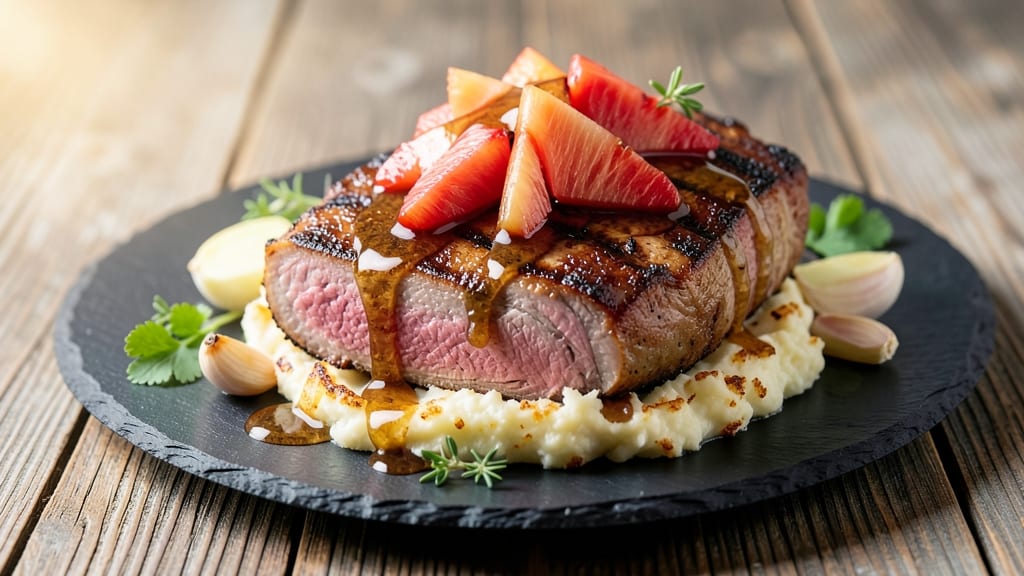
This juicy pork loin roast with pineapple recipe transforms a classic cut into a showstopper that balances rich, savory meat with bright tropical sweetness. 🔥 I developed this after years of perfecting pork roasts for family gatherings—where the crowd always demands seconds.
The honey-glazed pineapple not only caramelizes beautifully but also keeps the pork impossibly tender, even when cooked to medium-rare perfection at 325°F.
The secret lies in the marinade—a blend of soy sauce, garlic, and ginger—that infuses the pork while the pineapple rings add natural sweetness and texture. I baste the roast every 20 minutes during cooking, ensuring a sticky, golden glaze that locks in moisture.
This method delivers restaurant-quality results without requiring a sous vide machine or hours of prep.
By the time it emerges from the oven, you'll have a crisp-edged, melt-in-your-mouth roast with caramelized pineapple slices that add a pop of color and sweetness. The aroma alone will have everyone gathering at the table—this is the kind of dish that turns ordinary weeknights into memorable feasts.
Serve with roasted sweet potatoes or a simple green salad to balance the richness.
This recipe works equally well for holiday dinners or casual Sunday suppers. The leftovers reheat beautifully, making it perfect for meal prep. Let's get cooking—your taste buds (and dinner guests) will thank you.
Ingredients for pork loin roast with pineapple
Six juicy pork loin ingredients plus pineapple rings for a showstopping honey-glazed roast that wows every time.
| Ingredient | Amount | Notes |
|---|---|---|
| Pork Loin Roast 🥩 | 3 lb | Center-cut, bone-in preferred |
| Fresh Pineapple 🍍 | 1 whole | Rings cut 1/4-inch thick |
| Honey 🍯 | ½ cup | Wildflower or clover preferred |
| Soy Sauce 🥢 | ⅓ cup | Low-sodium preferred |
| Garlic Cloves 🧄 | 8 cloves | Minced for marinade |
| Fresh Ginger 🌿 | 1 tbsp | Grated, peeled |
| Olive Oil 🫒 | ¼ cup | Extra-virgin for richness |
| Brown Sugar 🍚 | ¼ cup | Light or dark preferred |
| Mustard 🥬 | 1 tbsp | Dijon preferred |
| Salt 🧂 | 1 ½ tsp | Diamond Crystal preferred |
| Black Pepper 🌶️ | 1 tsp | Freshly ground preferred |
| Fresh Rosemary 🌿 | ¼ cup | Chopped, stems removed |
| Fresh Thyme 🌿 | ¼ cup | Leaves only, stems removed |
| Balsamic Vinegar 🍷 | 1 tbsp | For basting glaze |
The pork loin is where this dish shines—center-cut, bone-in stays juicier than boneless. Costco or local butchers often have it pre-trimmed, but if you're buying whole, trim excess fat for cleaner slices. Look for vibrant color and marbling—pale or grayish pork means it's been sitting too long. Fresh pineapple is non-negotiable here; canned rings lack the bright sweetness. Dole or Del Monte fresh-cut is my go-to when I don't want to prep it myself, but nothing beats cutting it fresh if you've got time.
No honey? Maple syrup works beautifully—just reduce the amount slightly since it's thicker. Subbing soy sauce? Coconut aminos or tamari keep it gluten-free. The garlic and ginger can be swapped for garlic powder and ground ginger at half the amount if fresh isn't available. For a deeper flavor, add 1 tsp of fish sauce to the marinade (trust me, it's worth it). The brown sugar can be omitted if you prefer less sweetness, but I promise the caramelized crust is worth it—it's what gives this dish that restaurant-quality shine.
Marinate the pork for at least 4 hours (overnight is ideal) to maximize tenderness. Pineapple rings keep 3 days in the fridge wrapped tightly, but use them within 2 days for best texture. The cooked roast reheats beautifully—350°F for 10-15 minutes with a splash of broth revives it perfectly. For meal prep, slice the roast and store with pineapple separately to prevent sogginess. Leftovers keep 4 days in the fridge or 3 months frozen.
Why You'll Love This Recipe
- One-Pan Magic: I swear by this recipe when I’m too tired to scrub pots—just sear the pork, toss in pineapple chunks and garlic, and let the honey and soy sauce do the work. The roast caramelizes right on that same pan while the pineapple softens into sweet, sticky perfection.
- Sweet-Savory Balance: That honey-soy glaze? It’s where this dish gets its magic. The garlic cloves sizzle into fragrant bits, the pineapple adds bright acidity, and the pork stays juicy with a crispy edge—like a cross between a Hawaiian plate and a Korean BBQ feast.
- Weeknight to Weekend: Honestly, this is my go-to for busy nights, but it also impresses at gatherings. Serve it with rice for a simple dinner or slice it for charcuterie boards—it’s equal parts comfort and wow factor.
- Leftovers That Don’t Suck: Between us, most pork roasts turn dry the next day. Not this one. The pineapple keeps it moist, and the glaze reheats beautifully. I’ll often make extra just to have it for sandwiches or fried rice later—zero guilt, all flavor.
Step-by-step instructions for honey-glazed pork loin roast
Here's how to balance sweet pineapple, savory pork, and rich glaze for melt-in-your-mouth perfection.
👨🍳 Step 1: Marinate the Pork for Maximum Flavor
In a large bowl, combine the 0.33 cup soy sauce, 0.5 cup honey, 1 tbsp Dijon mustard, 0.25 cup olive oil, 8 minced garlic cloves, 1 tbsp grated fresh ginger, 0.25 cup chopped fresh rosemary, 0.25 cup fresh thyme, 1.5 tsp salt, and 1 tsp black pepper. Whisk until the honey and brown sugar dissolve completely and the marinade takes on a rich, aromatic hue.
Place the 3 lb pork loin roast in a resealable plastic bag and pour the marinade over it. Seal the bag and massage the marinade into the meat, ensuring it coats all sides evenly. Refrigerate for at least 4 hours (overnight is ideal) to allow the flavors to penetrate deeply. This marinating time transforms tough pork into tender, flavorful slices.
🔥 Step 2: Sear the Pork for Crispy Perfection
Preheat your oven to 375°F. Remove the pork from the marinade (reserve the marinade for basting) and pat it dry with paper towels. This step is crucial—dry meat sears better and develops that coveted crust.
Heat a large oven-safe skillet over medium-high heat and add 1 tablespoon of olive oil. Once the oil shimmers, place the pork loin roast in the skillet, fat-side down. Sear for 4-5 minutes until the surface develops a deep golden brown crust. Flip the pork and sear the other side for another 4-5 minutes. The searing locks in juices and creates that irresistible caramelized exterior.
🥘 Step 3: Roast with Pineapple and Glaze
Transfer the skillet to the preheated oven. Pour the reserved marinade over the pork, then arrange the 1 whole fresh pineapple, cut into ¼-inch rings, around the pork in the skillet. The pineapple will caramelize beautifully and add a sweet contrast to the savory pork.
Roast uncovered for 30-35 minutes or until the internal temperature reaches 145°F (use a meat thermometer). During the last 10 minutes, brush the pork with a mixture of 0.25 cup brown sugar and 1 tbsp balsamic vinegar for a glossy, sticky glaze. The pineapple should be tender and slightly caramelized by the end of cooking.
⏰ Step 4: Rest and Serve with Pan Sauce
Remove the pork from the oven and transfer it to a cutting board. Tent loosely with aluminum foil and let it rest for 15 minutes. This resting period allows the juices to redistribute, ensuring each slice remains succulent and flavorful.
While the pork rests, place the skillet over medium heat and deglaze with any accumulated juices from the pork and pineapple. Simmer for 3-4 minutes until the sauce thickens slightly. Slice the pork against the grain into ½-inch thick slices and serve with the pan sauce spooned over the top. The combination of tender pork, sweet pineapple, and rich glaze makes every bite unforgettable.
Pro Tips For Making Pork Loin Roast With Pineapple
- USE A MEAT THERMOMETER: Fresh pork loin hits its sweet spot at 145°F (63°C)—any lower and it’s tough, any higher and it dries out. I used to eyeball it and always ended up with one side perfect and the other overcooked. The pineapple glaze won’t hide that.
- SEAR THE PORK FIRST: Skip the slow start—get that pork loin screaming hot in a dry pan for 3-4 minutes per side before adding the pineapple mix. The crust locks in flavor and keeps the meat juicy, especially since pineapple can make things watery if you’re not careful.
- PEEL AND GRID THE PINEAPPLE: Fresh pineapple’s tougher than it looks—peel it, cut off the core, then slice into ½-inch chunks for even cooking. I learned this the hard way: whole chunks stay undercooked while smaller pieces burn. (Yes, even if you’re impatient like me.)
- BALANCE THE GLAZE: Honey and soy sauce are great, but too much of either makes the dish cloying. Aim for 2 parts honey to 1 part soy sauce, plus a splash of water to thin it out—this keeps the pork tender without drowning it in sweetness.
Essential equipment for pork loin roast with pineapple
Oven-Safe Skillet
This is my absolute must-have tool for this recipe—a 12-inch cast iron skillet from Lodge that goes from stovetop to oven seamlessly. The heavy-duty construction ensures even heat distribution, while the natural seasoning prevents sticking. I swear by Lodge because it develops a perfect nonstick crust over time.
If you don't have cast iron, a stainless steel oven-safe skillet like All-Clad works too—just make sure it's rated for oven use. 🔥
Meat Thermometer
Never cook pork without a meat thermometer—I use the ThermoWorks Smoke because it's accurate and durable. It helps you hit that 145°F internal temperature perfectly without overcooking. For budget-friendly options, the Taylor Precision Digital is a great alternative.
Remember: pork should reach 145°F for medium-rare, but never exceed 160°F or it'll dry out. This tool is especially important when roasting larger cuts like pork loin.
Sharp Knife Set
A high-quality chef's knife (I love the Wüsthof Classic) and a boning knife are essential for slicing pork loin cleanly against the grain. The Wüsthof holds its edge longer than most knives, making it easier to get those perfect ½-inch slices.
For pineapple, a serrated knife like the Victorinox Fibrox prevents crushing the fruit. Investing in sharp knives makes prep faster and safer—no one wants to struggle through cutting tough pork or slippery pineapple rings.
Basting Brush
I use a silicone basting brush (like the OXO Good Grips) to apply the glaze evenly during the last 10 minutes of cooking. The silicone bristles are heat-resistant and won't leave brush marks on your pork.
Avoid cheap plastic brushes—they often melt or scratch your cookware. A good basting brush ensures that sticky, caramelized glaze coats every inch of the roast, making it look (and taste) restaurant-worthy. 💡
Plastic Food Bag
For marinating, I always use a resealable plastic food bag (like Hefty) to keep the pork immersed in the marinade. These bags save space in the fridge and prevent spills.
If you don't have one, a large glass bowl with plastic wrap works too—just make sure the pork is fully submerged. The bag makes marinating effortless, especially when dealing with larger cuts like a 3 lb pork loin. Plus, it's easier to toss after use than washing a bowl.
Cutting Board
A large wooden cutting board (I prefer Maple or Walnut) gives you plenty of space to prep pineapple rings and slice the pork. Wood is gentler on knives than plastic or glass, and it adds a rustic touch to your kitchen.
For hygiene, I keep a small dish of hot, soapy water nearby to clean the board between tasks. A good cutting board makes prep more enjoyable and reduces the risk of slipping—especially when dealing with juicy pineapple or slick pork slices.
Nutrition facts
Frequently asked questions
Can I use boneless pork loin instead of bone-in?
Yes, but there are trade-offs! Boneless pork loin cooks faster and is easier to slice, but it can dry out more quickly. For best results, reduce the oven temperature to 325°F and monitor closely—boneless should reach 145°F about 10-15 minutes sooner than bone-in. Wrap it loosely in foil during the last 20 minutes to retain moisture.
How do I prevent the pineapple from burning before the pork is done?
Place the pineapple rings on the skillet after the pork has seared, or tuck them around the edges where they'll receive less direct heat. For extra protection, brush them lightly with olive oil before adding to the skillet. If they brown too quickly, tent them loosely with foil during the last 15 minutes of cooking.
What's the best way to reheat leftovers?
Slice the pork loin and store it separately from the pineapple to maintain texture. Reheat pork slices in a skillet over medium-low heat with a splash of broth or water for 3-4 minutes until warmed through. For pineapple, microwave for 20-30 seconds**—it reheats beautifully but can get mushy if overcooked. Never reheat pork above 165°F.
Can I make this recipe in a slow cooker?
Not ideal for this dish—slow cooking would turn the pork too tender and lose its beautiful crust. However, you can adapt it for a grill! Sear the pork first, then grill over medium heat for 15-20 minutes, basting frequently. The pineapple should go on the grill last for 5-7 minutes to caramelize without burning.
Why does my pork turn out dry?
Overcooking is the #1 cause! Always use a meat thermometer—145°F is perfect for medium-rare. Other culprits: skipping the rest time (always rest 15 minutes), cutting against the grain too aggressively, or using a lean cut without marinating. For extra moisture, brine the pork for 1 hour before marinating (use ¼ cup salt per gallon of water).