
Sauces & Condiments
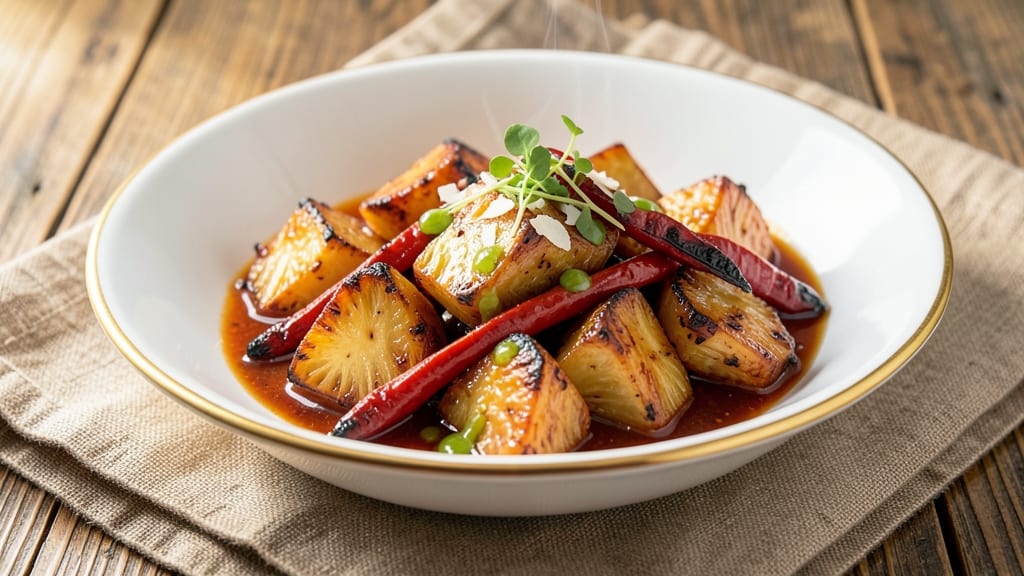
This roasted pineapple and habanero sauce recipe delivers a perfect balance of fiery heat and tropical sweetness that transforms ordinary grilled meats into extraordinary dishes.
The key lies in caramelizing the pineapple until it's tender and deeply aromatic while controlling the habanero's intensity—removing seeds and wearing gloves ensures a smooth, flavorful sauce without overwhelming heat.
I developed this recipe after years of experimenting with Caribbean-inspired glazes, and the result is a versatile condiment that works equally well on fish, chicken, or even as a dipping sauce for tacos.
The process starts with roasting pineapple chunks until they're soft and caramelized, then blending them with fresh habanero (seeds removed) for a bold, fruity base. A touch of vinegar brightens the flavors while brown sugar deepens the caramel notes, creating a sauce that's both complex and approachable.
What makes this recipe special is how it balances sweetness and heat—adjust the habanero to taste, but remember, the sauce intensifies as it sits, so start conservative if you're sensitive to spice.
Once you've achieved that perfect glaze—glossy, slightly sticky, and packed with fruity depth—you'll have a sauce that elevates any protein it touches. The caramelized pineapple adds natural sweetness, while the habanero provides a lingering, smoky heat that lingers on the palate.
This isn't just a condiment; it's a flavor experience that turns simple grilled meats into restaurant-worthy dishes.
Store the sauce in an airtight container in the refrigerator for up to one week, or freeze it for three months without losing its vibrant color or bold flavors.
It's ideal for glazing grilled shrimp, basting chicken thighs, or drizzling over tacos—each application delivers a burst of tropical sweetness with just the right amount of heat. Let's get started on creating this versatile, crowd-pleasing sauce.
Ingredients for roasted pineapple and habanero sauce
Tropical heat meets smoky sweetness in this bold sauce—just 10 ingredients transform grilled meats.
| Ingredient | Amount | Notes |
|---|---|---|
| Fresh Pineapple Chunks 🍍 | 2 cups | Caramelized until tender (peeled, cored) |
| Fresh Habanero Peppers 🌶️ | 2 whole | Seeds and ribs removed, gloves recommended |
| Apple Cider Vinegar 🍎 | ¼ cup | Brightens the fruity depth |
| Light Brown Sugar 🍚 | ½ cup | Packed for deeper caramel notes |
| Extra-Virgin Olive Oil 🫒 | ¼ cup | High-quality for richness |
| Fresh Lime Juice 🍋 | ¼ cup | Freshly squeezed for acidity |
| Garlic Cloves 🧄 | 3 cloves | Minced for aromatic depth |
| Salt 🧂 | 1 tsp | Diamond Crystal preferred |
| Ground Black Pepper 🌶️ | ½ tsp | Freshly ground for heat |
| Fresh Cilantro Leaves 🌿 | ¼ cup | Optional, for fresh finish |
The pineapple is non-negotiable here—look for fully ripe, golden-yellow fruit at Trader Joe's or Whole Foods for the best flavor. Cut it into even chunks so they caramelize uniformly. Habaneros vary wildly in heat, so wear gloves when handling and start with just one if you're sensitive. The brown sugar should be packed—lightly tap the measuring cup to settle it. For the olive oil, California Avocado Ranch or Colavita brands deliver that fruity depth that makes this sauce sing.
No habanero? Scotch bonnet or serrano peppers work in a pinch, but you'll lose some of that unique tropical heat. Subbing vinegar? White wine vinegar at half the amount keeps the brightness. Fresh cilantro missing? Fresh mint leaves add a different but equally vibrant note. The garlic can be roasted with the pineapple for extra depth—just toss it in the oven with the fruit. If you're making this ahead, reduce the habanero by half since the sauce intensifies as it sits. The lime juice is crucial—never skip it or the sauce will taste flat.
This sauce keeps beautifully in the fridge for one week—just store it in an airtight container with a thin layer of olive oil on top to preserve that glossy finish. For longer storage, freeze in ice cube trays for perfect single-use portions. The flavor actually improves after a day or two as everything melds together. I like to drizzle it over grilled shrimp or chicken, but it's also amazing as a dipping sauce for tacos or even on top of pizza. That caramelized pineapple gives it a natural sweetness that balances the habanero's heat perfectly.
Why You'll Love This Recipe
- One-Pan Magic: I swear by this—just toss pineapple chunks and habanero on a sheet pan, roast until caramelized, then blend with vinegar and sugar. No chopping, no mess, and the oven does all the work while you sip your coffee.
- Sweet Heat Balance: The habanero adds a fiery kick that actually works with the pineapple’s natural sweetness—no artificial flavors here. That brown sugar caramelizes into a sticky, tangy glaze that makes everything taste like a tropical vacation.
- Weeknight to Party: Slather it on grilled chicken for a dinner party, drizzle it over rice for a quick weeknight meal, or serve it as a dip with chips. Honestly, I’ve used it in tacos, over fish, and even as a marinade—it’s my go-to for when I’m lazy but want to impress.
- Makes Leftovers Worth It: Between us, this sauce tastes better the next day. The flavors meld into something deeper, and a little goes a long way. Store it in the fridge for up to a week, and you’ll always have a pantry shortcut for when cravings hit.
Step-by-step instructions for roasted pineapple and habanero sauce
This fiery-sweet glaze comes together with bold flavors and caramelized depth.
Roast the Pineapple and Habanero Peppers
Preheat your oven to 425°F and line a baking sheet with parchment paper. Arrange the 2 cups fresh pineapple chunks and 2 whole fresh habanero peppers (cut lengthwise into strips, seeds and ribs removed) in a single layer. Drizzle with 2 tablespoons of the extra-virgin olive oil and toss gently to coat.
Roast for 20-25 minutes until the pineapple is tender and caramelized with golden spots, and the habanero peppers are blistered and slightly charred. Watch closely after 15 minutes—you want them soft but not mushy. The aroma should be intense, sweet, and slightly smoky. Let them cool for 5 minutes before handling; habaneros pack serious heat when fresh.
Blend the Roasted Ingredients
Transfer the roasted pineapple and habanero strips to a food processor or blender. Add the 3 cloves minced garlic, 1 teaspoon salt, and ½ teaspoon ground black pepper. Pulse until everything is finely chopped but not completely smooth—you want some texture to carry the sauce's complexity.
With the processor running, slowly drizzle in the ¼ cup apple cider vinegar and ¼ cup fresh lime juice. This step brightens the sauce and balances the sweetness with tang. The mixture should look like a thick, vibrant puree with flecks of charred habanero. Taste and adjust seasoning—you might need a pinch more salt to balance the heat.
Simmer and Caramelize the Sauce
Pour the blended mixture into a medium saucepan and stir in the remaining 3 tablespoons extra-virgin olive oil and ½ cup light brown sugar. Bring to a gentle simmer over medium heat, then reduce to low heat. Let it cook uncovered for 10-12 minutes, stirring occasionally, until it thickens slightly and the sugar caramelizes into the mixture.
You'll know it's ready when the sauce coats the back of a spoon and develops a glossy sheen. The aroma should be a perfect blend of caramelized pineapple, smoky habanero, and bright citrus. If the sauce thickens too much, whisk in 1-2 tablespoons water to reach your desired consistency. Remove from heat and let it cool for 5 minutes—this allows the flavors to meld fully.
Finish and Adjust the Sauce
Stir in the ¼ cup fresh cilantro leaves and taste again. The cilantro adds a fresh, herbaceous note that cuts through the heat and sweetness. If the sauce needs more heat, add a pinch of cayenne or a dash of hot sauce. For extra richness, whisk in another 1 tablespoon olive oil.
This sauce is best used immediately, but it will keep in the refrigerator for up to 5 days in an airtight container. It pairs perfectly with grilled chicken, pork, or even as a dipping sauce for spring rolls. The balance of sweet, spicy, and tangy makes it incredibly versatile—don't be afraid to experiment!
Pro Tips For Making Roasted Pineapple And Habanero Sauce
- CHAR THE PINEAPPLE FIRST: Roast the pineapple chunks at 425°F (220°C) for 12-15 minutes before blending—it caramelizes the edges and deepens the sweetness without turning the sauce cloying. I used to skip this and wondered why my sauce always tasted flat; the Maillard reaction on the fruit is non-negotiable here.
- DESEED THE HABANEROS: Cut the habaneros lengthwise, scrape out the seeds and membranes with a spoon, then rinse the flesh under cold water. Those seeds pack a wallop, and you don’t want your sauce to be a one-note heat bomb. (If you’re really brave, leave a tiny bit of membrane for complexity—but know your crowd.)
- SIMMER THE VINEGAR LOW: Reduce the apple cider vinegar and sugar together over medium-low heat until it’s syrupy and just starting to darken—about 8-10 minutes. High heat burns it to vinegary ashes, and you’ll end up with a sauce that tastes like it was made in a hurry. Patience here makes the difference between "good" and "showstopper."
- SALVAGE THE HEAT: If the habanero heat feels overwhelming, blend in 1-2 tablespoons of the reserved roasted pineapple juice before adding the vinegar-sugar mix. It dilutes the capsaicin without watering down the sauce. (Yes, even if you’re impatient like me—trust the process.)
Troubleshooting great roasted pineapple and habanero sauce
Pineapple Too Dry
If your roasted pineapple chunks end up dry or tough instead of tender and caramelized, you likely roasted them too long or at too high a temperature. I recommend reducing the oven temperature to 400°F and roasting for 15-20 minutes instead of 425°F.
Also, ensure your pineapple is fully ripe—golden-yellow fruit caramelizes best. For extra moisture, toss the chunks with 1 tablespoon lime juice before roasting. 🍍
Sauce Too Thin
A runny sauce usually means you didn’t simmer it long enough or used too much liquid. To fix this, return the sauce to low heat and cook uncovered for an additional 5-10 minutes, stirring frequently.
If it still doesn’t thicken, mix in 1 tablespoon cornstarch with 1 tablespoon water, then stir it in until the sauce reaches your desired consistency. For prevention, reduce the apple cider vinegar to 2 tablespoons next time. 💡
Habanero Overpowering
If the habanero heat is too intense, you can balance it by adding more sweetness—1-2 tablespoons of brown sugar or 1 tablespoon of honey will help. Alternatively, stir in 2 tablespoons of plain yogurt or sour cream to cool the heat.
For future batches, reduce the habanero to 1 pepper or use scotch bonnet peppers, which are slightly milder. Always remove seeds and ribs to minimize heat. 🌶️
Sauce Too Sweet
If the sauce tastes cloyingly sweet, brighten it with more acidity. Add 1 tablespoon of fresh lime juice or 1 teaspoon of apple cider vinegar to cut through the sugar. You can also balance the sweetness by increasing the habanero slightly or adding a pinch of smoked paprika for depth.
For prevention, start with ¼ cup brown sugar and adjust to taste at the end. ✨
Blender Not Working
If your food processor struggles to blend the roasted ingredients smoothly, let the pineapple and habanero cool completely before blending—they’ll be easier to process. If they’re still too fibrous, pulse them in batches, scraping down the sides as needed.
For a smoother texture, strain the blended mixture through a fine-mesh sieve before simmering. A high-powered blender like Ninja or Vitamix handles this better than basic models. 💪
Storage Issues
If your sauce separates or develops mold after refrigerating, it likely wasn’t stored properly. Always transfer the sauce to an airtight glass container and press plastic wrap directly onto the surface to prevent oxidation. For longer storage, freeze in ice cube trays—thaw in the fridge overnight before using.
The sauce should last 5 days refrigerated or 3 months frozen. If it smells off, discard it—never risk food safety. ❄️
Nutrition facts
Frequently asked questions
Can I substitute habanero peppers with something milder?
Yes! For a milder kick, use scotch bonnet or serrano peppers, which are slightly less intense. If you're sensitive to heat, reduce the amount to 1 pepper instead of 2. For a non-spicy version, omit the habanero entirely and add 1 teaspoon of smoked paprika for depth instead.
How do I balance the sweetness and heat in this sauce?
The key is acidity! If the sauce tastes too sweet, add 1 tablespoon of lime juice or 1 teaspoon of apple cider vinegar to brighten it. For extra heat balance, stir in 1-2 tablespoons of plain yogurt or sour cream. Adjust gradually—taste as you go! The sauce mellows slightly as it cools, so start conservative.
What’s the best way to use this sauce?
This versatile sauce works as a glaze for grilled meats like chicken thighs or pork chops, a dipping sauce for tacos, or even a topping for spring rolls. For extra shine, simmer it with 1 tablespoon of honey before applying. The caramelized pineapple adds natural sweetness, while the habanero provides a lingering heat that pairs perfectly with protein-rich dishes.
Can I make this sauce ahead of time?
Store it in an airtight container in the fridge for up to 5 days, or freeze in ice cube trays for up to 3 months. The flavors actually improve after 24 hours as everything melds together. Thaw frozen portions in the fridge overnight for best results. The sauce thickens slightly when refrigerated, so whisk in 1 tablespoon of water if needed before using.
Why does my sauce look too thin?
A runny sauce usually means it didn’t simmer long enough. Return it to low heat and cook uncovered for 5-10 more minutes, stirring often. If it’s still too thin, mix 1 tablespoon cornstarch with 1 tablespoon water, stir it in, and cook for 1-2 minutes until thickened. For next time, reduce the apple cider vinegar to 2 tablespoons to prevent excess liquid.