
Main Courses
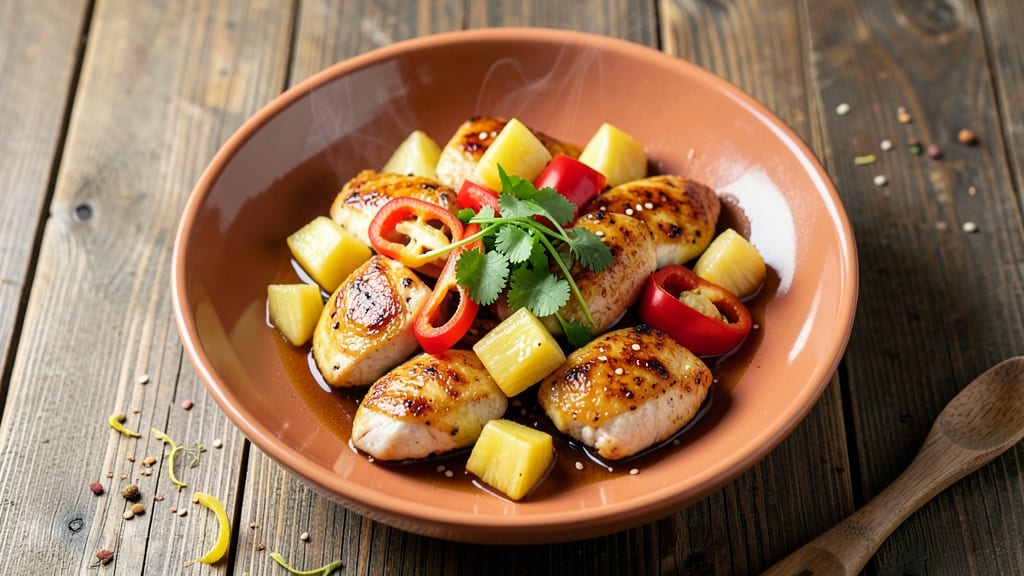
This sweet sour chicken pineapple peppers recipe transforms a weeknight dinner into a restaurant-worthy feast with just one pan. The secret lies in velveting the chicken for tender bites that stay juicy while absorbing the tangy-sweet sauce—no dry, rubbery texture here.
I perfected this version after years of testing, balancing the bright acidity of pineapple with just enough heat from bell peppers to keep it vibrant without overpowering.
What makes this recipe stand out is the one-pan simplicity that still delivers restaurant-quality results. You'll start with a quick marinade to tenderize the chicken, then stir-fry everything together—juicy chicken, crisp-tender peppers, and sweet pineapple—all coated in a glossy sauce that's perfectly balanced between sweet and sour.
The key is high heat for that caramelized crust on the chicken while keeping the peppers slightly crisp.
By the time you're done, you'll have a dish that's bursting with color and flavor—golden chicken, bright red peppers, and golden pineapple pieces all swimming in that glossy sauce.
It's the kind of meal that looks as impressive as it tastes, perfect for feeding a crowd or meal prepping for the week. The sauce clings to every bite, delivering that perfect balance of sweet, sour, and umami in every forkful.
Serve it over steamed jasmine rice or noodles to soak up every last bit of that tangy sauce, or enjoy it as-is for a complete meal. This recipe proves you don't need fancy techniques to create restaurant-quality food at home—just a few simple ingredients and the right balance of flavors.
Let's get cooking!
Ingredients for sweet sour chicken pineapple peppers
One-pan magic with chicken, pineapple, and peppers—juicy, tangy, and packed with color.
| Ingredient | Amount | Notes |
|---|---|---|
| Boneless Chicken Breast 🍗 | 1 ½ lb | Cut into 1-inch cubes |
| Fresh Pineapple 🍍 | 1 cup | Diced, fresh or frozen |
| Red Bell Peppers 🌶️ | 2 whole | Sliced into strips |
| Yellow Bell Peppers 🌶️ | 1 whole | Sliced into strips |
| Cornstarch 🌾 | 1 tbsp | For velveting chicken |
| Egg Whites 🥚 | 2 tbsp | For marinade |
| Soy Sauce 🍶 | 3 tbsp | Low-sodium preferred |
| Hoisin Sauce 🍶 | 1 tbsp | For umami depth |
| Brown Sugar 🍯 | 3 tbsp | Light or dark |
| Rice Vinegar 🍶 | 3 tbsp | White or seasoned |
| Sesame Oil 🫒 | 1 tbsp | Toasted for aroma |
| Garlic Cloves 🧄 | 4 cloves | Minced for marinade |
| Ginger Root 🌿 | 1 tbsp | Freshly grated |
| Vegetable Oil 🫒 | 2 tbsp | High smoke point |
| Green Onions 🧅 | 3 whole | Sliced for garnish |
The chicken needs to stay tender, so boneless breast is your best bet—cut it into even cubes so they cook at the same rate. Costco often has pre-cut chicken breast that saves time, but any grocery store will have it. Fresh pineapple is ideal (the sweetness pops more), but frozen works in a pinch—just thaw and drain it well. For the peppers, red and yellow give you that vibrant color, but any bell pepper will do. Look for firm, shiny peppers with no soft spots—those are the ones that'll hold up best during stir-frying. The key is to slice them evenly so they cook through without turning mushy.
No hoisin sauce? Substitute with extra soy sauce plus a dash of honey—it's not identical, but it'll get you close. Running short on rice vinegar? Apple cider vinegar works too, though it'll have a slightly different tang. The cornstarch is non-negotiable for velveting the chicken—it keeps those bites juicy and tender. If you don't have sesame oil, toasted sesame seeds sprinkled at the end add the same nutty aroma. For the garlic and ginger, fresh is always better, but if you're in a hurry, jarred minced garlic and powdered ginger will work (just use half the amount).
This dish tastes even better the next day—honestly, the flavors meld and get richer. Store leftovers in an airtight container in the fridge for up to 4 days, or freeze for 3 months. I like to portion mine into meal prep containers so I can grab it straight from the fridge for lunch. The sauce thickens as it cools, so if it seems too thin when reheating, just add a splash of water and warm it through. Garnish with those green onions right before serving—they add a fresh pop of color and brightness.
Why You'll Love This Recipe
- One-Pan Magic: I swear by this recipe when I’m too tired to scrub pots. Chicken, peppers, and pineapple all hit the same sheet pan—toss in the sauce, cover, and walk away. The cornstarch coating gives that perfect crisp-tender bite without extra bowls.
- Tangy-Sweet Balance: That first bite? It’s like a tropical vacation in your mouth. The pineapple’s bright sweetness cuts through the sour kick, while the bell peppers add just enough crunch. Honestly, the sauce is so good I’ll eat it straight from the pan.
- Lunchbox Hero: Between us, this is my go-to for meal prep. The flavors hold up for days, and the chunks of chicken and veggies make it feel fresh even reheated. Pack it in containers, and you’ve got a weeknight win—no sad desk lunches here.
- Budget Bright Spot: Chicken breast and bell peppers stretch further than you’d think, especially with pineapple’s natural sweetness. I’ll be real: it’s not fancy, but it’s always a crowd-pleaser. Leftovers? They disappear faster than I can say “second helping.”
Step-by-step instructions for sweet sour chicken pineapple peppers
Here's how to create a perfectly balanced stir-fry with tender chicken and vibrant sweet-sour sauce.
Prepare the Chicken Marinade and Velvet
In a medium bowl, whisk together the 2 tablespoons egg whites, 1 tablespoon cornstarch, 3 tablespoons soy sauce, 1 tablespoon hoisin sauce, 3 tablespoons brown sugar, 3 tablespoons rice vinegar, 1 tablespoon sesame oil, 4 cloves minced garlic, and 1 tablespoon freshly grated ginger root. This marinade will tenderize the chicken and create that signature sweet-sour flavor.
Cut the 1.5 lb boneless chicken breast into 1-inch cubes and add them to the marinade. Stir well to coat all pieces evenly. Let the chicken marinate for at least 15 minutes at room temperature—this ensures maximum flavor absorption and prevents dryness during cooking. If you have time, marinate for up to 30 minutes for even better results.
Stir-Fry the Chicken Until Fully Cooked
Heat 2 tablespoons vegetable oil in a large skillet or wok over medium-high heat until shimmering. Add the marinated chicken in a single layer, leaving space between pieces to prevent steaming. Let it cook undisturbed for 2-3 minutes until the bottoms develop a golden crust.
Stir the chicken occasionally, breaking up any large pieces, and cook for an additional 5-6 minutes until the internal temperature reaches 165°F and the chicken is no longer pink in the center. Remove the chicken from the skillet and set it aside on a plate. Don't drain the oil—those flavorful browned bits are essential for the sauce.
Cook the Vegetables and Build the Sauce
In the same skillet, add the 2 whole red bell peppers and 1 whole yellow bell pepper, both sliced into strips. Stir-fry for 3-4 minutes until they begin to soften but still retain some crispness. Add the 1 cup diced fresh pineapple and cook for another 2 minutes until the pineapple releases its juices and the vegetables are tender-crisp.
Return the cooked chicken to the skillet and pour in the remaining marinade from the bowl. Stir everything together and bring to a gentle simmer. Let it cook for 2-3 minutes until the sauce thickens slightly and coats the chicken and vegetables. The mixture should be glossy and slightly sticky, with a balance of sweet and tangy flavors.
Finish and Serve with Fresh Garnishes
Taste the stir-fry and adjust the seasoning if needed—add a splash of rice vinegar for more tang or a touch of brown sugar for extra sweetness. Once you're happy with the flavor, remove the skillet from heat and let the dish rest for 1-2 minutes to allow the sauce to fully meld with the chicken and vegetables.
Garnish with 3 whole green onions, sliced thinly, for a fresh pop of color and brightness. Serve immediately over steamed rice or noodles to soak up that delicious sweet-sour sauce. The combination of tender chicken, crisp-tender vegetables, and juicy pineapple creates a harmonious balance of textures and flavors in every bite.
Pro Tips For Making Sweet Sour Chicken Pineapple Peppers
- Cut Chicken Thin: I learned this the hard way—thick slices of chicken breast stay chewy no matter how long you cook them. Pound each piece to about ¼-inch thickness before cutting into strips; this guarantees even cooking and that perfect tender bite. (Yes, even if you’re impatient like me.)
- Dry Pineapple First: Fresh pineapple releases more juice than you’d think, and it’ll dilute your sauce if you toss it in wet. Pat the chunks dry with paper towels before adding them to the pan—it keeps the sauce thick and the pineapple from turning to soup.
- Skip the Raw Cornstarch: Dumping cornstarch straight into the sauce? That’s how you end up with lumps. Mix it with 1-2 tablespoons of cold water or pineapple juice first, then whisk it into the sauce while it’s simmering. Smooth every time.
- Sear Chicken Separately: Tossing chicken, peppers, and pineapple all in at once means the chicken steams instead of sears. Brown the chicken strips first in a hot pan until golden—this adds depth of flavor the sauce can’t hide. (Your future self will thank you.)
Regional styles of these flavors
Chinese Takeout Twist
This dish originated as a Chinese-American takeout staple, where it became a crowd-pleaser in the 1970s. The original version often used canned pineapple and bell peppers, but home cooks today elevate it with fresh ingredients.
I remember my first visit to a Chinese restaurant in Cincinnati where this was the only dish I'd order—it was that good. The key difference in authentic versions is the use of light soy sauce instead of dark, which keeps the sauce bright and tangy. 🍗
Thai-Inspired Balance
Thai chefs take this dish to another level by adding fish sauce and Thai basil for umami depth. Swap the hoisin for Thai sweet chili sauce and add 1 teaspoon of fish sauce to the marinade.
The result is a more complex flavor profile with a slight funkiness that complements the sweetness. I tested this version last summer and was amazed at how the fish sauce elevated the dish without overpowering it. Garnish with fresh Thai basil leaves for that signature Thai touch.
Hawaiian Luau Fusion
In Hawaii, this dish transforms into a tropical luau favorite by adding teriyaki sauce and grilled pineapple. Start by brushing the chicken with ½ cup teriyaki sauce before stir-frying, then add ½ cup grilled pineapple chunks (charred on a grill or broiler) to the pan.
The smoky notes from the grilled pineapple create a beautiful contrast with the tangy sauce. Serve with coconut rice for a true Hawaiian experience. I made this version for our neighborhood potluck and it disappeared faster than you could say "aloha."
Japanese Teriyaki Adaptation
Japanese home cooks often prepare this as a teriyaki-style stir-fry, using a glossy sauce made with mirin and sake. Replace the rice vinegar with 2 tablespoons mirin and add 1 tablespoon sake to the marinade.
The sauce becomes richer and slightly more complex, with a subtle sweetness that pairs beautifully with the pineapple. Garnish with toasted sesame seeds and thinly sliced scallions for an elegant finish. This version is perfect for dinner parties—it looks as impressive as it tastes. 🍶
Portland Modern Twist
Here in Portland, we love adding local ingredients like heirloom tomatoes and fresh cilantro for a modern take. Toss in ½ cup diced heirloom tomatoes with the pineapple and peppers, and finish with 2 tablespoons chopped cilantro.
The acidity from the tomatoes brightens the dish, while the cilantro adds a fresh herbal note. I get my heirloom tomatoes from the Portland Farmers Market, and it's a game-changer. This version is all about celebrating local flavors while keeping the classic sweet-sour balance.
Nutrition facts
Frequently asked questions
Can I use frozen pineapple instead of fresh?
Frozen pineapple works perfectly—just thaw and drain it well to avoid excess moisture in your stir-fry. The texture will be slightly softer than fresh, but the sweetness remains. For extra flavor, add ½ teaspoon of vanilla extract to the marinade when using frozen pineapple.
Why does my chicken turn out dry?
Dry chicken usually happens from overcooking or skipping the velveting step. Always cook chicken to 165°F but remove it from heat just as it reaches that temp—it'll carry over cook. The egg white and cornstarch marinade is crucial for tenderness, so never skip it. For extra insurance, slice chicken slightly thinner than 1-inch cubes.
Can I make this recipe in an air fryer?
Yes! Cook the marinated chicken in batches at 375°F for 8-10 minutes, shaking halfway, until it reaches 165°F. Then add peppers and pineapple to the air fryer basket (no oil needed) and cook for 5-6 minutes. Finish by tossing everything with the sauce in a skillet for 2 minutes to combine flavors. The air fryer gives you crispy edges while keeping the chicken juicy.
How do I adjust the sweet-sour balance?
Taste as you go! Need more sweetness? Add 1 teaspoon brown sugar or ½ teaspoon honey. For extra tang, splash in 1 teaspoon rice vinegar or a few drops of hot sauce. The sauce should coat your tongue with both flavors—aim for equal parts sweet and sour sensations.
What's the best way to reheat leftovers?
Reheat in a skillet over medium heat with a splash of water or chicken broth to prevent drying. Stir frequently for 2-3 minutes until warmed through. For microwave reheating, cover with a damp paper towel and heat in 30-second intervals**, stirring between each. Add a pinch of sugar or vinegar to refresh the flavor if needed.