
Sauces & Condiments
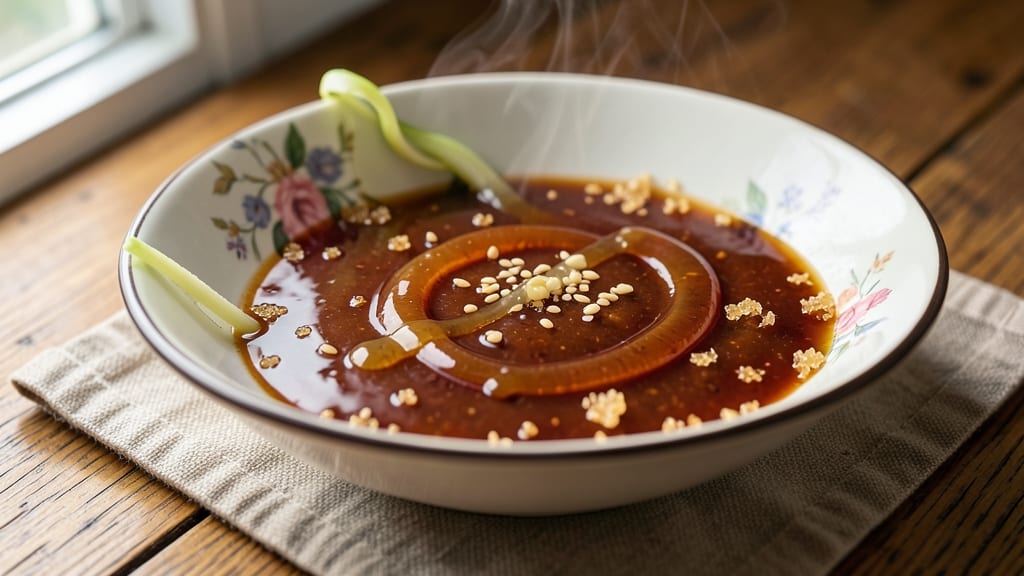
This sweet and sour sauce recipe no pineapple juice delivers a bold, tangy-sweet balance that elevates everything from fried chicken to stir-fries. The secret lies in a precise ratio of vinegar to sugar, with a touch of ginger for depth—no artificial flavors, just bright, umami-rich goodness.
I developed this version after years of testing, ensuring the acidity and sweetness work in perfect harmony without overpowering the dish. The foundation is simple: a mix of rice vinegar and apple cider vinegar for complexity, balanced with brown sugar for caramel notes.
A splash of soy sauce adds that essential umami kick, while fresh ginger and garlic infuse warmth. The sauce thickens beautifully when simmered, creating a glossy finish that clings to every bite. No pineapple means no artificial sweetness—just pure, vibrant flavor. What makes this sauce truly special is its versatility.
Use it as a dipping sauce for spring rolls, a glaze for grilled meats, or a stir-fry companion that cuts through richness. The ginger and vinegar combination ensures it’s never cloying, while the sugar prevents it from being too sharp.
Once you taste this version, store-bought sweet and sour sauce will never measure up. Ready in just 15 minutes, this sauce keeps well in the fridge for up to a week, making it perfect for meal prep. The ingredients are pantry staples, so you’ll never be without it again.
Let’s make it—your taste buds will thank you.
Ingredients for sweet and sour sauce recipe no pineapple juice
Pantry staples plus a few fresh touches—this sauce delivers restaurant-quality flavor.
| Ingredient | Amount | Notes |
|---|---|---|
| Rice Vinegar 🍶 | ½ cup | White or seasoned variety |
| Apple Cider Vinegar 🍶 | ¼ cup | For depth of flavor |
| Light Brown Sugar 🍚 | ½ cup | Packed, not leveled |
| Soy Sauce 🍜 | ¼ cup | Low-sodium preferred |
| Fresh Ginger 🌿 | 2 tbsp | Grated, not powdered |
| Garlic Cloves 🧄 | 4 cloves | Minced, not powdered |
| Cornstarch 🌾 | 1 tbsp | For thickening |
| Cold Water 💧 | 2 tbsp | To make slurry |
| Sesame Oil 🫒 | 1 tbsp | Toasted sesame flavor |
| Salt 🧂 | ½ tsp | Adjust to taste |
The vinegars are the heart of this sauce. Bragg apple cider vinegar adds complexity, while Mae Ploy rice vinegar keeps it bright. Both are easy to find at Walmart or Target, but any quality brand works. The brown sugar should be light—it dissolves better and gives a smoother finish. Fresh ginger and garlic make all the difference, so don't skip them. I always grab ginger from the produce section—it's fresher than the pre-grated tubs. For garlic, peel and mince it yourself—jarred minced has a weird aftertaste.
No rice vinegar? White wine vinegar works in a pinch, but it'll taste slightly different. Swap apple cider vinegar for red wine vinegar if that's what you've got, though the flavor profile shifts. Short on fresh ginger? Powdered ginger at half the amount gets you close, but it lacks that bright zing. The cornstarch slurry is non-negotiable—it's what gives the sauce that glossy, clingy texture. If you don't have sesame oil, toasted sesame seeds sprinkled at the end add a similar nutty note. The soy sauce can be tamari for gluten-free, but keep it low-sodium to avoid over-salting.
This sauce thickens as it cools, so don't stress if it looks runny right after simmering. Store it in a glass jar in the fridge—keeps for up to a week. I double the batch and freeze half in ice cube trays for quick stir-fry boosts later. The flavors actually improve after 24 hours as everything melds. For extra richness, add a splash of chicken or vegetable stock when reheating. Trust me, you'll want to make this weekly.
Why You'll Love This Recipe
- Pantry Magic: I swear by this combo of rice vinegar and apple cider—no extra shopping trips, just what’s already lurking in my cupboard. Honestly, the ginger gives it this bright, zesty kick that cuts through the sweetness like a breeze.
- No-Sweat Balance: Between us, balancing sweet and sour is tricky, but this recipe nails it with just brown sugar and soy sauce. The ginger’s warmth ties it all together—no pineapple needed, no guesswork.
- Weeknight Hero: This sauce is my secret weapon for takeout nights. Toss it with chicken, noodles, or even roasted veggies—it’s the kind of thing that turns a lazy dinner into something that feels special.
- Leftovers That Shine: Make a double batch and store it in the fridge. It keeps for weeks, and every time I pull it out, it’s still vibrant and tangy. My go-to for quick stir-fries or drizzling over eggs—zero waste, all flavor.
Step-by-step instructions for sweet and sour sauce without pineapple
This vibrant sauce delivers perfect balance with tangy vinegars and aromatic ginger—no pineapple needed.
Combine Vinegars and Sugar for the Base
In a medium saucepan, pour in the 0.5 cup rice vinegar and 0.25 cup apple cider vinegar. Add the 0.5 cup light brown sugar and stir over medium heat until the sugar dissolves completely. You'll notice the mixture bubbling gently—this is your signal to keep stirring constantly to prevent scorching.
The combination of these vinegars creates a bright, tangy foundation while the brown sugar adds depth without overpowering sweetness. Let the mixture simmer for 3-4 minutes until it thickens slightly and the aroma becomes rich and inviting. This step builds the sauce's signature balance of sweet and sour.
Add Soy Sauce, Ginger, and Garlic
Lower the heat to medium-low and add the 0.25 cup soy sauce, 2 tablespoons grated fresh ginger, and 4 minced garlic cloves. Stir well to incorporate all ingredients. The sauce will begin to bubble more vigorously as the ginger and garlic release their aromatic oils.
Simmer for 5-6 minutes until the raw garlic smell disappears and the mixture becomes fragrant. Here's where the umami magic happens—the soy sauce deepens the flavor while the ginger and garlic add warmth. Taste occasionally to monitor the balance—you want the sweetness to complement the tang without overpowering it.
Prepare and Add the Cornstarch Slurry
In a small bowl, whisk together the 1 tablespoon cornstarch and 2 tablespoons cold water until completely smooth. This creates your thickening agent. Slowly pour the slurry into the saucepan while stirring continuously with a wooden spoon.
Keep stirring for 1-2 minutes until the sauce begins to thicken noticeably. You'll see it coat the back of a spoon and become glossy. If it thickens too quickly, add 1 tablespoon water to adjust the consistency. The goal is a smooth, velvety texture that clings beautifully to proteins or vegetables.
Finish with Sesame Oil and Salt
Remove the saucepan from heat and stir in the 1 tablespoon sesame oil and 0.5 teaspoon salt. The sesame oil adds a nutty aroma and rich finish, while the salt enhances all the flavors. Give it one final taste and adjust the salt if needed—this is where you can fine-tune the balance to your preference.
Let the sauce sit for 5 minutes at room temperature. This resting period allows all the flavors to meld together perfectly. The sauce should be glossy, well-balanced, and ready to elevate any dish from stir-fries to marinades. Serve warm or at room temperature for the best results.
Pro Tips For Making Sweet And Sour Sauce Recipe No Pineapple Juice
- Simmer Slow and Steady: Don’t rush the vinegar reduction—low heat for 8–10 minutes is where the flavor marries. I used to blast it on high and end up with a sharp, unbalanced sauce. The sugars need time to caramelize just enough to round out the acidity.
- Grate Ginger Fine, Then Toast: Skip the pre-grated jar and zest fresh ginger into a dry pan over medium heat for 30 seconds—it deepens the aroma. (Yes, even if you’re impatient like me.) The toasted bits add a subtle warmth that store-bought ginger can’t match.
- Balance Vinegars First: Taste the raw vinegar mix (rice + apple cider) before adding sugar or soy—adjust the ratio until it’s tangy but not puckery. I learned this the hard way after making a batch that tasted like a science experiment. Aim for 3:1 rice to apple cider.
- Save the Starch for Thickening: Reserve 1 tablespoon of the cooked sauce before adding cornstarch slurry—it’s your insurance for smooth texture. Stir it back in last, or you’ll end up with lumps. (Your future self will thank you.)
Flavor customization for this dish
Spicy Kick Boost
For heat lovers, add 1-2 teaspoons of sriracha or ½ teaspoon of red pepper flakes while simmering the vinegar-sugar base. If you prefer smoky heat, swap in ½ teaspoon of smoked paprika or 1 teaspoon of chili garlic sauce at the end.
I like using El Yucateco hot sauce for a fruity, smoky heat that pairs beautifully with the ginger. Just remember—add heat gradually and taste as you go! 🌶️
Citrus Brightness
Swap ¼ cup orange juice or lemon juice for half of the apple cider vinegar to add a refreshing citrus note. The acidity from the vinegar balances the sweetness, while the citrus brightens the whole sauce.
I find freshly squeezed orange juice works best—it adds a subtle floral quality that store-bought can't match. For extra zing, add 1 teaspoon of orange zest when finishing the sauce.
Umami Depth
Boost the savory profile with 1 tablespoon of fish sauce or 1 teaspoon of oyster sauce (great for seafood dishes). For vegetarian options, add 1 tablespoon of mushroom powder or 2 tablespoons of tomato paste to deepen the flavor.
I often use Red Boat fish sauce—just a splash goes a long way in enhancing the soy sauce's umami punch. The key is balance, so start with small amounts and adjust to taste.
Herbal Infusions
Add 1 tablespoon of fresh cilantro or 1 teaspoon of Thai basil while simmering for a fresh, herbal twist. For a more aromatic touch, steep 1 teaspoon of dried shiso leaves or 1 sprig of fresh mint in the warm sauce before removing it. I love using cilantro in Mexican-inspired dishes—it adds a bright, citrusy note that complements the ginger beautifully. Just
Sweet Variations
For a caramelized depth, replace half the brown sugar with ½ cup of honey or ¼ cup of maple syrup. If you prefer a fruity sweetness, add 2 tablespoons of apricot jam or 1 tablespoon of mango puree to the simmering vinegar base. I find local honey adds a unique floral quality that store-bought sugars can't replicate. The key is to reduce the sugar slightly if using these sweeteners to maintain balance.
Texture Tweaks
For a chunkier texture, stir in 1 tablespoon of finely chopped red onion or 1 teaspoon of minced jalapeño while simmering. If you prefer a smoother sauce, blend in 1 tablespoon of tahini or 1 teaspoon of peanut butter after removing from heat.
I often use tahini for Middle Eastern-inspired dishes—it adds a creamy, nutty richness that pairs perfectly with the tangy-sweet profile. Adjust the cornstarch slurry as needed to maintain your desired consistency.
Nutrition facts
Frequently asked questions
Can I make this sauce without fresh ginger?
Yes, but the flavor will be less vibrant. Use 1 teaspoon of ground ginger instead, though it lacks the bright zing of fresh. For a closer substitute, try 1 tablespoon of ginger juice from a bottle (found in Asian markets) or add ½ teaspoon of ginger powder plus 1 teaspoon of lemon juice to mimic the freshness. The sauce will still taste good, but the depth of flavor will differ.
How do I adjust the sweetness if I prefer it less sugary?
Reduce the brown sugar to ¼ cup and increase the vinegars to 0.75 cup total (split evenly between rice and apple cider). For extra tang, add 1 teaspoon of lemon juice at the end. Taste as you go—you can always add more sugar later if needed, but you can't remove excess sweetness once it's cooked.
Can I use this sauce as a marinade?
This sauce works beautifully as a marinade for chicken, pork, or tofu. For best results, use it on proteins you plan to grill or stir-fry. Marinate for 30-60 minutes (no longer, as the acidity can start breaking down the meat). For extra tenderness, add 1 tablespoon of honey to the marinade. Always discard any unused marinade after contact with raw meat.
Why did my sauce turn cloudy or separate?
This usually happens from one of three issues: under-simmering (the cornstarch didn't fully activate), adding cold ingredients too quickly, or using old vinegar. To fix it, whisk in 1 teaspoon of cornstarch mixed with 1 tablespoon water and simmer for 1-2 minutes until clear. For prevention, always bring the sauce to a full boil when thickening, and add cold ingredients (like sesame oil) off the heat.
What's the best way to store leftovers?
Transfer the sauce to a clean, airtight glass jar and refrigerate for up to 7 days. The flavors actually improve after 24 hours as the ingredients meld. For longer storage, freeze in ice cube trays—thaw overnight in the fridge before using. When reheating, warm gently on low heat, stirring constantly to prevent separation. Never microwave directly from the fridge.