
Sauces & Condiments
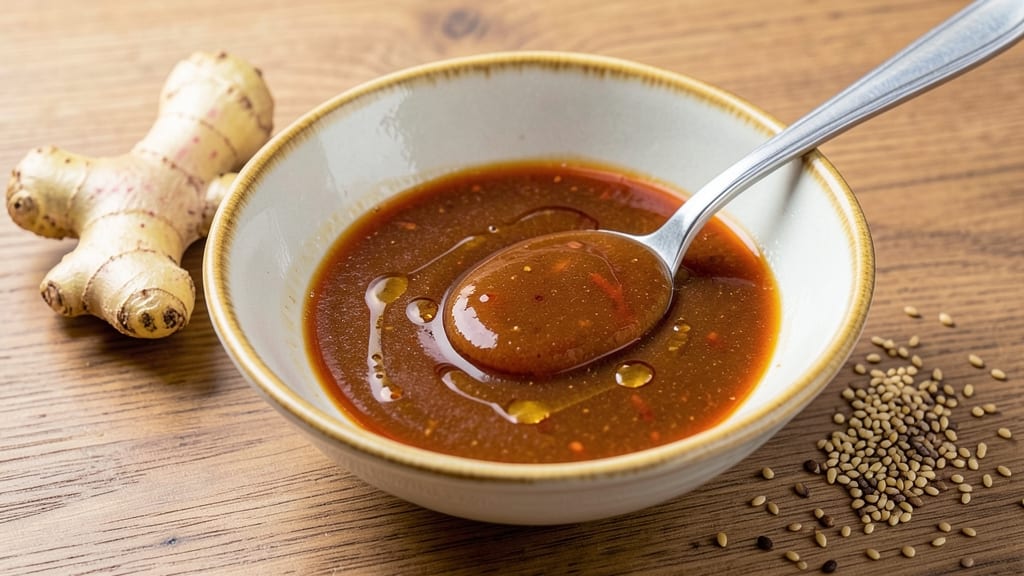
This gluten-free teriyaki sauce recipe with pineapple juice transforms ordinary meals into restaurant-worthy dishes with just a few simple ingredients and a 30-minute simmer. The pineapple juice adds natural sweetness while keeping the sauce ferment-friendly, making it ideal for gut health-conscious eaters.
What sets this apart is the balance of tangy tamari, rich coconut aminos, and the subtle tropical brightness of pineapple—no artificial additives or thickeners needed.
The beauty of this sauce lies in its versatility—use it as a gloss for grilled meats, a marinade for tofu or chicken, or a dipping sauce for fresh spring rolls.
Unlike store-bought versions, this recipe avoids gluten-containing soy sauce by relying on tamari and coconut aminos, ensuring it’s safe for those with sensitivities. The sauce thickens naturally as it reduces, creating that signature glossy finish without the need for cornstarch or flour.
What you’ll end up with is a smooth, slightly sticky sauce with a perfect balance of sweet, salty, and umami flavors. The pineapple juice prevents crystallization (a common issue with homemade teriyaki) while adding a refreshing depth.
Best of all, it keeps well in the fridge for up to 2 weeks, so you can make a big batch and use it all week.
Whether you’re prepping for meal prep or craving an instant flavor boost, this sauce delivers restaurant-quality results with minimal effort. Here’s how to make it—simple, foolproof, and packed with flavor.
Ingredients for gluten free teriyaki sauce recipe with pineapple juice
Nine ingredients blend into a restaurant-quality teriyaki sauce—gluten-free, ferment-friendly, and packed with tropical brightness.
| Ingredient | Amount | Notes |
|---|---|---|
| Tamari Gluten-Free Soy Sauce 🍶 | ½ cup | High-quality tamari for umami depth |
| Coconut Aminos 🥥 | ½ cup | Rich fermented alternative to soy sauce |
| Pineapple Juice 🍍 | ½ cup | Freshly squeezed for natural sweetness |
| Rice Vinegar 🍶 | ¼ cup | White or seasoned for tangy balance |
| Sesame Oil 🌿 | 1 tbsp | Toasted for aromatic richness |
| Fresh Ginger 🧄 | 1 tbsp | Grated, for zesty complexity |
| Garlic Cloves 🧄 | 3 cloves | Minced for aromatic depth |
| Honey 🍯 | 2 tbsp | Raw for natural sweetness |
| Arrowroot Powder 🌾 | 1 tsp | Gluten-free thickener |
| Red Pepper Flakes 🌶️ | ½ tsp | Adjust for heat preference |
The tamari and coconut aminos form the sauce's umami backbone—look for certified gluten-free labels if sensitive. San-J brand tamari is my go-to for its deep flavor, while Coconut Secret coconut aminos is a great budget-friendly alternative. Fresh pineapple juice is non-negotiable for that tropical tang; canned juice works in a pinch but lacks freshness. The ginger and garlic should be organic when possible—their freshness directly impacts flavor. For sesame oil, Kadoya brand delivers that nutty aroma without bitterness, but any toasted sesame oil will work.
No tamari? Coconut aminos alone work, though flavor will be slightly lighter. Substitute rice vinegar with apple cider vinegar (use one-third more for tang). Fresh ginger and garlic can be swapped for powdered versions at half the amount, though texture suffers. Honey can be replaced with maple syrup or agave nectar—just reduce other liquids by 1 tbsp to maintain balance. For heat, gochugaru or cayenne work equally well. The arrowroot powder is critical for natural thickening; cornstarch is a direct substitute but lacks the ferment-friendly properties.
This sauce thickens as it reduces, so simmer uncovered for that glossy finish. Store in a glass jar with a tight seal in the fridge for up to 2 weeks. For longer storage, freeze in ice cube trays—perfect for portion control. Reheat gently on low heat, adding 1 tsp water if it thickens too much. The pineapple juice prevents crystallization, so you won’t encounter that grainy texture common in homemade sauces. Double the batch—it disappears faster than you’d think.
Why You'll Love This Recipe
- Pantry Magic: I swear by this sauce because it uses stuff I already have—no special trips to the store. Tamari and coconut aminos blend seamlessly with pineapple juice (that tangy sweetness cuts through everything), and the sesame oil adds depth with just a drizzle. Honestly, I’ve made it three times this week and never once reached for store-bought.
- Sweet-Savory Balance: The pineapple juice isn’t just for flavor—it’s the secret weapon. It softens the saltiness of the tamari while keeping it bright, and that little hit of rice vinegar? Chef’s kiss. It’s rich but never cloying, and the sesame oil gives it this warm, nutty finish that makes it taste like a restaurant dish, not a quick weeknight hack.
- Gluten-Free Crowd Pleaser: Between us, gluten-free meals often feel like an afterthought. Not this one. It’s the go-to for my gluten-sensitive friends, my kid’s soccer team snacks, and even my partner’s work potlucks—no one skips seconds. The tamari and coconut aminos make it safe for everyone, but the flavor? Universally loved.
- Make-Ahead Gold: I double the batch every Sunday because it lasts forever in the fridge. Use it on grilled chicken, stir-fry veggies, or even drizzle it over rice bowls all week. (Yes, even on a Tuesday night.) The pineapple juice actually improves with a day or two—it mellows into something deeper, and the sesame oil doesn’t separate if you shake it before using. Minimal effort, maximum payoff.
Step-by-step instructions for gluten-free teriyaki sauce
This method delivers a perfectly balanced sauce with vibrant sweetness and fermented depth.
Combine Wet Ingredients for Flavor Foundation
In a medium saucepan, whisk together the 0.5 cup tamari gluten-free soy sauce and 0.5 cup coconut aminos until fully blended. Add the 0.5 cup pineapple juice and 0.25 cup rice vinegar, stirring well to incorporate. This combination creates the umami backbone while balancing the sauce's acidity and natural sweetness.
Place the saucepan over medium heat and bring to a gentle simmer. You'll notice small bubbles forming at the edges—this is your signal that the liquid is ready for the next phase. Keep the heat at a steady simmer rather than a rolling boil to prevent the pineapple juice from breaking down too quickly and losing its freshness.
Infuse Aromatics and Sweeten
Add the 1 tbsp sesame oil, 1 tbsp freshly grated ginger, and 3 minced garlic cloves to the simmering mixture. Stir constantly for 2-3 minutes until the aromatics are fragrant and the ginger begins to soften slightly. The garlic should be just cooked enough to release its sweet, mellow notes without turning bitter.
Next, pour in the 2 tbsp honey and 0.5 tsp red pepper flakes, stirring vigorously to distribute evenly. The sauce should begin to take on a glossy appearance as the honey dissolves. Taste at this stage—the balance should be sweet, tangy, and slightly spicy with a developing umami depth from the fermented ingredients.
Thicken to Perfect Consistency
In a small bowl, whisk 1 tsp arrowroot powder with 2 tablespoons of cold water until smooth. This creates a slurry that will thicken the sauce without altering its flavor profile. Gradually pour the slurry into the saucepan while stirring continuously with a wooden spoon.
Continue simmering for 3-5 minutes until the sauce reaches your desired consistency—it should coat the back of a spoon but remain pourable enough to glaze meats or noodles. The sauce is ready when it forms a thin, even film on the surface of the pan. This thickening step ensures the sauce clings beautifully to your dishes without being overly syrupy.
Cool and Adjust for Optimal Use
Remove the saucepan from heat and let the sauce cool to room temperature. This cooling period allows the flavors to meld completely and gives you time to make any final adjustments. If the sauce is too thick after cooling, thin it with 1-2 teaspoons of hot water. For extra brightness, you can add a splash of fresh pineapple juice or a pinch more red pepper flakes.
The finished sauce should have a glossy sheen and a balanced flavor profile where all components—sweet, tangy, umami, and spicy—are harmoniously present. Store in an airtight container in the refrigerator for up to 1 week, or freeze for up to 3 months. This versatile sauce works beautifully as a marinade, glaze, or dipping sauce for your favorite gluten-free dishes.
Pro Tips For Making Gluten Free Teriyaki Sauce Recipe With Pineapple Juice
- Simmer Slow and Steady: I learned this the hard way—rushing the sauce on high heat turns it bitter. Keep it at a gentle simmer (small bubbles, occasional swirls) for 10-15 minutes. The pineapple juice needs time to mellow out its sharpness, and tamari’s depth only shines when it’s not fighting for attention.
- Strain the Pineapple Juice: Fresh pineapple juice is great, but if you’re using bottled, strain it first—especially if it’s chunky. Tiny fibers clog your sauce and make it look unappealing. A fine-mesh sieve takes 30 seconds and keeps the sauce silky smooth. (Yes, even if you’re impatient like me.)
- Balance the Vinegar Last: Add the rice vinegar after the sauce has reduced by half. This keeps the bright acidity from evaporating too soon and lets it cut through the richness of the tamari and coconut aminos. Taste as you go—you can always add more, but you can’t take it out.
- Toast the Sesame Oil Separately: Don’t toss sesame oil into the simmering sauce—it burns faster than you’d think. Warm it in a small pan over low heat for 30 seconds until fragrant, then whisk it in at the very end. This preserves its nutty aroma and prevents that acrid, overcooked oil flavor. (Your nose will thank you.)
Flavor customization for these flavors
Sweetness Variations
For a more tropical twist, add 2 tbsp of fresh pineapple juice after simmering and adjust honey to 1 tbsp to balance the extra sweetness. If you prefer less sweetness, reduce honey to 1 tbsp and add 1 extra tbsp of rice vinegar for tang.
For a caramelized depth, swap honey for 2 tbsp of maple syrup and simmer 5 extra minutes to intensify the flavor. 🍍
Spice Level Control
Start with ½ tsp red pepper flakes for a mild heat—perfect for families. For medium heat, increase to 1 tsp and add ¼ tsp of cayenne pepper for a smoky kick.
If you love spicy, use 1½ tsp red pepper flakes and a pinch of gochugaru for a Korean-inspired depth. Always taste before thickening to avoid overpowering the sauce.
Umami Boosters
Enhance the fermented depth by adding 1 tsp of miso paste (white or red) during the final 3 minutes of simmering. For a nutty richness, stir in 1 tsp of toasted sesame seeds at the end.
If you’re using tofu or mushrooms, add ½ tsp of mushroom powder to complement their earthy notes. These tweaks elevate the sauce’s complexity without altering its gluten-free integrity.
Tropical Fruit Infusions
Swap pineapple juice for mango purée (same amount) for a sweeter, creamier sauce. For a citrusy brightness, replace ¼ cup of pineapple juice with orange juice and add 1 tsp of grated orange zest.
If you love tartness, blend in 2 tbsp of lime juice and reduce honey to 1 tbsp. Each fruit brings a unique twist while keeping the sauce ferment-friendly. ✨
Herb & Aromatic Adjustments
Add 1 tsp of fresh basil or cilantro (chopped) during the last 2 minutes of simmering for a fresh herbal note. For a garlicky punch, increase garlic to 4 cloves and add ½ tsp of garlic powder.
If you prefer ginger-forward flavor, double the grated ginger to 2 tbsp and reduce honey slightly to balance. These herbs and aromatics customize the sauce to match your favorite dishes.
Storage & Flavor Preservation
To preserve freshness, store the sauce in a glass jar with a parchment-lined lid to prevent oxidation. For longer shelf life, freeze in ice cube trays and transfer to a bag—thaw overnight in the fridge.
If the sauce thickens after reheating, thin with 1 tsp of pineapple juice or water. Avoid adding extra liquid before storing, as it dilutes the concentrated flavors. 💫
Nutrition facts
Frequently asked questions
Can I substitute coconut aminos with regular soy sauce?
No, regular soy sauce contains gluten and will compromise the gluten-free integrity of your sauce. Coconut aminos are the best 1:1 substitute—they provide the same umami depth without gluten. If you can't find coconut aminos, tamari is your next best option. Both are fermented alternatives that maintain the sauce's rich flavor profile.
Why does my sauce turn grainy after simmering?
Graininess often happens when the pineapple juice breaks down too much or when the sauce reduces too quickly. To prevent this, simmer at a gentle heat (not a rolling boil) and add the arrowroot slurry gradually. If it happens, whisk in 1 teaspoon of cold water or a splash of fresh pineapple juice to restore smoothness. The pineapple juice in this recipe actually helps prevent crystallization compared to traditional teriyaki recipes.
How can I use this sauce beyond glazing meats?
This versatile sauce works beautifully as a marinade for chicken, tofu, or shrimp (use ½ cup sauce per pound of protein for 30-60 minutes before cooking). It also makes an excellent dipping sauce for spring rolls, dumplings, or gluten-free noodles. For extra richness, stir in 1 teaspoon of toasted sesame seeds or a drizzle of sesame oil before serving. The pineapple juice adds a refreshing contrast to savory dishes.
Can I make this sauce without honey?
Yes! For a vegan version, substitute honey with 2 tablespoons of maple syrup or agave nectar. Reduce other liquids by 1 tablespoon to maintain balance. If you prefer a lower-glycemic option, use 1 tablespoon of coconut sugar and add ½ teaspoon of vanilla extract for depth. The sauce will still achieve the same glossy finish, just with different sweetness characteristics.
How do I adjust the thickness for different uses?
For a thinner sauce (ideal for dipping or drizzling), reduce the arrowroot to ½ teaspoon and simmer for only 2 minutes after adding it. For a thicker glaze (perfect for meats), use the full 1 teaspoon arrowroot and simmer for 4-5 minutes. If it thickens too much after cooling, thin with 1 teaspoon of pineapple juice or water. Always taste before adjusting!